
Free written scope consultation - allowances, timeline, and change-order rules on paper before a single trade is scheduled
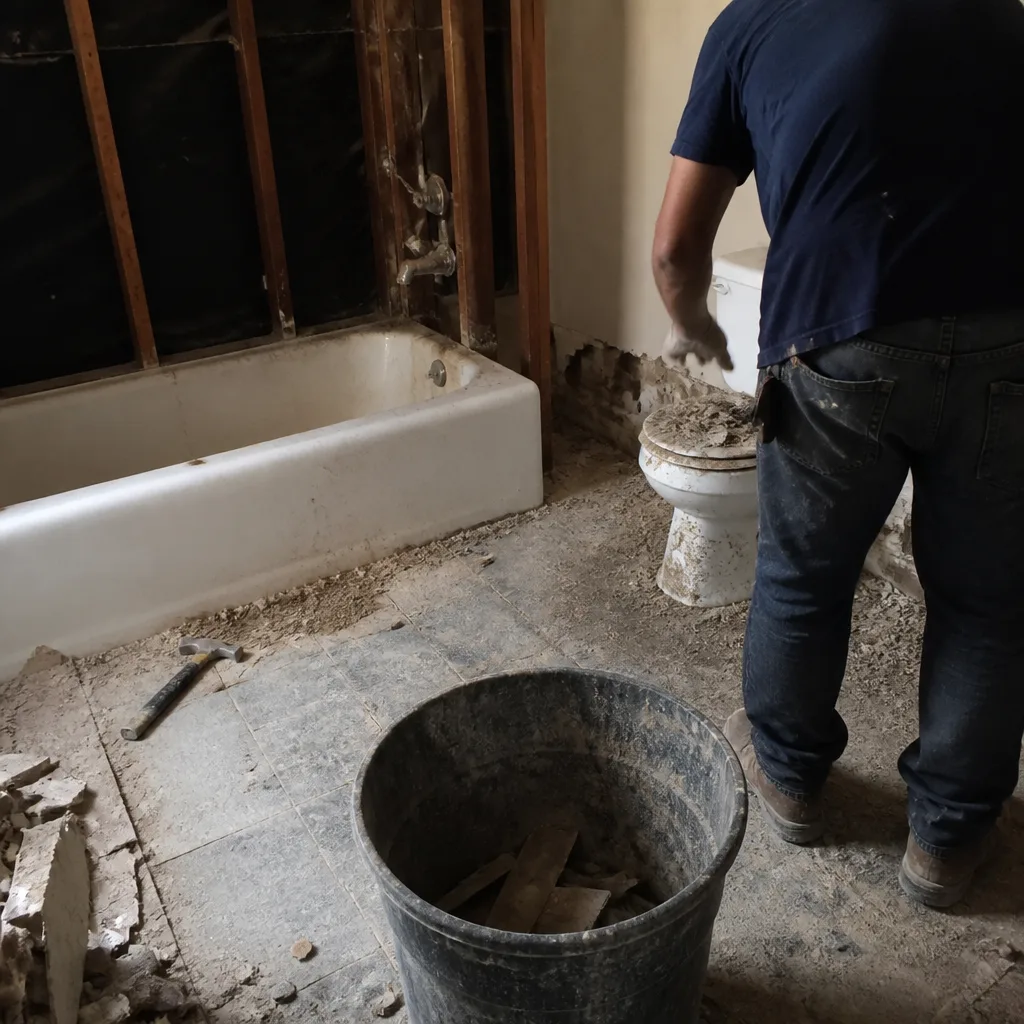 Before
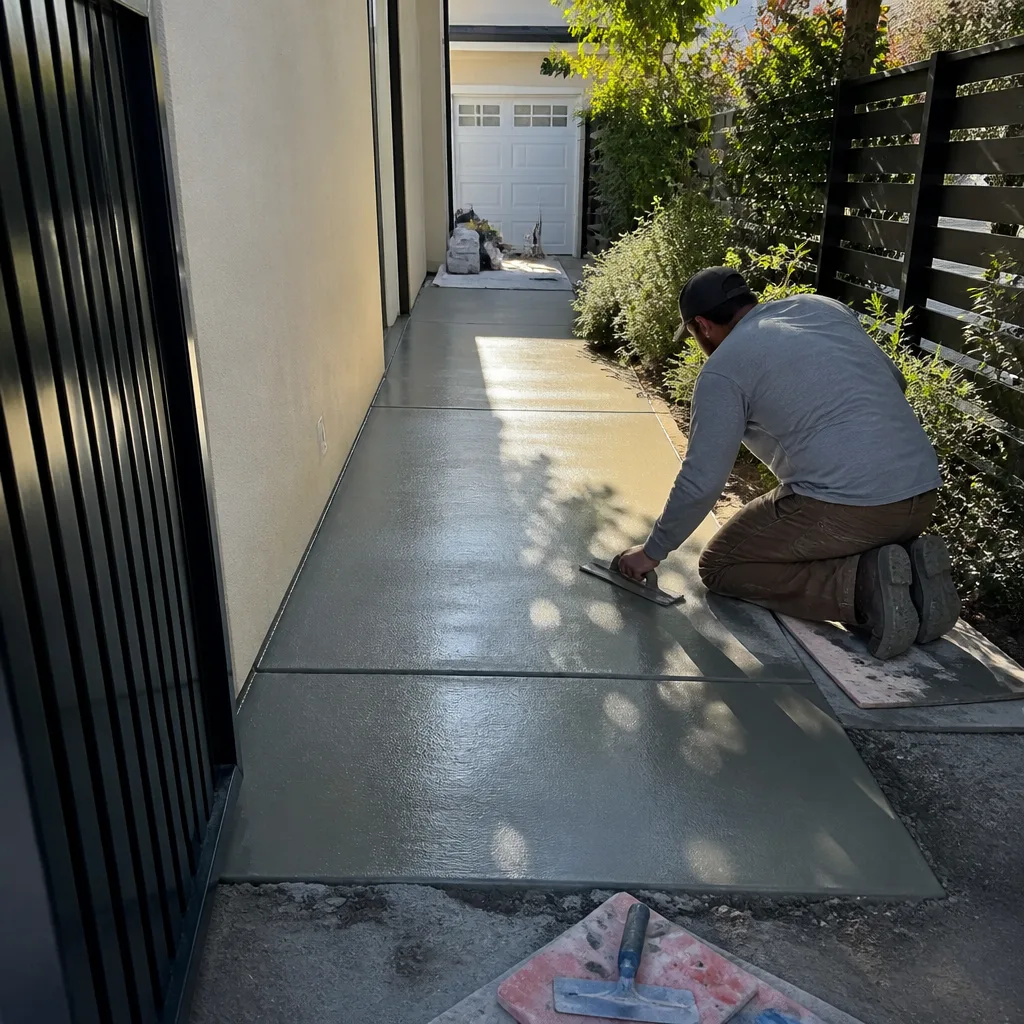 After
After Before
 After
After Before
 After
AfterHow Much Does Glass Railing Installation Cost in Sherman Oaks?
Glass railing installation in Sherman Oaks, CA typically costs between $180 and $400 per linear foot, installed, with most residential projects landing somewhere in the $4,500 to $18,000 range depending on linear footage, glass type, and post system. A standard second-story deck railing on a Sherman Oaks hillside home runs roughly $6,000 to $12,000 for 30 to 40 linear feet. The written price from Rowan Construction Group covers all labor, hardware, and permitting coordination before anyone picks up a tool.
For a full overview of what the installation process looks like from site visit to sign-off, see our Glass Railing Installation in Sherman Oaks service page. Or jump straight to the cost breakdown below.
Glass Railing Installation Cost Breakdown (2026)
Glass railing is priced by the linear foot, but the per-foot rate shifts considerably based on the framing system, glass specification, and site conditions. A Sherman Oaks home with a steep rear yard drop or a concrete deck substrate will price differently than a flat interior staircase. The table below reflects what Rowan Construction Group sees in the local market as of 2026.
| System Type | Price Per Linear Foot (Installed) | Typical Project Total |
|---|---|---|
| Aluminum post with tempered glass panels | $180 - $240 | $4,500 - $9,600 |
| Stainless steel post with tempered glass | $220 - $310 | $6,600 - $12,400 |
| Frameless standoff / spigot system | $280 - $360 | $8,400 - $14,400 |
| Channel-base (no-post) frameless | $300 - $400 | $9,000 - $18,000 |
| Interior staircase glass railing | $250 - $380 | $5,000 - $11,400 |
| Custom curved or radius panels | $380 - $550+ | $11,400 - $22,000+ |
What These Line Items Include
- Glass panels: Typically 3/8-inch or 1/2-inch tempered safety glass. Some Sherman Oaks projects near Ventura Boulevard’s commercial corridor spec laminated glass for added sound attenuation.
- Post or channel hardware: Brushed stainless, matte black powder-coat, or satin aluminum are the most common finishes requested locally.
- Substrate attachment: Core drilling into concrete decks, blocking into wood framing, or surface-mount base plates. Substrate condition at the time of installation is photographed and documented.
- Labor: Two-person crew, typically one to two days for a standard residential run.
- Permitting coordination: Los Angeles County permits are required for guard railings in most Sherman Oaks residential applications. Rowan handles the paperwork; the permit fee itself (usually $200 to $600) is a pass-through line item on the written quote.
What Is Not Included (and Why It Matters)
The ranges above assume the substrate is in good condition. If a deck needs structural reinforcement before posts can be set, or if a staircase’s rough framing has shifted – common in Sherman Oaks homes built in the 1960s and 1970s that have experienced decades of seismic micro-movement – that work is scoped and priced separately before it starts. Under Clause 1 of the Haven Standard, no number changes after the written quote unless you’ve signed a change order first. That discipline is the reason Rowan’s projects finish within a few percent of the agreed cost across 4,000-plus jobs.
What Affects Glass Railing Installation Pricing in Sherman Oaks
Six variables move the price more than anything else on a typical Sherman Oaks project. Understanding them helps you read a quote critically – and helps you ask the right questions when you call for an estimate.
- Linear footage: More footage means lower per-foot cost because hardware and mobilization are spread over more panels. A 20-foot staircase run will cost more per foot than a 60-foot deck perimeter.
- Glass specification: Standard 3/8-inch tempered glass is the baseline. Stepping up to 1/2-inch tempered adds roughly $15 to $30 per linear foot. Laminated glass – two plies bonded with an interlayer, which holds together on impact – adds $25 to $50 per foot and is sometimes required by the city plan check for guard applications above a certain height.
- Post system and finish: A surface-mount aluminum post with clear anodized finish is the most affordable framing option. Frameless standoff spigots machined from 316 marine-grade stainless carry a significant premium but read nearly invisible from the street – a common priority in the hillside neighborhoods above Mulholland Drive near Sherman Oaks.
- Site access and substrate: Sherman Oaks hillside properties with steep rear yards often require equipment staging on difficult slopes and longer anchor bolts to reach solid concrete or treated lumber. That adds one to three hours of labor per crew member, which shows up in the quote.
- Local permitting requirements: The City of Los Angeles (which governs most of Sherman Oaks) requires a building permit for guard railings in most configurations. Plan check can add two to four weeks to a project timeline and a few hundred dollars to the cost. Projects in the smaller unincorporated pockets near the Ventura County line may fall under different jurisdiction – Rowan confirms the applicable authority having jurisdiction (AHJ) before the quote is finalized.
- Existing railing removal: Removing a wood or wrought-iron railing before glass installation adds $200 to $800 depending on attachment type and footage. If the old railing is anchored in concrete with lead anchors, expect the upper end of that range.
 Before
 After
AfterSherman Oaks-Specific Considerations
Sherman Oaks is not a generic suburban market. About a third of the residential glass railing jobs Rowan sees here are on hillside properties – Longridge Estates, the streets above Beverly Glen, the canyon-edge homes near Woodman Avenue. Those sites have two recurring cost drivers that flat-lot jobs don’t: substrate variability and wind-load engineering.
California Building Code Section 1607.8 sets the minimum lateral load for guardrails at 42 inches of height, but engineered glass systems on exposed hillside sites sometimes require a licensed structural engineer’s stamp confirming the post spacing and anchor specification. That engineering letter typically costs $400 to $900 and is a permit requirement, not an optional upgrade. Rowan includes coordination with the structural engineer in the project scope when the site warrants it; the fee appears as a transparent line item in the written quote.
Valley floor properties in Sherman Oaks, particularly the flatter stretches south of Ventura Boulevard, tend to be simpler jobs: concrete patio slabs in good condition, standard wind exposure, and clear permit authority. Those projects more reliably hit the lower end of the per-foot ranges in the table above.
One more local note: Sherman Oaks gets warm, dry summers and periodic Santa Ana conditions. Powder-coat finishes on aluminum posts can fade faster in this climate than in coastal markets. Several of our clients in the Kester Avenue and Riverside Drive neighborhoods have specified matte black powder-coat with a UV-resistant topcoat, which adds about $8 to $15 per linear foot but holds color measurably better over five to ten years.
How to Save on Glass Railing Installation
Glass railing is not a place to cut corners on materials – a failed post anchor or an under-specified glass panel on a second-story deck is a safety failure, not just a cosmetic one. But there are legitimate ways to manage the budget without compromising the system.
Choose the Right System for the Application
A frameless spigot system is visually striking, but if your deck is surrounded by mature landscaping and not highly visible from the street, a post-and-panel system in a clean brushed aluminum finish achieves 90% of the aesthetic at 70% of the cost. Grant Rowan will show you both options with photos from comparable Sherman Oaks projects during the estimate visit – no pressure in either direction, just the numbers side by side.
Batch Related Work
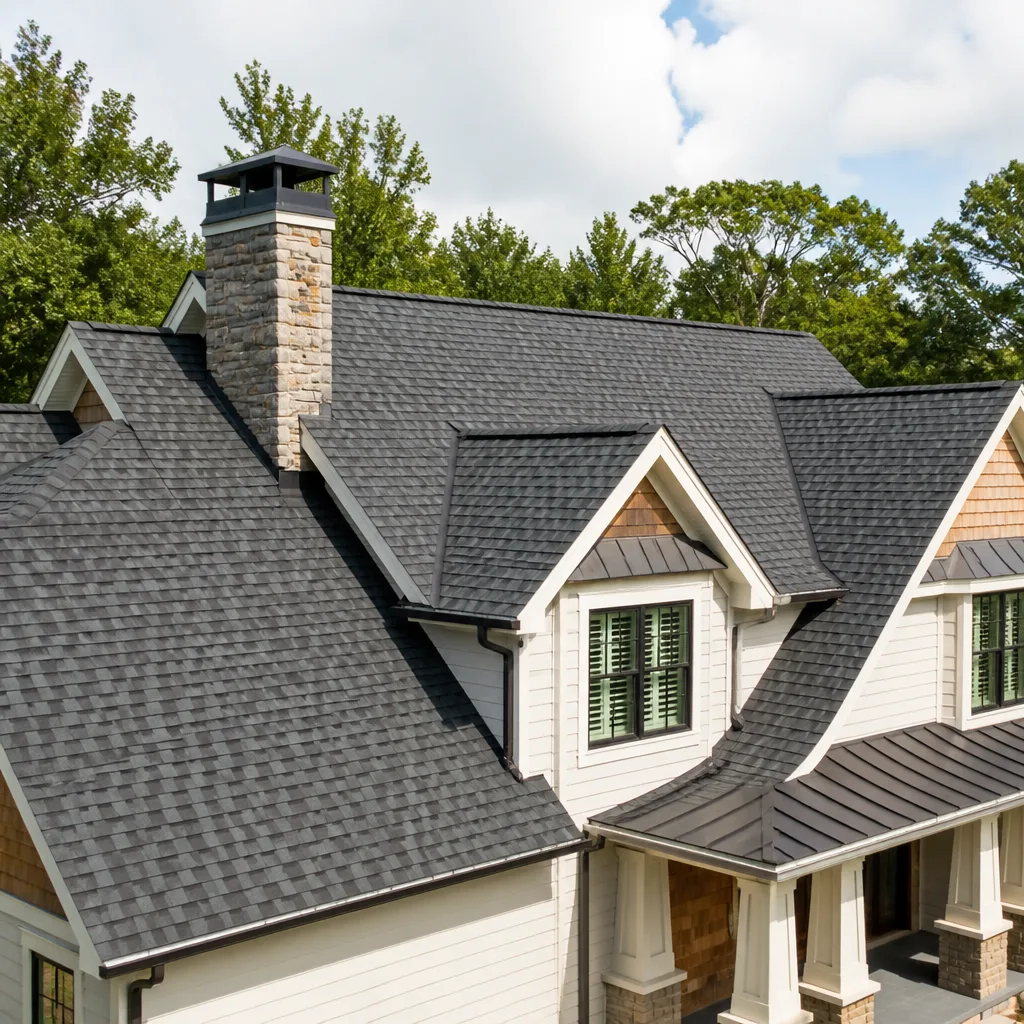
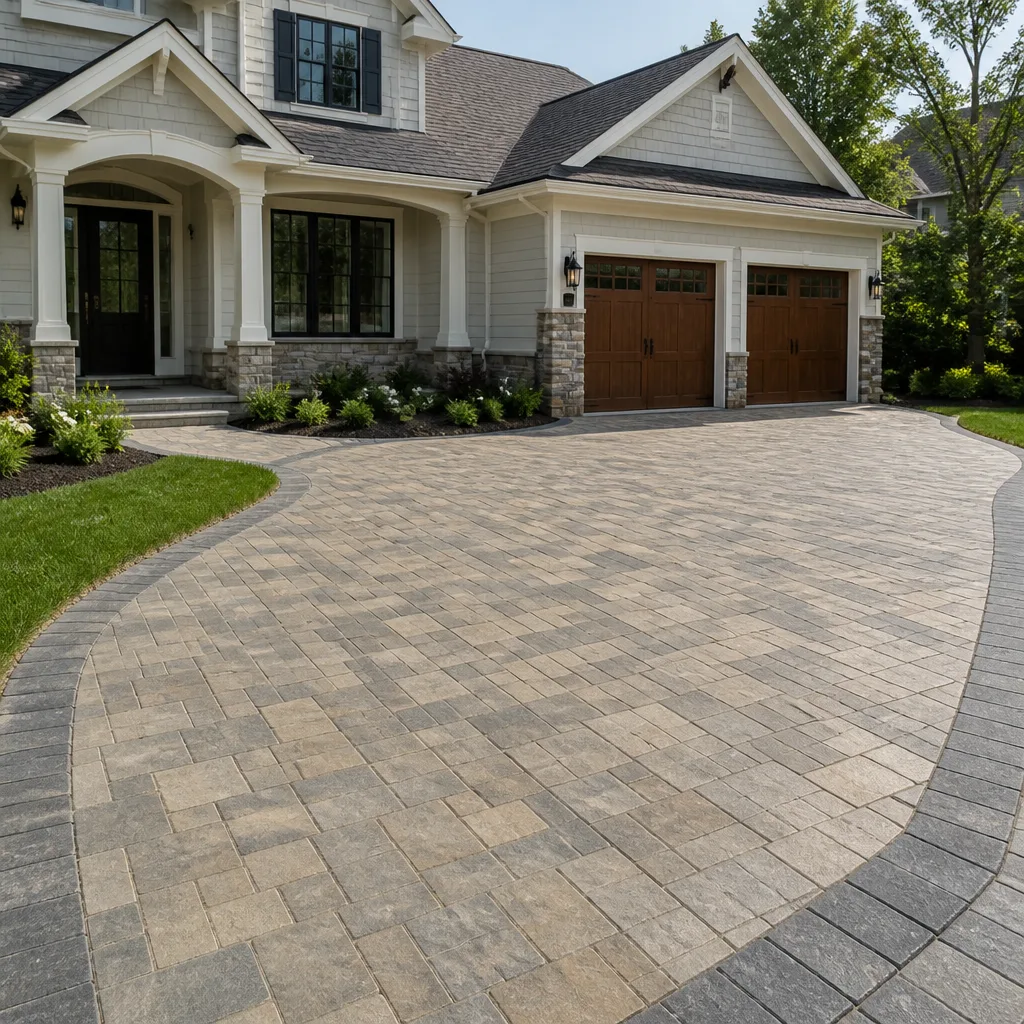
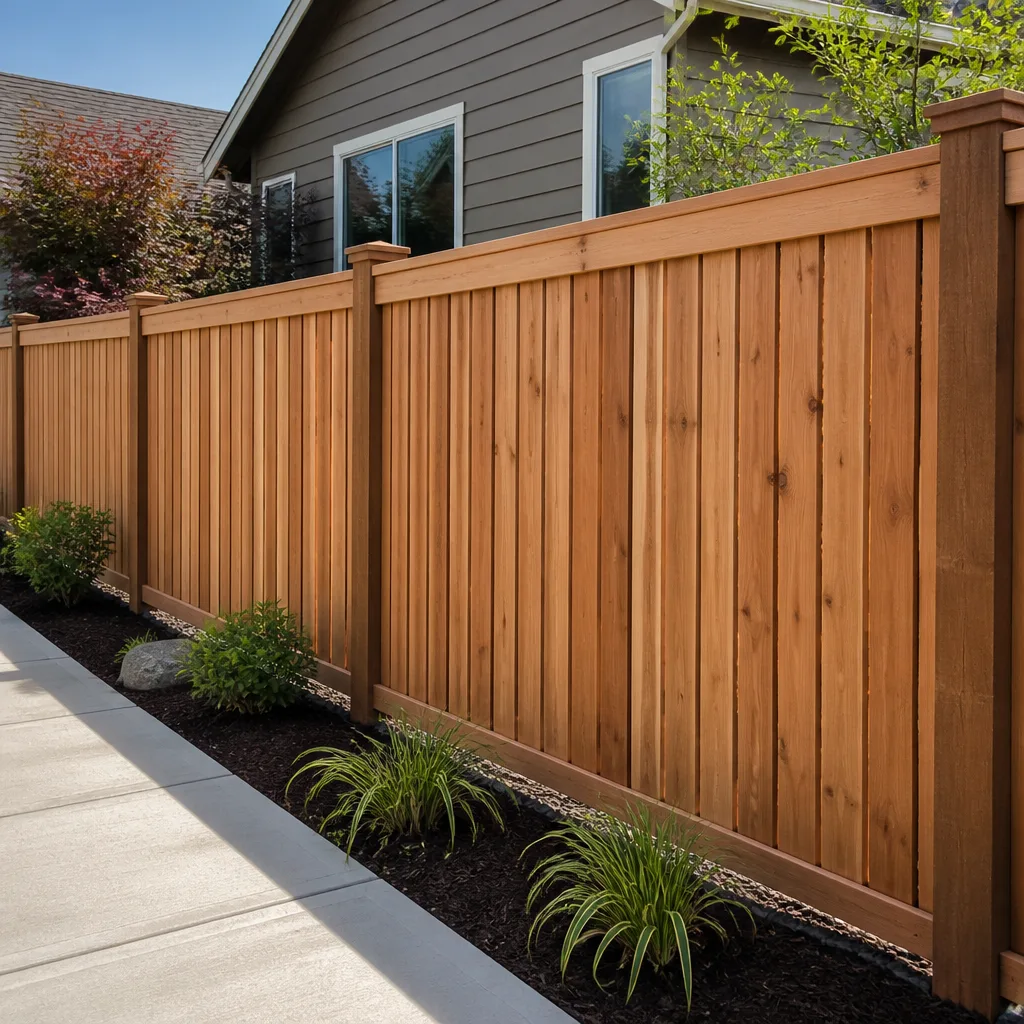
If you’re planning a deck resurfacing or a fence line replacement within the next 12 months, doing the glass railing at the same time eliminates a second mobilization cost. Rowan handles fence installation, paver work, and home additions in addition to glass railing, and a combined scope often prices more favorably than two separate contracts. The written scope covers exactly which work belongs to which trade, so there’s no ambiguity about what each crew is responsible for.
Pull Permits Correctly the First Time
Unpermitted railing work in Sherman Oaks creates problems at the point of home sale – disclosure obligations, lender pushback, and sometimes a retroactive inspection that requires the railing to be removed and reinstalled to current code. Paying $300 to $600 in permit fees upfront is cheaper than a $3,000 to $8,000 remediation at escrow. Rowan handles the Los Angeles DBS permit process as part of the standard scope; it is not an optional add-on.
Get the Substrate Assessment First
Before finalizing a glass railing budget, it’s worth knowing what the substrate looks like beneath the surface finish. On Sherman Oaks wood-framed decks built before 1990, we regularly find ledger board rot or undersized blocking that needs to be addressed before post anchors can be set. Catching this during the estimate visit – rather than mid-installation – keeps the project on budget. The documented photo record Rowan provides covers what was found at substrate inspection, so you have a clear picture before any work begins.
Request a Free Second Opinion on Any Written Quote
If you already have a written estimate from another contractor, Rowan will review it line by line at no charge. Bring the quote to the estimate visit and Grant Rowan will walk through the scope, confirm whether the specified glass meets California Building Code for the application, and identify any items that seem mispriced or missing. Call (213) 221-0788 to schedule.
FAQs – Glass Railing Installation Cost
How much does glass railing installation cost in Sherman Oaks in 2026?
Glass railing installation in Sherman Oaks costs between $180 and $400 per linear foot installed, with most residential projects totaling $4,500 to $18,000. The low end reflects a straightforward aluminum post-and-panel system on a level valley-floor deck; the high end reflects a frameless channel-base system on a hillside site requiring engineering review. Call (213) 221-0788 for a written price before any work starts – estimates are free and cover the full scope.
Is a permit required for glass railing in Sherman Oaks?
Yes. The City of Los Angeles requires a building permit for guard railings in almost all residential applications in Sherman Oaks, including deck, balcony, and staircase railings. The permit fee typically runs $200 to $600, depending on the scope submitted to the Los Angeles Department of Building and Safety. Rowan handles the permit application and coordinates any plan check responses; the fee appears as a transparent line item in the written quote rather than appearing as a surprise after the contract is signed.
How long does glass railing installation take in Sherman Oaks?
A standard 30- to 50-linear-foot residential installation takes one to two days on-site once permits are in hand. The permit process with Los Angeles DBS adds two to four weeks to the overall project timeline. For larger projects – 80-plus linear feet, multiple levels, or hillside sites requiring structural engineering – plan for a three- to four-week timeline from signed contract to final inspection.
What is the difference between frameless and semi-frameless glass railing, and does it affect cost?
Semi-frameless systems use metal posts at regular intervals (typically 4 to 6 feet apart) to support the glass panels. Frameless systems use either surface-mount spigots or a continuous base channel, with no vertical posts interrupting the glass line. The visual difference is significant – frameless reads as nearly invisible from a distance. The cost difference is also significant: semi-frameless typically runs $180 to $240 per linear foot in Sherman Oaks, while frameless systems run $280 to $400 per linear foot. Both meet California Building Code when installed correctly; the choice is primarily aesthetic and budgetary.
Can glass railing be installed on an existing concrete deck in Sherman Oaks?
Yes, and it’s one of the most common configurations we see in Sherman Oaks. Post anchors are core-drilled into the slab and set with high-strength epoxy; channel-base systems use a continuous aluminum track bonded and mechanically fastened to the deck surface. The critical variable is slab thickness and condition – a slab less than 3.5 inches thick or one with significant cracking may need reinforcement before anchors can be set to code. Rowan assesses substrate condition during the estimate visit and photographs what we find, so the written price accounts for actual site conditions rather than assumed ones. Call (213) 221-0788 to schedule a free on-site assessment.
Is tempered glass or laminated glass better for a Sherman Oaks deck railing?
Tempered glass – heat-treated to shatter into small blunt fragments rather than sharp shards – is the code-minimum safety glazing for most railing applications and accounts for the majority of residential installations in Sherman Oaks. Laminated glass adds a polyvinyl butyral interlayer that holds the panel together on impact, which means it stays in place rather than falling away even if the glass breaks. Los Angeles Building Code sometimes requires laminated glass for guard applications above 10 feet or in certain commercial-adjacent contexts. For hillside homes where the railing is the only barrier between a deck and a significant drop, laminated glass is worth the additional $25 to $50 per linear foot. Grant Rowan will confirm which specification is required by permit and which is recommended for the specific site conditions before the quote is finalized.
Key Takeaways
- Glass railing in Sherman Oaks runs $180 to $400 per linear foot installed, with most projects totaling $4,500 to $18,000.
- Frameless systems cost more than post-and-panel systems; hillside sites with engineering requirements cost more than flat valley-floor sites.
- Los Angeles permits are required for nearly all residential guard railing applications in Sherman Oaks; permit fees run $200 to $600.
- Substrate condition – slab thickness, framing integrity, existing anchor points – is the most common source of budget surprises and should be assessed before the quote is signed.
- Under the Haven Standard, the written price does not change after it’s issued unless you sign a change order authorizing the change.
- The 365-Day Done Right Promise covers workmanship; if it’s not right, Rowan makes it right, backed by written terms.
- A free second opinion on any written estimate is available – bring a competitor’s quote to the estimate visit.
Get a Written Price Before Anything Starts
If you’re planning a glass railing project in Sherman Oaks – whether it’s a hillside deck in Longridge Estates, a staircase inside a Valley floor home, or a pool-perimeter barrier near Kester Park – the first step is a written number, not a ballpark guess. Grant Rowan visits the site, assesses the substrate, confirms the applicable permit requirements, and delivers a flat written price with a full scope before any work begins. The estimate is free. The price doesn’t change without your signature on a change order first.
Call Rowan Construction Group Sherman Oaks at (213) 221-0788 to schedule your free on-site estimate. A live person answers – no voicemail, no callback queue.
Written by Grant Rowan, Owner at Rowan Construction Group, serving Sherman Oaks since 2007.
Pricing reflects the Sherman Oaks market as of 2026. Rowan Construction Group Sherman Oaks offers free estimates – call (213) 221-0788.
What Our Customers Say
"Final invoice was within two percent of the contract. Every change was priced and signed before anyone picked up a tool."
- Malcolm T."Talked us out of the larger scope we came in asking for, because it would not have added the value we thought."
- Emil R."Solid work, decent crew, and the site was left tidy every evening."
- Pearl A.