
Free written scope consultation - allowances, timeline, and change-order rules on paper before a single trade is scheduled
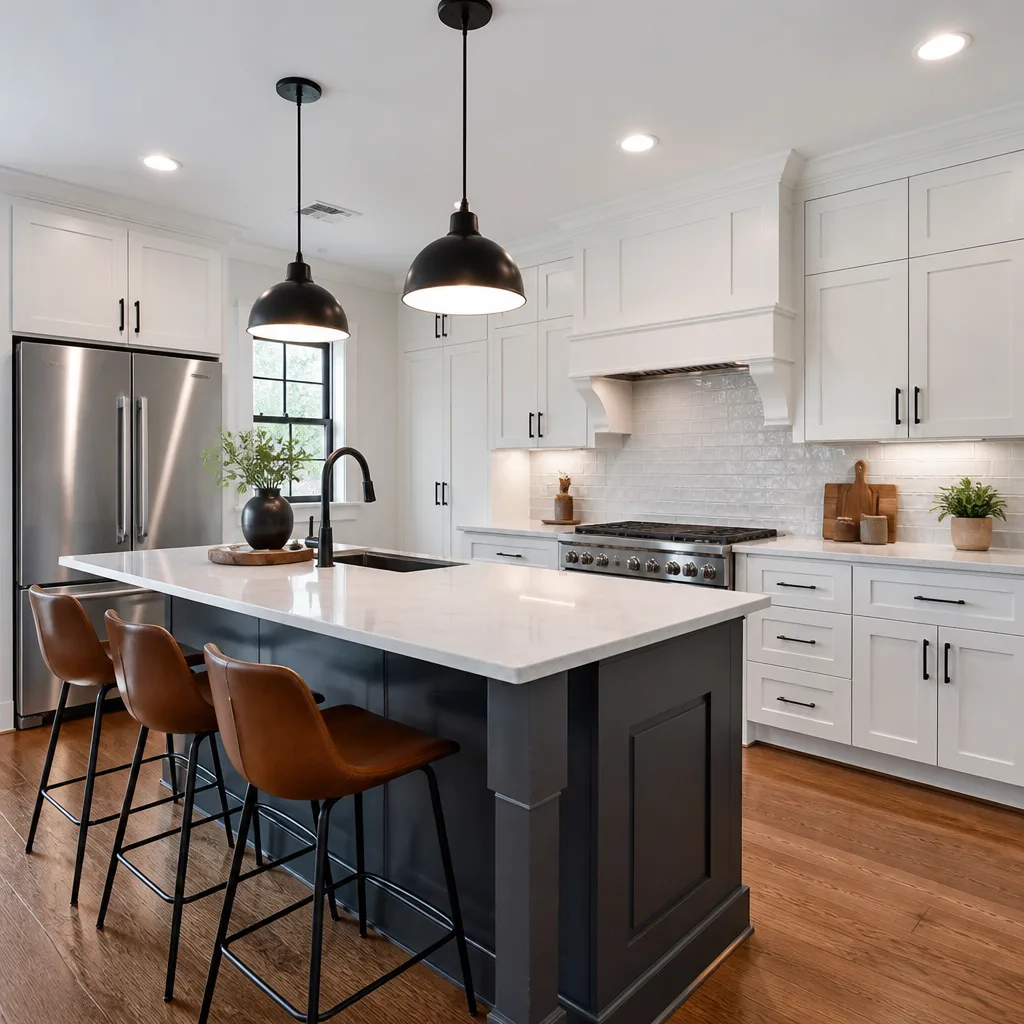
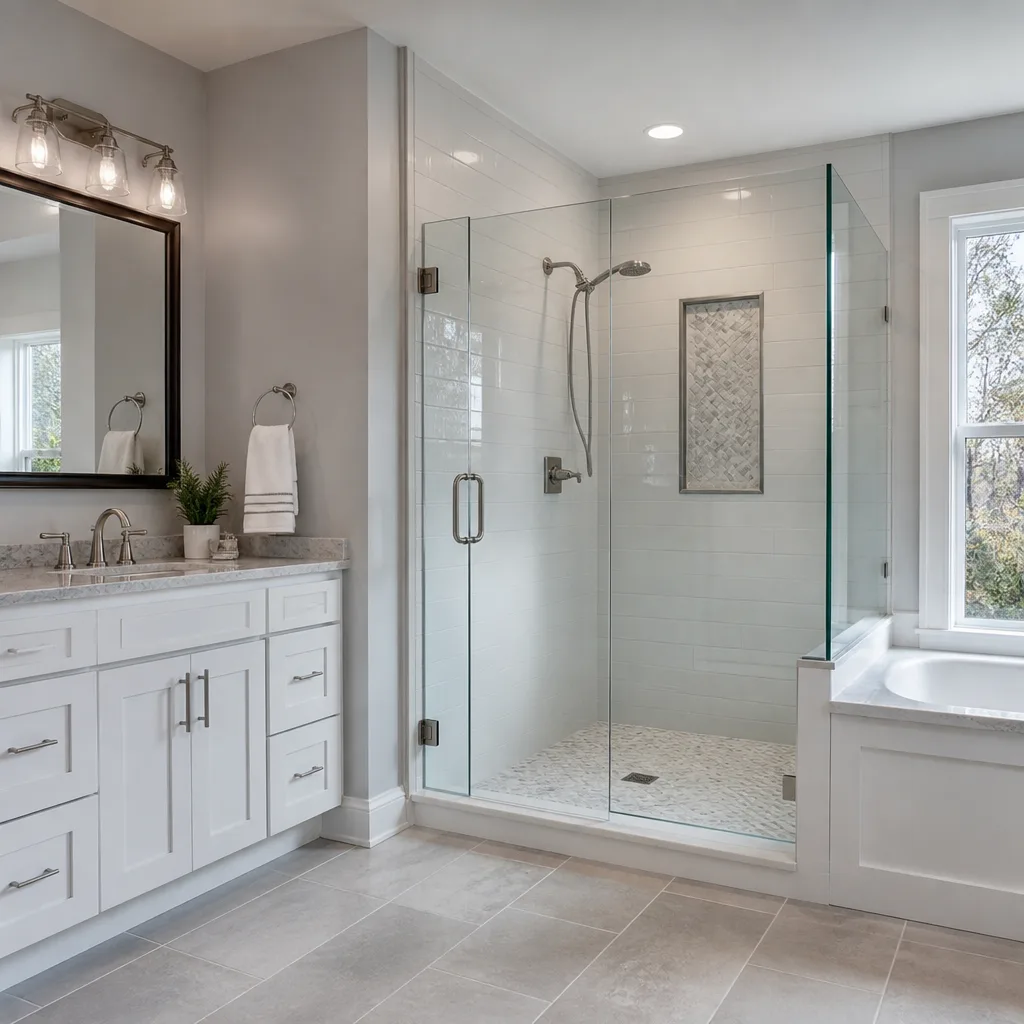
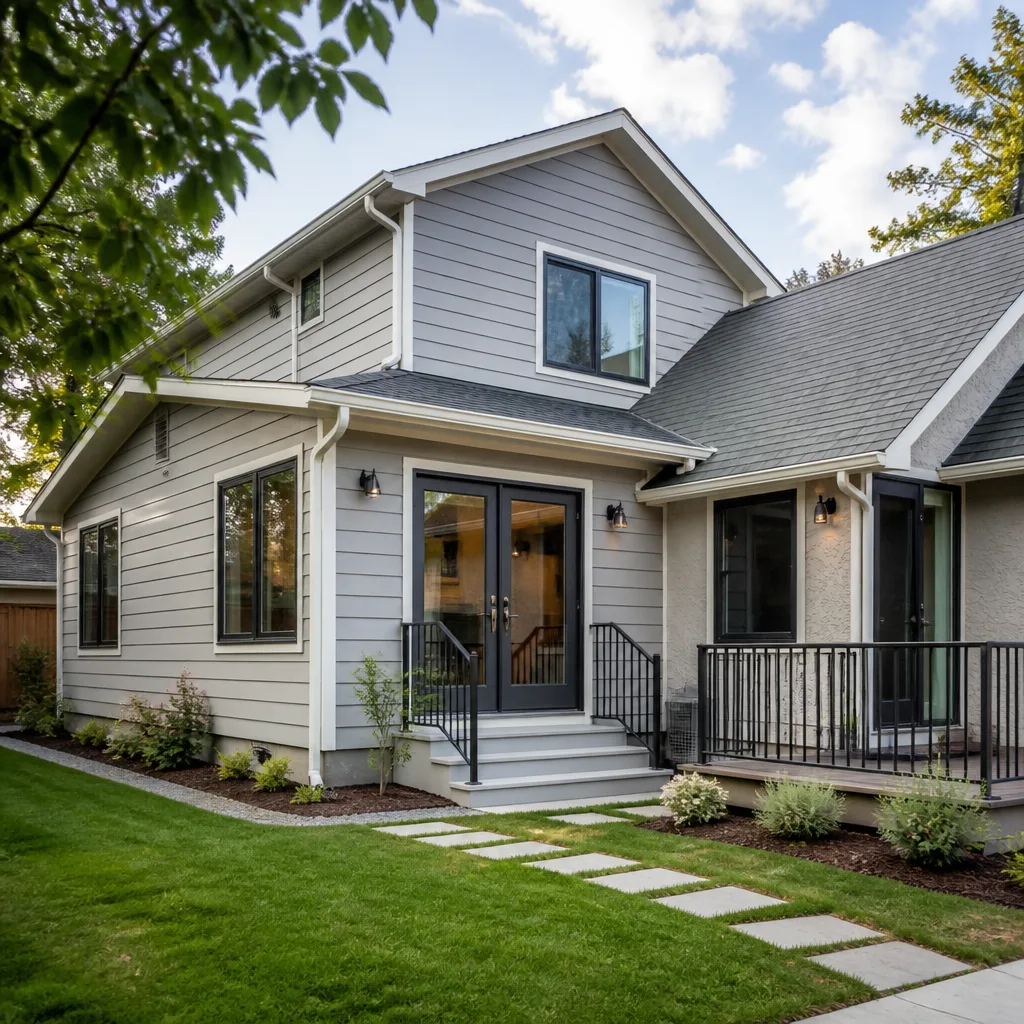
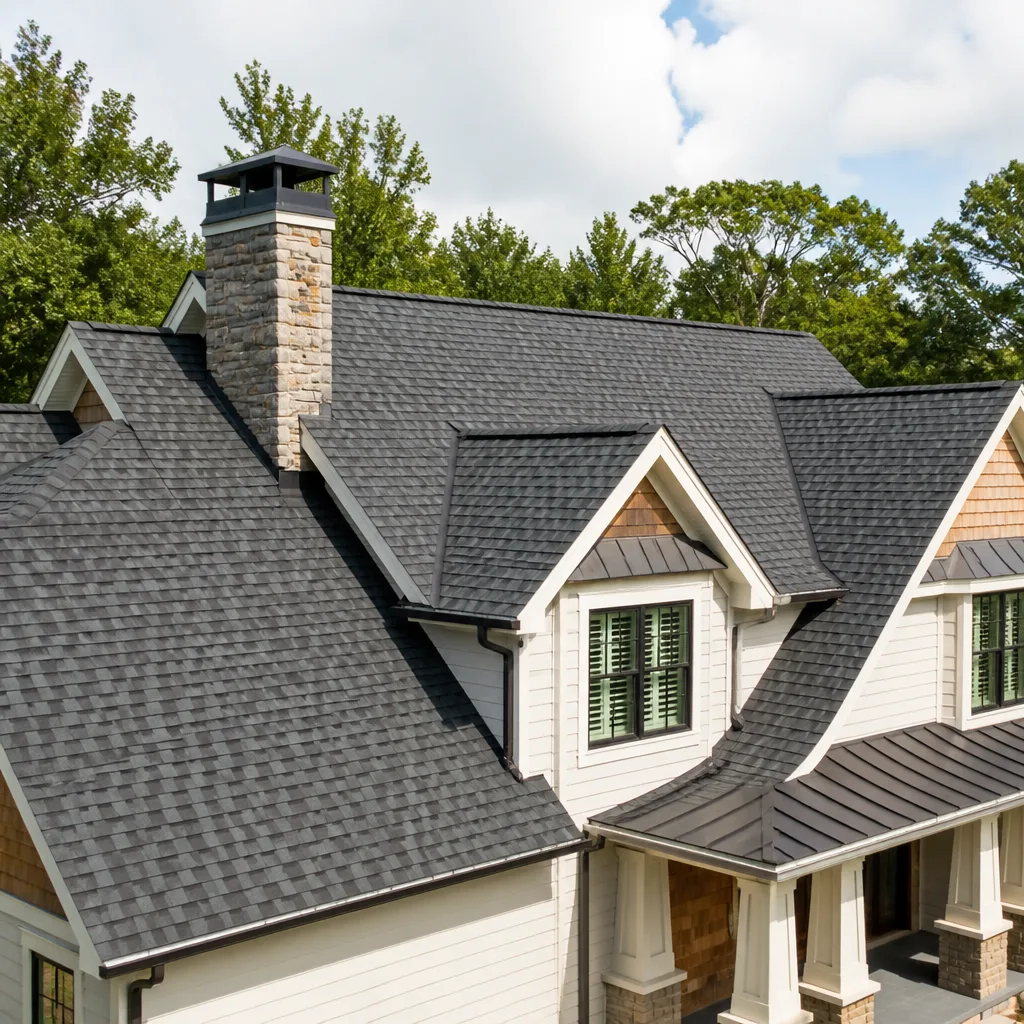
 Before
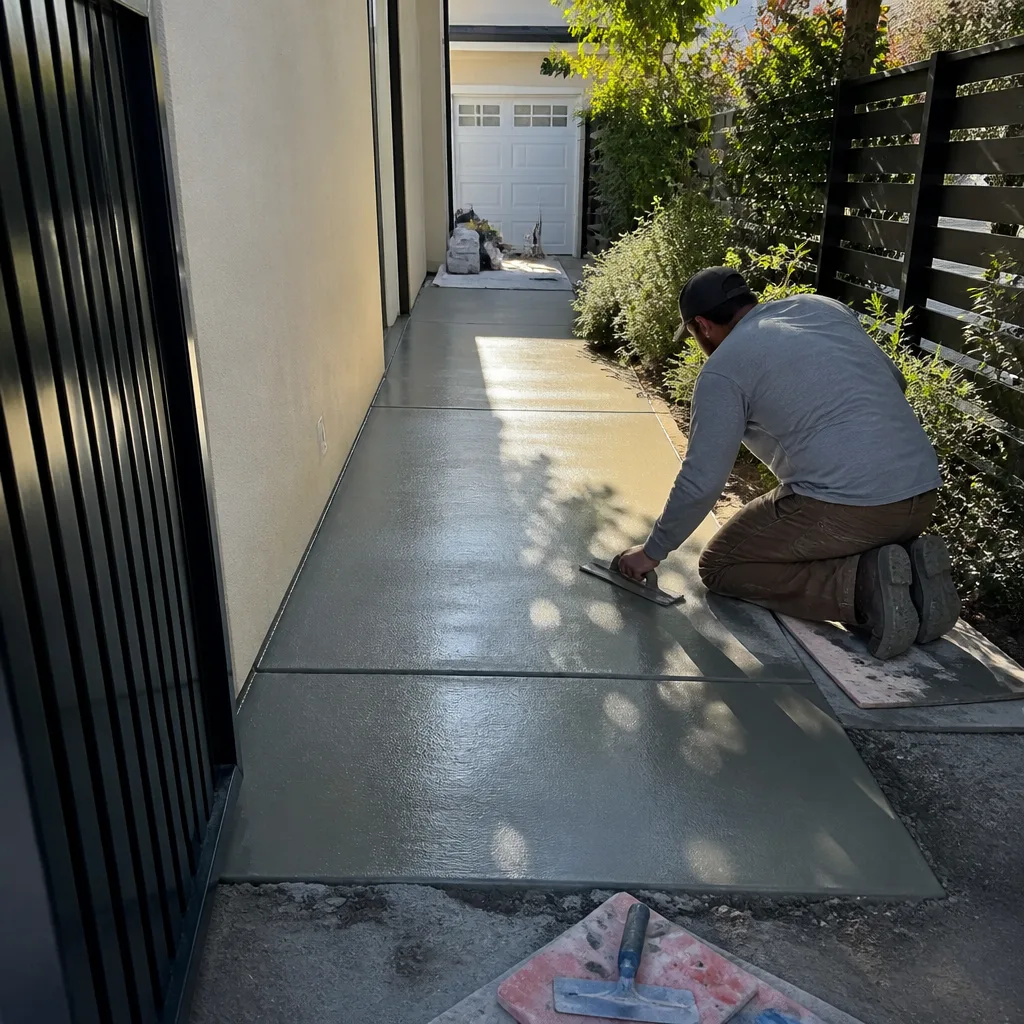 After
After Before
 After
After Before
 After
AfterCGI Driveway & Pavers: The Sherman Oaks Owner’s Guide
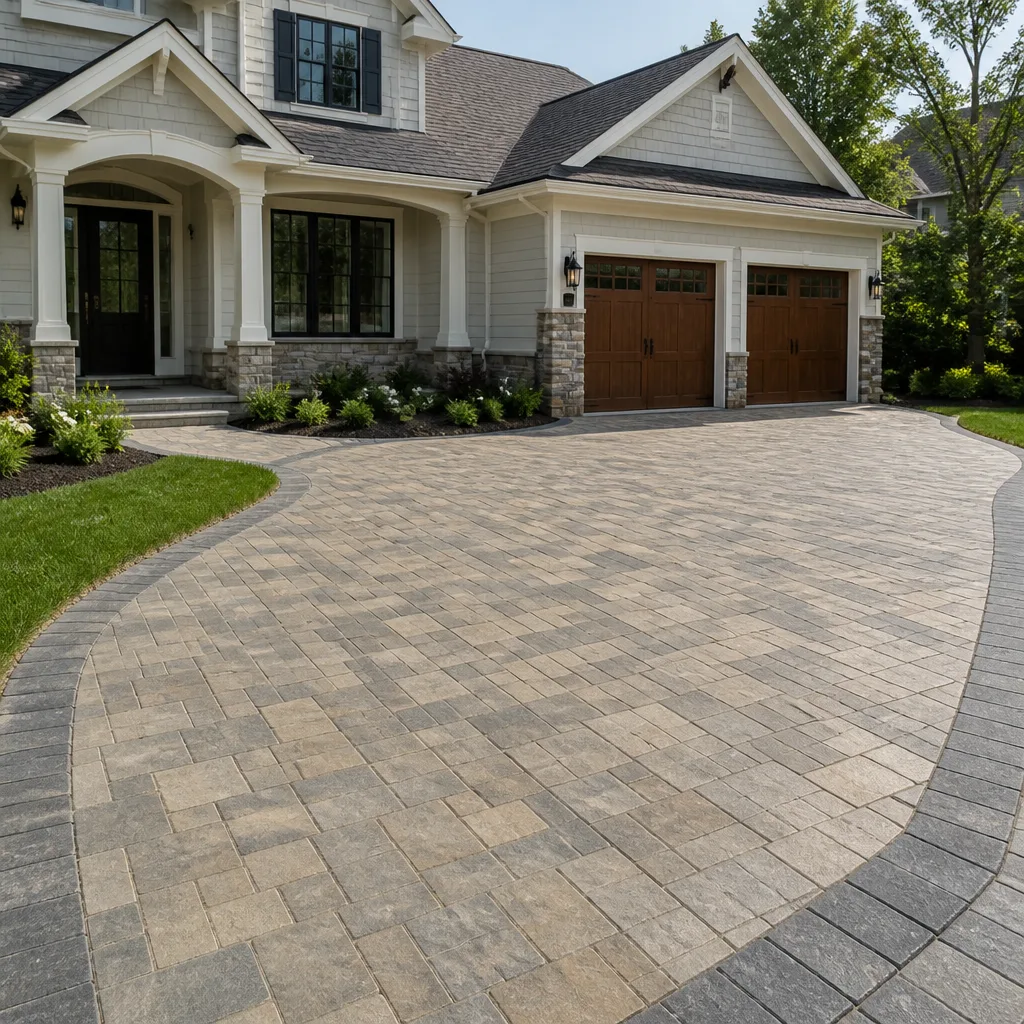
We stock and install CGI-compatible driveway and paver systems in Sherman Oaks, with typical installed pricing running $7,000-$18,000 for paver driveways and $3,500-$11,000 for paver patios depending on substrate condition and pattern complexity. Most homeowners discover a failing CGI installation when the polymeric sand jointing washes out after heavy rain, leaving weeds between pavers, or when the edge restraint - the plastic or aluminum border that locks the field in place - bows outward from soil movement or vehicle overrun. In the clay-heavy soils common to Sherman Oaks lots near the Santa Monica Mountains foothills, we see this edge failure more often than in the flatter Valley floor closer to Ventura Boulevard.
Which CGI Models This Applies To
CGI, or Concrete Grid Interlock, refers to a category of permeable paver systems rather than a single brand with model numbers. What Sherman Oaks homeowners typically mean by “CGI” falls into two series: the open-cell concrete grid paver used for grass or gravel infill driveways (often called Turfstone or Grasscrete style, though CGI is the specifier’s term), and the solid interlocking concrete paver laid in herringbone or running bond patterns. To identify which you have, check the paver thickness - grid pavers run 3-1/8″ to 3-1/2″ thick, while standard interlock is 2-3/8″ or 2-3/4″ - and look for the manufacturing stamp on the paver edge, which usually includes the compressive strength rating (typically 8,000 PSI for vehicular traffic in California).
The OEM-versus-aftermarket question for CGI is simpler than for mechanical systems. There is no single “CGI brand” to source from; instead, we match the existing paver’s dimensions, color, and compressive strength from our vetted suppliers - Belgard, Techo-Bloc, and local California manufacturers who meet ASTM C936. The gotcha in Sherman Oaks is color matching: pavers fade differentially based on sun exposure, and a replacement section laid with new material from the same original batch can still read as a patch. We address this by sourcing from weathered inventory when available, or blending new and existing during a larger reset.
Signs Your CGI Driveway & Pavers Is Failing
- Weeds growing through joints. The polymeric sand binding layer has degraded, usually from improper initial activation (too little water, or rain too soon after installation) or from the freeze-thaw cycles that do occur in Sherman Oaks on January nights below 40°F. Once the binder fails, organic matter collects and germinates.
- Pavers rocking underfoot or tire. The bedding sand beneath has washed out or compacted unevenly, often from inadequate edge restraint allowing the field to spread, or from a base course that was too thin for the clay soil’s expansion-contraction cycle.
- Standing water after light rain. The permeable grid has clogged with sediment, or the open-cell structure was never properly maintained with clear gravel infill. In the dusty conditions of Valley Glen and Sherman Oaks adjacent to construction zones, this happens faster than manufacturers specify.
- Edge pavers tilting or sinking. The edge restraint - plastic spike-in, aluminum, or concrete haunch - has failed from vehicle overrun, root intrusion from adjacent parkway trees, or the lateral soil pressure that builds when irrigation oversaturates planting beds against the driveway.
- Efflorescence (white powder) that returns after cleaning. Calcium hydroxide migration from the concrete matrix indicates a paver with high porosity or a base that stays wet, which in Sherman Oaks often traces to a sprinkler head misaligned to spray the driveway nightly.
 Before
 After
AfterReplacement Cost & What’s Included
For CGI paver driveway replacement in Sherman Oaks, our installed range is $7,000-$18,000; paver patios run $3,500-$11,000. The spread reflects four factors: square footage, whether we can reuse existing pavers (saving material cost but adding labor for careful removal), base repair depth (clay soils here often need 6″ of compacted Class 2 base rather than the 4″ specified for stable ground), and edge restraint type (plastic is cheaper, aluminum with concrete haunch lasts longer on sloped drives).
Every quote is a flat written price with line-item breakdown - under Clause 1 of the Haven Standard, the number is fixed before work starts. No change proceeds without a signed change order. The 365-Day Done Right Promise covers workmanship; manufacturer defects in the pavers themselves carry the supplier’s warranty, which we document in your project file. You receive a photo record of substrate condition, base placement, and finished work as standard deliverable, not an upgrade.
DIY or Call Us?
An owner can safely check three things: confirm the paver stamp and dimensions for matching, verify whether the edge restraint is plastic (spiked) or concrete (haunched), and photograph the drainage pattern after hosing the surface for two minutes. What goes wrong in DIY is the base preparation - removing pavers, adding sand, and relaying them without addressing the underlying base failure guarantees recurrence within one season. In Sherman Oaks, the clay soil’s expansion during our wet winters and contraction in dry summers will undo surface-level fixes.
We don’t recommend DIY for any project requiring base excavation, compaction with a plate compactor (which can transmit vibration damage to adjacent hardscape if operated without experience), or cutting pavers with a wet saw. Measure twice, write it down, then build it - but for the build itself, call (213) 221-0788 to schedule your free estimate.
FAQs
Properly installed concrete grid interlock pavers last 25-30 years in the San Fernando Valley climate, though the polymeric sand jointing needs refreshment every 5-7 years and edge restraint inspection every 3-5. The intense UV and occasional freeze-thaw in Sherman Oaks accelerate surface color change but don’t typically compromise structural integrity. Call (213) 221-0788 for an exact quote on your specific installation - estimates are free.
Partial repair is viable when the failure is isolated to joints, edge restraint, or a small subsidence area under 10% of the total field. We remove affected pavers, regrade and compact the base, and relay matching material. When failure exceeds 25% of the area or the base is saturated clay throughout, full replacement is more cost-effective than repeated patchwork. Call (213) 221-0788 for an exact quote - estimates are free.
A typical 400-square-foot driveway in Sherman Oaks takes 3-4 working days: one for removal and base prep, one for base placement and compaction, one for paver laying and initial joint sanding, and a partial day for final compaction and polymeric sand activation. Weather delays are rare here but can occur if rain hits during the sand curing window. Call (213) 221-0788 to schedule your free estimate.
We maintain inventory of common paver sizes (4×8, 6×6, 6×9 in standard gray and tan), polymeric sand in multiple colors, and edge restraint profiles for immediate deployment. For color-matched replacement of weathered installations, we source from regional suppliers with 2-3 day lead times. We also stock parts for KraftMaid, Cambria, and Silestone products across our other trades. Call (213) 221-0788 for availability on your specific paver profile - estimates are free.
Written by Grant Rowan, Owner, Rowan Construction Group Sherman Oaks at Rowan Construction Group Sherman Oaks, serving Sherman Oaks and nearby areas.