
Last updated September 24, 2026
Free written scope consultation - allowances, timeline, and change-order rules on paper before a single trade is scheduled







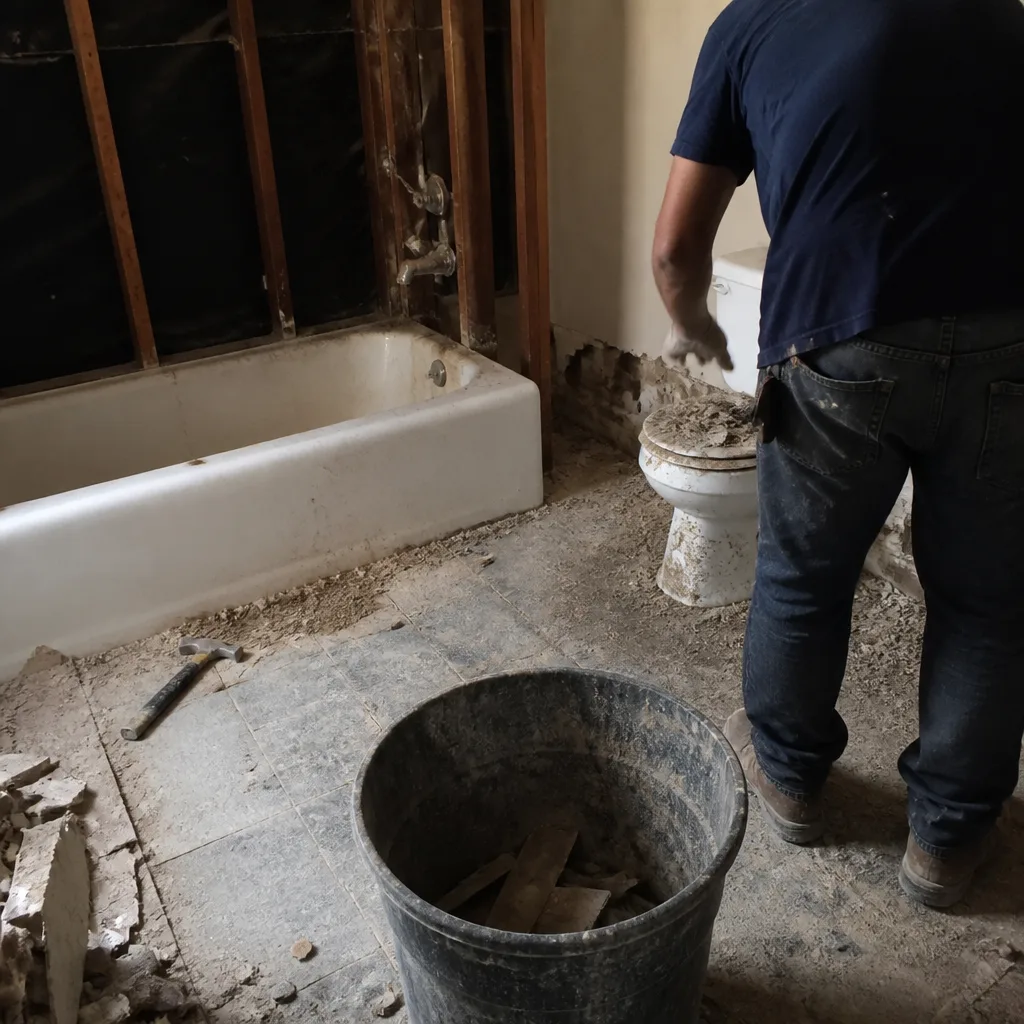 Before
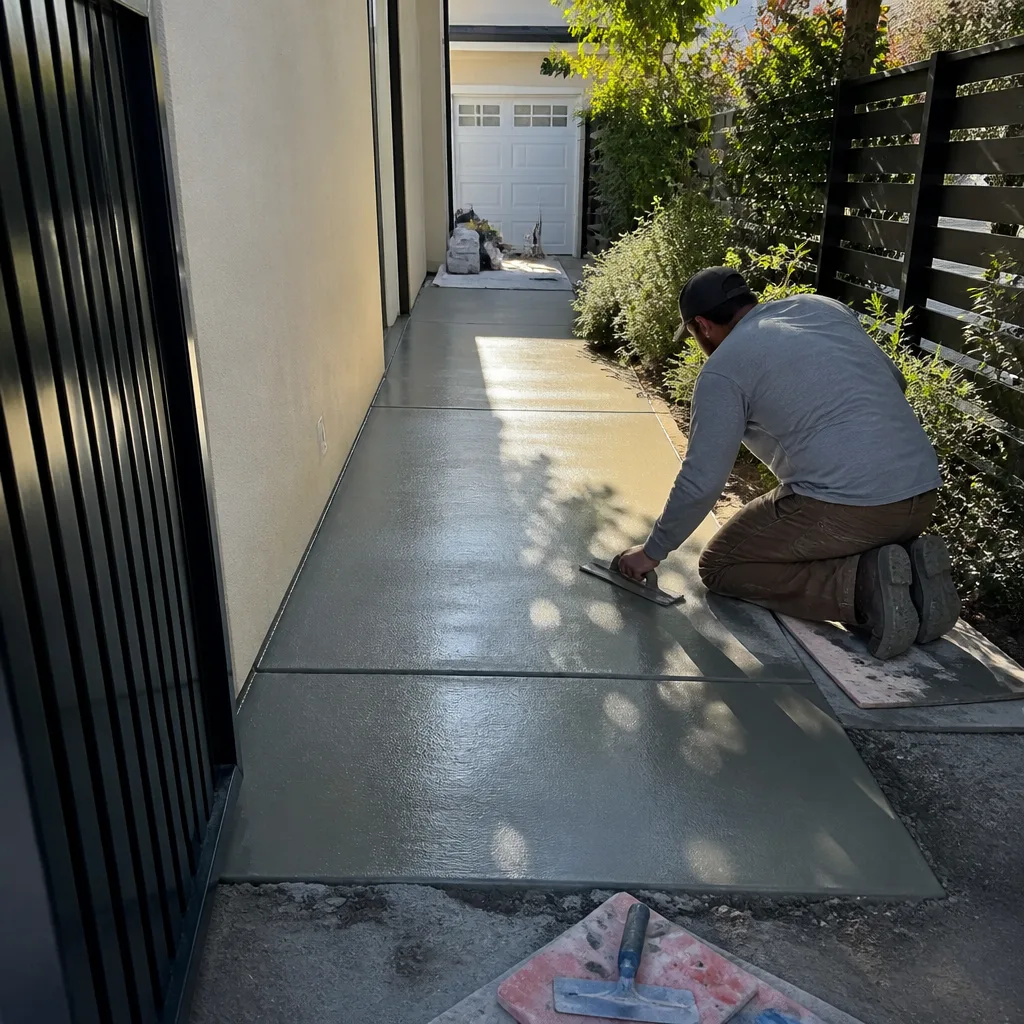 After
After Before
 After
After Before
 After
AfterKitchen Remodeling Maintenance Checklist for Sherman Oaks Homeowners
Quartz countertops don’t need sealing - but the grout lines between your tile backsplash and the countertop edge do, and most installers don’t tell you that the caulk joint there typically needs replacement every 18 to 24 months in a high-use kitchen before moisture finds the substrate. In Sherman Oaks, where the Santa Ana winds drive dust into every seam and LA’s hard water leaves mineral deposits on finishes within weeks, a $60,000 kitchen remodel can show $15,000 in preventable damage within five years if maintenance is treated as an afterthought. This guide organizes upkeep by system and timeline, not by room aesthetics, so you protect what you paid for.
Quick Answer
A kitchen remodel maintenance checklist for Sherman Oaks homeowners should track six systems on distinct schedules: cabinetry hardware and hinges quarterly, countertop sealants and caulk joints every 18-24 months, plumbing aerators and supply lines every 6 months due to regional hard water, ventilation filters and ductwork annually, tile and grout sealing every 12-18 months, and appliance connections and electrical GFCI testing annually. Document everything - this log supports warranty claims and satisfies California resale disclosure requirements. For more guides & resources, see our blog.
Table of Contents
- Cabinetry: Hinges, Hardware, and Finish Integrity
- Countertops and Caulk Joints: The Hidden Failure Points
- Plumbing Systems in Hard Water Conditions
- Ventilation: Range Hoods and Duct Maintenance
- Tile, Grout, and Backsplash Sealing
- Appliance Connections and Electrical Safety
- Building Your Maintenance Log for Warranty and Resale
- Common Mistakes to Avoid
 Before
 After
AfterCabinetry: Hinges, Hardware, and Finish Integrity
KraftMaid’s warranty documentation, which we reference during every kitchen remodeling in Sherman Oaks installation, requires that homeowners adjust and lubricate hinges within the first year to maintain coverage on soft-close mechanisms. The warranty language is explicit: “failure to perform routine maintenance may void warranty protection for hinge and drawer glide components.” Most homeowners never read this clause.
Here’s the quarterly schedule we recommend to clients in Sherman Oaks, where temperature swings between valley heat and marine layer moisture cause wood movement. See also our Seasonal Construction Care for Sherman Oaks: Year-Round Homeowner’s Guide for climate-specific timing:
- Month 3 post-install: Check all hinge screws for loosening from initial settling. The first expansion-contraction cycle in Sherman Oaks’ climate often reveals which fasteners need a quarter-turn.
- Every 3 months ongoing: Wipe hinges with a dry cloth to remove cooking residue, then apply a drop of light machine oil to the pivot point. Blum and Salice hinges, common in KraftMaid and Wellborn cabinet lines, use nylon bushings that degrade if grit accumulates.
- Twice yearly: Test all drawer glides for smooth operation. Full-extension soft-close slides have a dampener cartridge that can be cleaned with compressed air - never lubricated with oil, which attracts dust.
- Annually: Inspect cabinet face frames and door edges for finish wear, particularly near sinks and dishwashers where steam concentrates. Water-based finishes, standard since VOC regulations tightened, are less solvent-resistant than older lacquers and need earlier attention.
The finish maintenance distinction matters for warranty purposes. KraftMaid’s limited lifetime warranty covers “defects in material and workmanship” but excludes “damage caused by improper maintenance, excessive moisture, or failure to follow care instructions.” A homeowner who cleans cabinet faces with a vinegar solution, thinking it’s natural, has voided the finish warranty - the acetic acid attacks water-based topcoats. We document this during our final walkthrough, and our photo record shows the homeowner received the manufacturer’s care card.
Drawer organization also affects longevity. Overloaded drawers stress glide mounting plates, and the damage pattern is distinctive: the front mounting screw pulls through the cabinet side panel, leaving an oval hole that no warranty covers. In Sherman Oaks homes built between 1950 and 1980, where cabinet side panels are often 1/2-inch particleboard rather than 3/4-inch plywood, this failure mode is common. We specify 3/4-inch plywood boxes in our written scope for exactly this reason - the upgrade costs more upfront, but the maintenance burden drops proportionally.
Countertops and Caulk Joints: The Hidden Failure Points
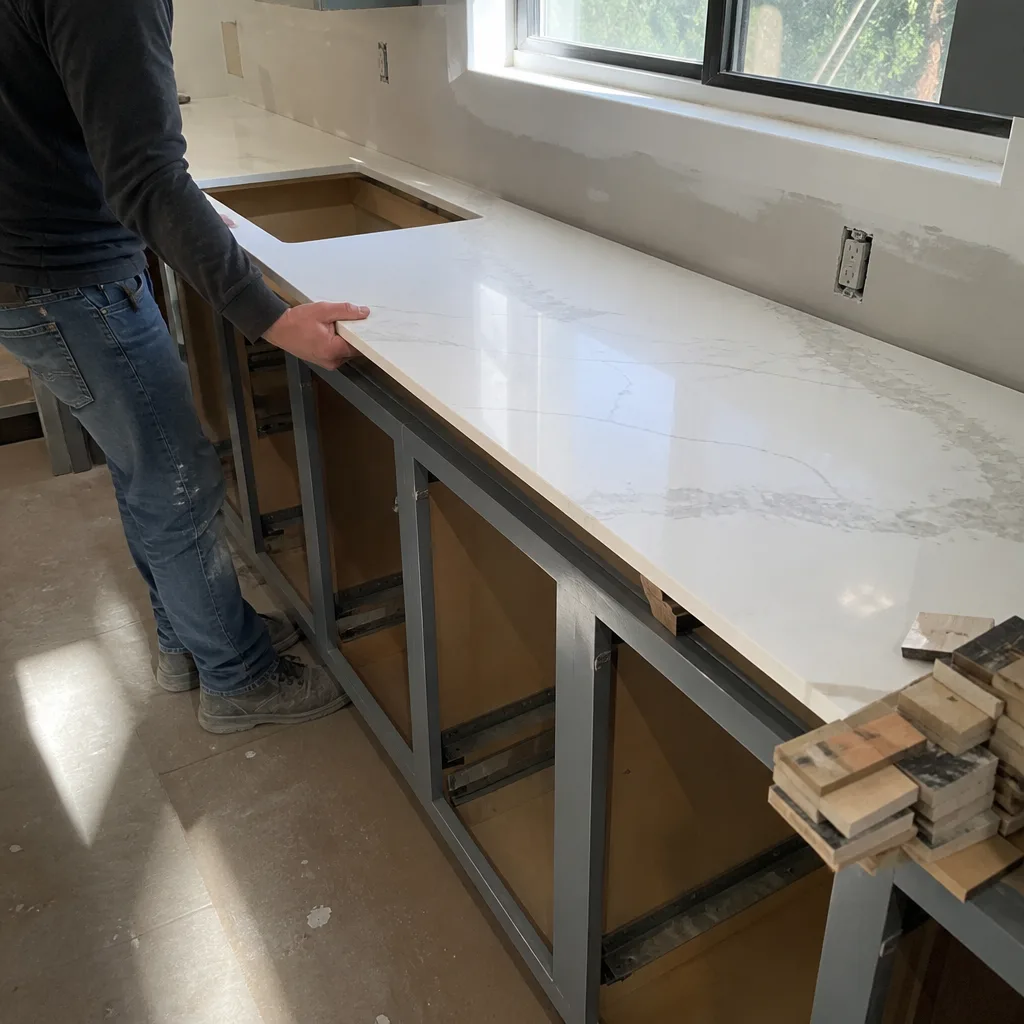
Cambria and Caesarstone, the quartz brands we quote most often in Sherman Oaks kitchen remodels, market their products as “maintenance-free.” The material itself is - 93% crushed quartz bound in resin is non-porous and doesn’t require sealing. But the installation has multiple failure points that demand attention, and none of them are the countertop surface.
The silicone caulk joint between countertop and backsplash, and between countertop and wall on peninsula ends, is the critical maintenance item. Manufacturer installation guidelines specify “100% silicone sealant” at these transitions, but silicone degrades from the back side in kitchens - heat, grease aerosols, and cleaning products attack the bond line. In our experience across 4,000-plus projects, this joint needs inspection at 18 months and replacement by 24 months in kitchens that see daily use. The warning signs are subtle: the caulk bead develops a slight concavity as it shrinks, or the surface becomes tacky from polymer breakdown.
Granite and marble countertops, still specified in some Sherman Oaks homes for their heat resistance and patina development, need different treatment. These natural stones require penetrating sealer application every 12-18 months, with the interval determined by a simple water-drop test: if water doesn’t bead on the surface for 30 seconds, the stone is absorbing liquid and the sealer has failed. The sealer doesn’t protect against etching from acidic foods - that’s a permanent chemical reaction with the calcite in marble - but it does prevent staining from oils and wine.
Undermount sink installations add another caulk joint to monitor: the silicone bead between sink rim and countertop underside. This joint is inaccessible for visual inspection without a mirror and flashlight, which is why most homeowners never check it. Failure here allows water to wick into the substrate, and by the time the countertop overhang feels soft or the sink drops slightly, the particleboard substrate is compromised. We include a photo of this joint in our documented photo record at project completion, so homeowners know what to look for.
The maintenance calendar for countertops and joints:
- Monthly: Visual inspection of visible caulk joints for shrinkage, discoloration, or separation
- Every 12 months: Water-drop test on natural stone; reseal if needed
- Every 18-24 months: Replace silicone caulk at countertop-backsplash joint and sink perimeter
- Every 24 months: Professional inspection of undermount sink attachment and hidden caulk joints
We specify color-matched, kitchen-grade silicone in our written scope - not painter’s caulk, not latex “kitchen and bath” products that shrink and crack within months. The material cost difference is negligible; the performance difference is years.
Plumbing Systems in Hard Water Conditions
Los Angeles Department of Water and Power reports average water hardness of 200-300 parts per million across the service area, and Sherman Oaks draws from the same municipal supply. This is moderately hard water - not the extreme calcium scaling of desert cities like Phoenix, but enough to create measurable maintenance consequences in a kitchen’s first three years.
The most visible effect is aerator clogging. Kohler’s faucet warranty covers cartridge defects and finish failures, but the documentation explicitly excludes “reduced flow due to mineral buildup,” which is a maintenance issue, not a defect. A faucet aerator in Sherman Oaks should be removed and soaked in white vinegar every six months. The screen collects not just calcium but also sediment from aging municipal pipes - particularly in the flatland neighborhoods south of Ventura Boulevard, where some water mains date to the 1950s.
The less visible but more expensive effect is dishwasher mineral accumulation. Spray arm orifices clog progressively, reducing cleaning performance until the homeowner runs hotter cycles or pre-rinses more aggressively - both of which waste energy and water. The maintenance is simple: remove the lower spray arm every six months and clear orifices with a straightened paper clip, then run an empty cycle with citric acid cleaner. But the interval matters. Let it go 12 months in 250 ppm water, and the orifice reduction is enough to require arm replacement.
Garbage disposals present a different hard water interaction. The flywheel and impellers develop calcium film that reduces grinding efficiency, and the rubber splash guard traps grease that mineralizes into a hard deposit. Monthly grinding of citrus peels helps - the citric acid dissolves film - but the splash guard itself should be removed and scrubbed every three months. InSinkErator, the brand we install most often, specifies this in their care manual, which most homeowners discard with the installation packaging.
Supply line inspection belongs on the annual calendar. Braided stainless steel lines, standard since 2010 or so, have a 10-year rated life but can fail earlier at the crimp fittings if subjected to water hammer or flexing from cabinet contents. The inspection takes two minutes: close the angle stop, disconnect the line (with a bucket ready), and examine the ferrule and nut for corrosion or deformation. Reconnect with fresh plumber’s tape. This is homeowner-permissible work in California - it doesn’t require a licensed plumber - but many homeowners don’t know where the line is between DIY and code-required professional work.
That line, per California Plumbing Code, is at the point where modification of the supply system occurs. Inspection, cleaning, and like-for-like replacement of flexible connectors are homeowner tasks. Adding a supply line, modifying angle stops, or working on soldered or PEX crimp connections requires a C-36 licensed plumber. We clarify this distinction in our project closeout documentation because misinformation abounds in online forums.
Ventilation: Range Hoods and Duct Maintenance
Broan’s warranty terms for range hood motors require “cleaning of grease filters and inspection of ductwork” at six-month intervals to maintain coverage on the blower assembly. This is not a suggestion - the warranty card we provide clients specifies that “failure to maintain filters and ductwork will void motor warranty.” The reason is mechanical: grease-laden air passing an overloaded filter coats the blower wheel, creating imbalance that burns out the motor bearings.
The maintenance schedule for ventilation systems in Sherman Oaks kitchens:
- Monthly: Remove and clean aluminum mesh filters in dishwasher or with degreaser. Charcoal filters, used in ductless recirculating installations common in condos and some Sherman Oaks bungalows without exterior wall access, cannot be cleaned and must be replaced every 3-6 months depending on cooking frequency.
- Every 6 months: Inspect ductwork termination outside the home. The vent hood should open freely under airflow and seal when the fan stops. In Sherman Oaks, where mature trees drop leaves and seed pods, vent hoods can become obstructed. A stuck-open vent hood also admits cold air and pests.
- Annually: Remove the blower housing cover and clean the wheel with degreaser. This requires disconnecting power at the breaker - not just the switch - and is the point where many homeowners prefer to schedule professional service. We offer this as a standalone maintenance visit, documented with photos.
- Every 2-3 years: Professional duct cleaning if the hood vents through rigid duct longer than 10 feet. Grease accumulates in horizontal runs and elbows, creating a fire hazard that home insurance policies increasingly exclude if maintenance records don’t show periodic cleaning.
Make-up air is a code consideration that affects ventilation performance. California’s Title 24 energy code requires make-up air provisions for range hoods over 400 CFM in new construction and substantial remodels. If your kitchen remodeling in Sherman Oaks included a high-CFM hood, verify that the make-up air damper is functional - a stuck damper creates negative pressure that pulls garage fumes or fireplace smoke into the kitchen, and the symptom is often misdiagnosed as a ventilation problem when it’s actually a pressure-balance problem.
We specify Broan and Zephyr hoods with integrated make-up air dampers in our written quotes, and we document the damper operation in our photo record. The homeowner’s maintenance responsibility is visual inspection: the damper should move freely when manually actuated, and the exterior hood should not rattle in wind, which indicates a failed closure spring.
Tile, Grout, and Backsplash Sealing
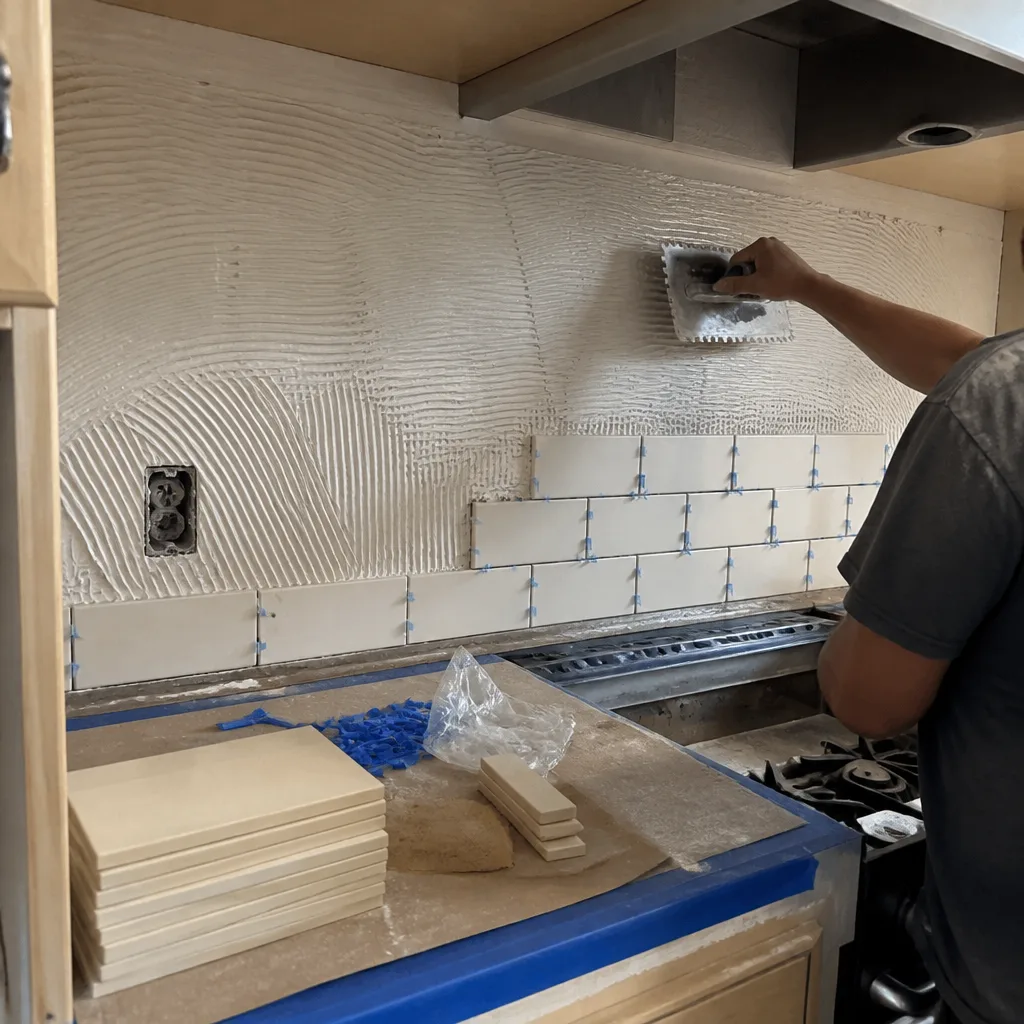
Tile backsplashes in Sherman Oaks kitchens face a specific environmental stress: the combination of hard water and cooking grease creates a film on grout that standard cleaning doesn’t remove. The film traps moisture, and moisture in grout leads to efflorescence - the white powdery deposit of mineral salts that indicates water is moving through the grout body. This is not a cosmetic issue; it’s a signal that the grout’s waterproofing function has degraded.
Cementitious grout, still the standard for most residential installations, is porous and requires penetrating sealer. Epoxy grout, which we specify for high-splash zones behind cooktops, is essentially waterproof and doesn’t need sealing, but the cost premium is 3-4x and the installation requires more skilled labor. Our written scope specifies grout type by zone, so homeowners know what they have.
The maintenance calendar:
- Monthly: Clean backsplash with pH-neutral cleaner. Avoid vinegar, lemon, or acidic cleaners on natural stone tile - they etch calcite-based materials like marble, limestone, and travertine. Even on ceramic and porcelain, acidic cleaners degrade grout sealer over time.
- Every 6 months: Inspect grout lines for cracking, crumbling, or discoloration. Hairline cracks in cement grout are normal shrinkage; cracks wider than 1/16 inch indicate substrate movement and need professional evaluation.
- Every 12-18 months: Reapply penetrating sealer to cement grout. The application is homeowner-feasible - brush-on, wipe-off, cure for 24 hours - but the timing matters. Sealer applied too frequently builds a surface film that yellows; applied too infrequently, it allows staining and moisture penetration.
- Every 24 months: Replace silicone caulk at counter-to-backsplash junction and inside corners. This is the same interval as countertop caulk, and for the same reasons - the joint sees the most thermal and moisture cycling.
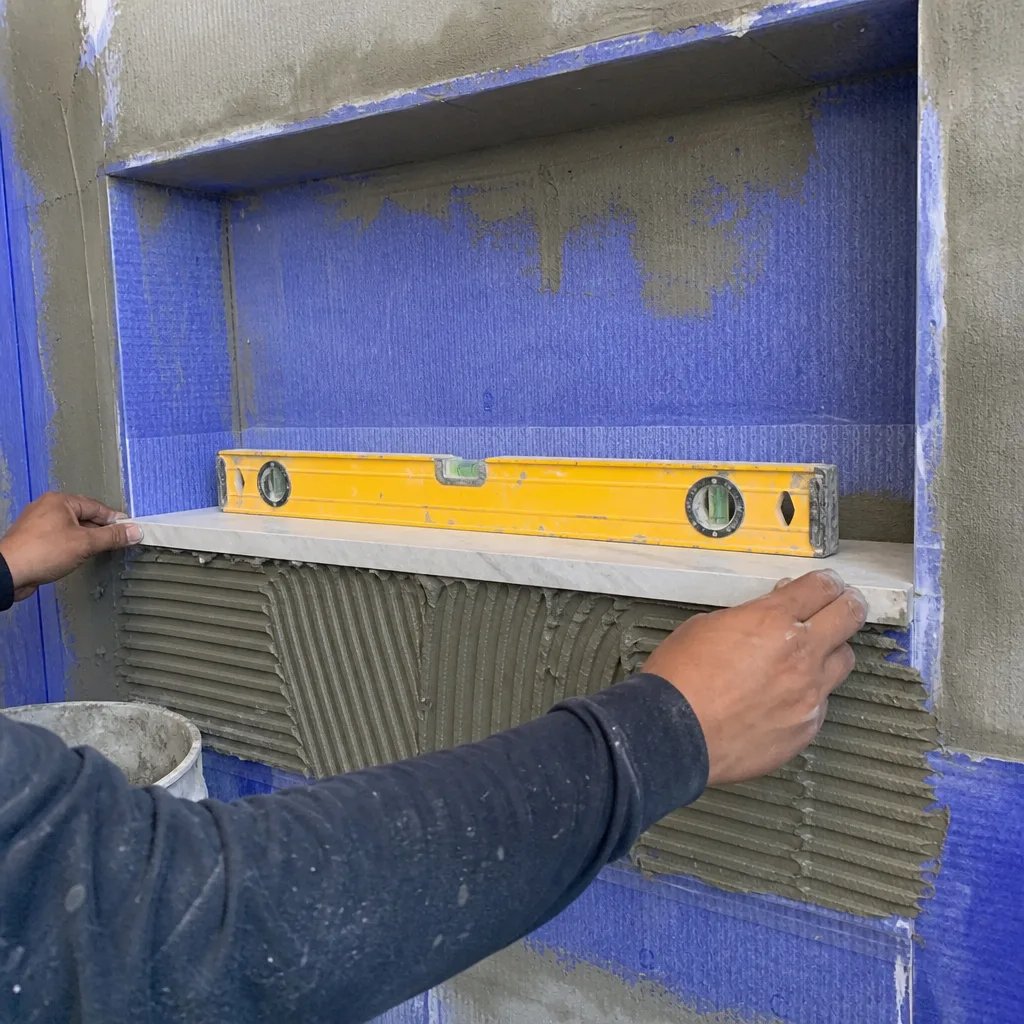
Schluter Systems, the membrane manufacturer we use for waterproofing in wet-area tile installations, specifies that their Kerdi membrane behind tile is maintenance-free for the life of the tile. But the membrane only protects the wall cavity; it doesn’t protect the grout surface or the tile itself. The distinction matters for warranty claims - Schluter covers membrane failure, not grout maintenance neglect.
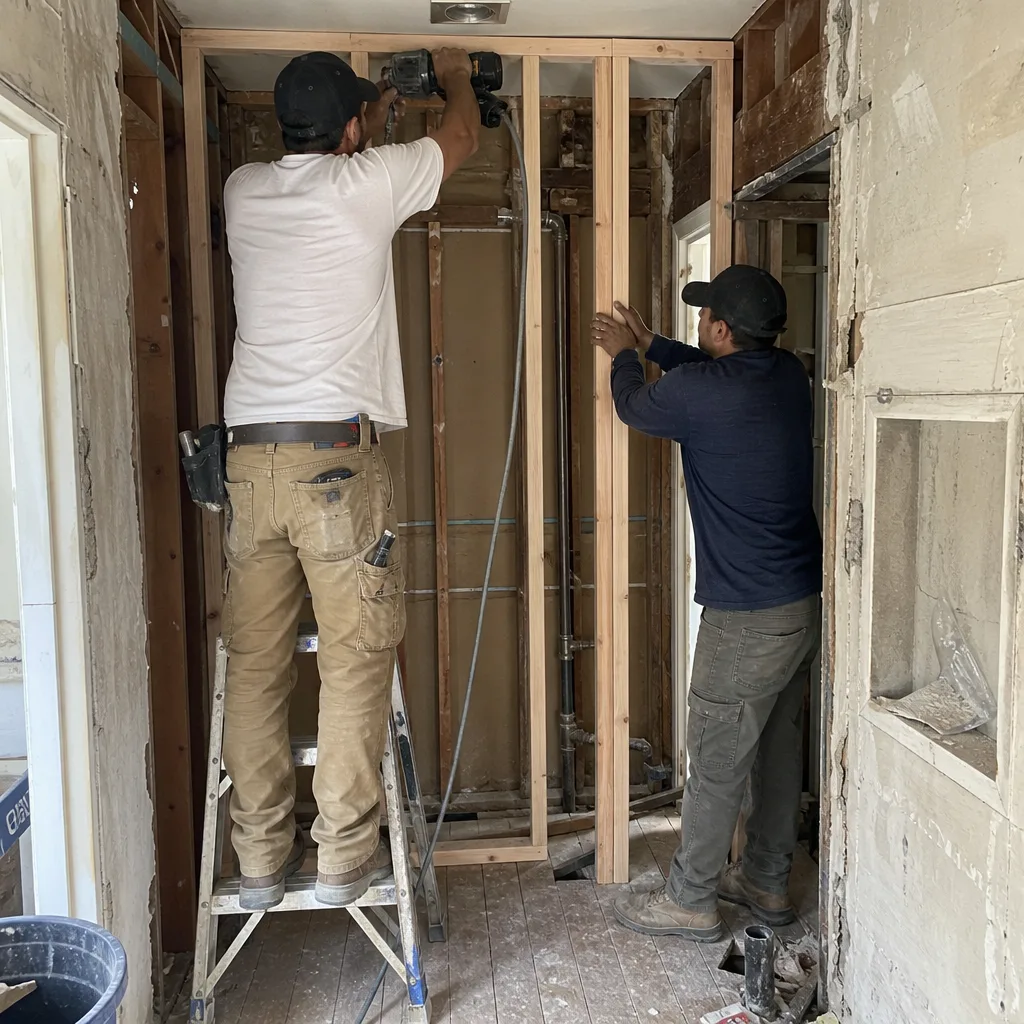
In Sherman Oaks homes with original 1940s-1960s construction, we sometimes encounter plaster-and-lath walls behind existing backsplashes rather than cement board or Kerdi. These walls are more moisture-sensitive than modern substrates, making grout sealer maintenance more critical. Our written scope specifies substrate replacement when we encounter plaster in wet zones, and we document the before condition with photos.
Appliance Connections and Electrical Safety
The electrical and gas connections installed during a kitchen remodel are the systems most regulated by code, and the maintenance line between homeowner and professional is clearest here. California law requires a C-10 licensed electrician for any work on fixed wiring and a C-36 licensed plumber for gas line modification. What homeowners can legally do is limited to testing, cleaning, and observation.
The annual electrical safety checklist for a remodeled kitchen:
- Test all GFCI receptacles: Press the test button monthly; the receptacle should trip and cut power. Press reset to restore. If the test button doesn’t trip the receptacle, the GFCI has failed and requires replacement by a licensed electrician. This is not optional - a failed GFCI provides no ground-fault protection, and the condition is a code violation if known and unaddressed.
- Inspect appliance cords and plugs: Look for heat damage at the plug blades (discoloration, melting), cord jacket cracking, or strain relief failure where the cord enters the appliance. Refrigerator and dishwasher cords are particularly vulnerable to kinking from pulling units out for cleaning.
- Verify range and cooktop anti-tip bracket: The bracket, required by California code since 1991, prevents the range from tipping when oven door weight loads the open door. Test by attempting to tip the range forward with moderate pressure - it should not move. A missing or improperly installed bracket is a known child safety hazard and a home inspection failure point.
- Check under-cabinet lighting transformers: LED drivers and low-voltage transformers should not buzz, overheat, or show case discoloration from heat. buzzing indicates impending failure; discoloration indicates existing overheating. Both require electrician evaluation.
Gas connections demand similar caution. The flexible appliance connector to a gas range has a 10-year replacement interval per CSA International standards, and California code requires a shutoff valve within 6 feet of the appliance. The homeowner maintenance is visual and olfactory: check the connector for kinking, corrosion, or cracking; verify the shutoff valve operates freely; and if you smell gas, evacuate and call the gas utility - never attempt leak detection with soap solution on a suspected leak, as the bubbling can conceal the source and the practice is dangerous with large leaks.
We specify brassCraft or Dormont gas connectors with excess flow valves in our written scope, and we photograph the installed connection with the valve in the accessible position. The photo becomes part of the homeowner’s maintenance reference - they know what correct looks like, which makes incorrect easier to spot.
Building Your Maintenance Log for Warranty and Resale
California Civil Code Section 1102 requires sellers to disclose “any material facts affecting the value or desirability of the property,” which courts have interpreted to include known defects in major systems. A well-maintained kitchen with documented upkeep supports a clean disclosure; a neglected kitchen with water damage from failed caulk joints creates liability exposure that can derail a sale or trigger post-sale litigation.
The maintenance log we recommend to Sherman Oaks homeowners is simple but structured:
- System inventory: List every component installed during the remodel - cabinet manufacturer and line, countertop material and fabricator, faucet model, range hood CFM and brand, tile and grout type, appliance models and serial numbers. This is the information warranty claims require, and it’s easier to collect at project completion than to reconstruct years later.
- Maintenance calendar: Record dates of each maintenance action - filter cleaning, sealant application, professional inspections. Digital photos with date stamps are acceptable; paper logs with receipts work too. The medium matters less than the consistency.
- Professional service records: Keep invoices from licensed plumbers, electricians, and HVAC technicians. These document that code-required work was performed by qualified persons, which matters for insurance claims and resale.
- Change order file: Retain all signed change orders from the original remodel. These show the scope of work performed, which helps future contractors or inspectors understand what’s behind the walls.
Our documented photo record, included standard on every Rowan Construction Group project, becomes the baseline for this log. We deliver organized digital files showing pre-existing conditions, rough-in state, finish installation, and final walkthrough. Homeowners who maintain the log from this starting point have a defensible record if warranty claims or disclosure questions arise.
The Haven Standard’s Clause 1 - written price before any work starts - extends to this documentation. Our written scope specifies what we install; our photo record shows what we delivered; the homeowner’s maintenance log shows what they preserved. The chain of evidence protects everyone.
Common Mistakes to Avoid
- Assuming quartz means zero maintenance. The countertop surface is maintenance-free, but the installation joints, sink attachment, and surrounding caulk are not. We’ve replaced three undermount sinks in Sherman Oaks kitchens where homeowners never inspected the hidden silicone bead.
- Using vinegar on everything. The natural-cleaning trend damages water-based cabinet finishes, degrades grout sealer, and etches natural stone. pH-neutral cleaners cost more per bottle but prevent four-figure restoration work.
- Ignoring the 18-month caulk cycle. Caulk failure is invisible until it’s catastrophic. The countertop-backsplash joint fails from the back side; by the time you see water damage on the cabinet below, the substrate is compromised.
- DIYing beyond your legal and skill limits. California’s licensing requirements exist because failures in gas and electrical systems kill people. The money saved on a skipped electrician visit is dwarfed by the liability of an unpermitted, uninsured repair.
- Discarding manufacturer documentation. Warranty claims require model numbers, installation dates, and proof of maintenance. The folder we provide at project closeout belongs in your permanent home file, not the recycling bin.
- Waiting for visible damage. By the time grout shows efflorescence or cabinets show water staining, the repair cost is 5-10x the preventive maintenance cost. The maintenance calendar exists to front-load small, predictable expenses.
When to Call a Professional
Call a licensed plumber for any supply line modification, gas leak concern, or drain blockage beyond a plunger or hand snake. Call a C-10 electrician for GFCI replacement, circuit breaker issues, or any sparking, burning smell, or shock sensation. Call a ventilation contractor for ductwork modification or range hood motor replacement - the electrical load calculations matter for fire safety.
For kitchen systems that need evaluation but don’t yet require emergency service, Rowan Construction Group Sherman Oaks home offers free estimates. We’ll review your maintenance log, inspect the systems we installed or any systems you’re concerned about, and provide a written assessment with flat pricing for any recommended work. Under the Haven Standard, that written price arrives before any work starts - Clause 1, the same discipline that’s kept our projects within a few percent of estimate across 4,000-plus jobs since 2007. Call (213) 221-0788 to schedule.
Frequently Asked Questions
Cementitious grout in a kitchen backsplash should be resealed every 12 to 18 months, with the shorter interval for areas behind the cooktop where grease and moisture concentrate. Test by sprinkling water on the grout - if it darkens and absorbs rather than beading, the sealer has failed and reapplication is overdue. Call (213) 221-0788 if you’re unsure whether your grout is cementitious or epoxy - the maintenance differs significantly.
At 200-300 ppm hardness, LA’s municipal water deposits measurable scale within six months on aerators, spray arms, and faucet cartridges. The effect is cumulative - a 10% flow reduction at six months becomes 30% at 18 months if filters aren’t cleaned. The maintenance is simple vinegar soaking, but the interval must be calendar-driven, not symptom-driven.
KraftMaid explicitly voids hinge and glide warranties for failure to lubricate and adjust; Broan voids motor warranties for failure to clean filters and inspect ducts. Read the warranty cards we provide at installation - the maintenance requirements are binding conditions, not suggestions. Your maintenance log is the proof you need if a claim is challenged.
Homeowners can inspect, clean, test, and replace like-for-like flexible connectors and filters. Any modification to fixed wiring, gas piping, or soldered/PEX plumbing requires the corresponding C-10 or C-36 license. The legal distinction protects your insurance coverage and resale liability - unlicensed work, even if done correctly, can void policies and create disclosure obligations.
Warning signs include a slight drop in the sink rim relative to the countertop, a soft or discolored countertop overhang at the sink edge, or water stains inside the cabinet below. These indicate silicone joint failure and possible substrate damage. The repair requires sink removal, substrate repair, and reinstallation - not a homeowner project. Call (213) 221-0788 for an evaluation and written repair price.
Document all professional service with dated invoices, maintain manufacturer documentation with model and serial numbers, and keep a dated photo or log of preventive maintenance you perform yourself. Civil Code 1102 requires disclosure of known defects; a complete maintenance record demonstrates due diligence and supports a clean disclosure statement. The Rowan photo record from your original remodel is the foundational document - build from there.
The Bottom Line
A kitchen remodel is a capital investment that depreciates faster with neglect than with use. The materials installed - KraftMaid or Wellborn cabinets, Cambria or Caesarstone countertops, Kohler fixtures, Broan ventilation - are engineered for decades of service, but only if the caulk joints are replaced, the grout is sealed, the filters are cleaned, and the documentation is maintained on the schedules those manufacturers specify. In Sherman Oaks’ hard water climate, the maintenance intervals are shorter than national averages, and the cost of skipping them is higher. For a broader overview of local building considerations, see The Complete Guide to Construction in Sherman Oaks. The homeowners who protect their investment are the ones who treat maintenance as a system with a calendar, not a reaction to visible damage.
Written by Grant Rowan, Owner at Rowan Construction Group Sherman Oaks, serving Sherman Oaks since 2007.