
Last updated September 24, 2026
Free written scope consultation - allowances, timeline, and change-order rules on paper before a single trade is scheduled



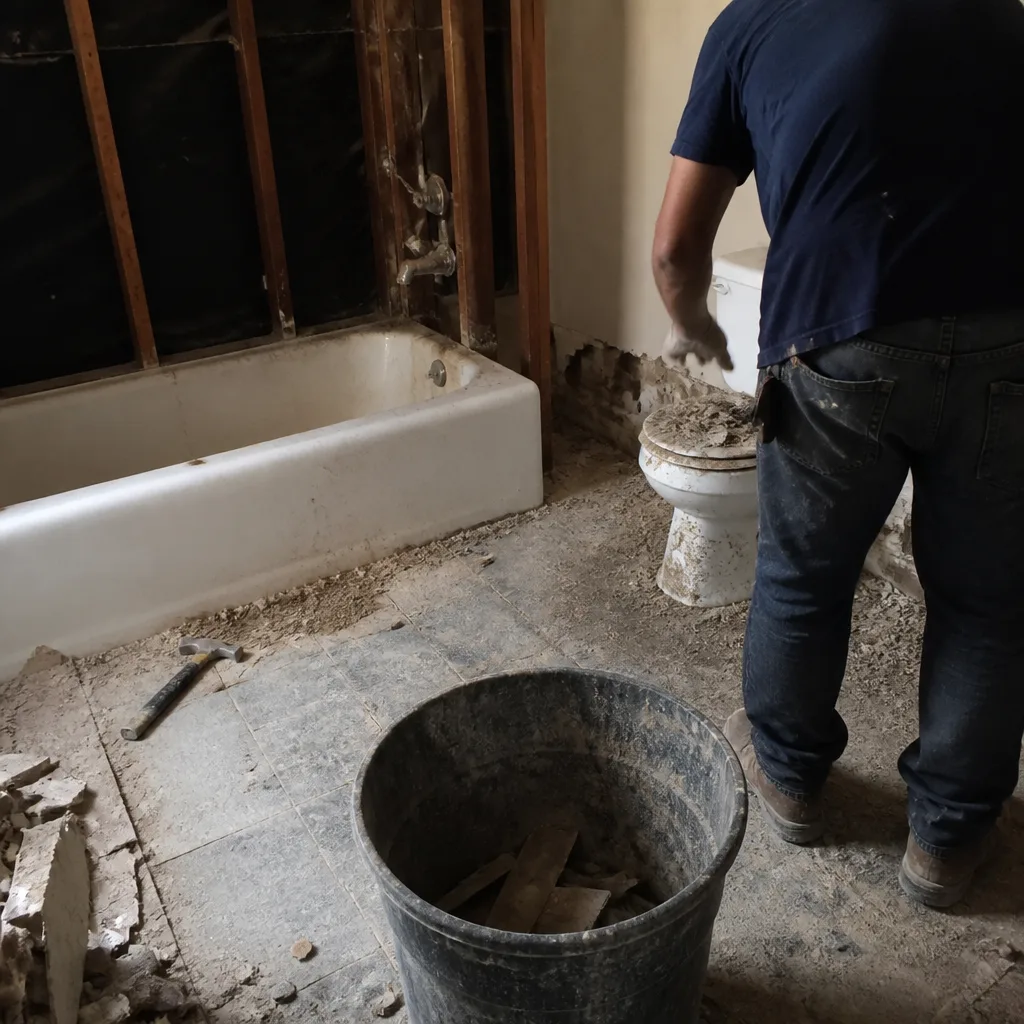 Before
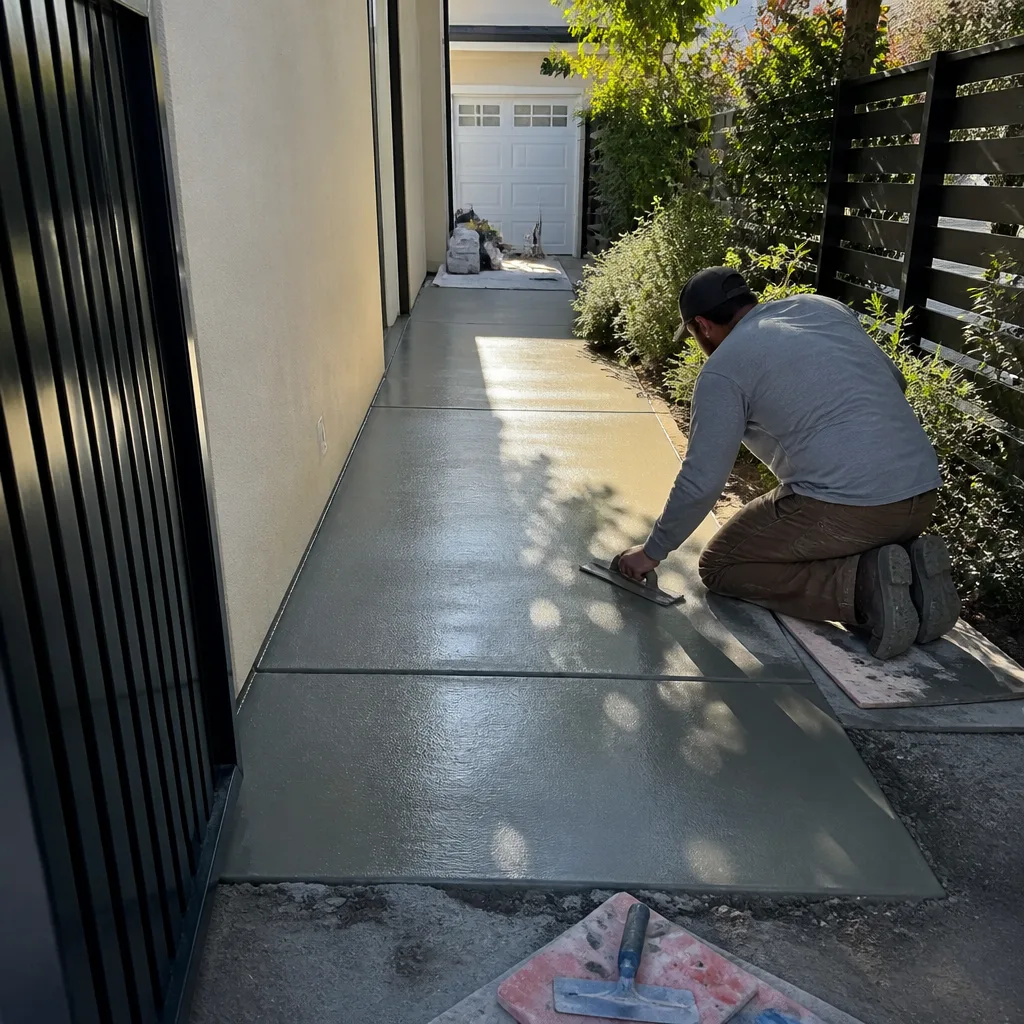 After
After Before
 After
After Before
 After
AfterSeasonal Construction Care for Sherman Oaks: Year-Round Homeowner’s Guide
LA County averages fewer than 15 inches of rain annually, but roughly 80% of that falls between November and March. In Sherman Oaks, that means a single cracked roof flashing or failed exterior caulk joint that opened during the summer heat has five-plus months to channel water before most homeowners notice the damage. We’ve inspected hundreds of homes here where a $200 caulk repair in September became a $6,000 subfloor replacement by February. This guide replaces generic spring-cleaning advice with a two-cycle maintenance calendar built for Sherman Oaks’ actual climate: a punishing dry season and a concentrated wet season that exploits every gap the dry season created. For a deeper look at local building considerations, see our Complete Guide to Construction in Sherman Oaks.
Quick Answer
Seasonal construction care in Sherman Oaks means maintaining on two cycles, not four: a pre-dry-season inspection in April-May to repair what winter moisture damaged, and a pre-wet-season inspection in September-October to seal gaps before the November-March rains. For related budgeting guidance, see our Construction Cost Breakdown: The Sherman Oaks Homeowner’s Reference for 2026. Homeowners who follow this calendar typically spend $400-$800 annually on preventive maintenance, versus $4,000-$12,000 on deferred repairs we see after a single wet season.
Table of Contents
- Why Sherman Oaks’ Two-Season Climate Destroys Homes Differently
- Pre-Dry-Season Checklist: April-May Repairs
- Pre-Wet-Season Checklist: September-October Sealing
- Santa Ana Wind Events: Roofing and Ventilation Stress
- The True Cost of Deferring One Season
- Building a Seasonal Maintenance Log for Resale Value
- Common Mistakes to Avoid
- When to Call a Professional
- Frequently Asked Questions
 Before
 After
AfterWhy Sherman Oaks’ Two-Season Climate Destroys Homes Differently
Most national maintenance guides assume four distinct seasons with gradual transitions. Sherman Oaks doesn’t work that way. From May through October, relative humidity routinely drops below 30%, temperatures exceed 90°F for weeks at a stretch, and UV exposure is intense at this latitude. Wood trim, caulk, and roofing materials shrink, harden, and crack under this sustained stress.
Then the pattern inverts. From November through March, Pacific storm systems drop concentrated rainfall. The 2022-2023 season brought over 20 inches to parts of the San Fernando Valley, well above the historical average. Materials that contracted and cracked over the summer now absorb moisture through those same fissures. Water follows gravity through paths that didn’t exist six months earlier.
We’ve documented this cycle repeatedly in Sherman Oaks neighborhoods from Van Nuys Boulevard to the Mulholland corridor. A home on Dickens Street we inspected in March 2023 showed paint failure at the south-facing eaves that began the previous June; by January, water had traveled the length of the rafter bay and saturated the exterior wall insulation. The homeowner noticed only when the interior drywall softened.
The critical insight: damage visible in winter was often initiated in summer. The reverse is also true. Repairs made in spring without addressing the underlying summer exposure pattern tend to fail again within 18 months.
This is why we structure maintenance around two transition windows:
- April-May: Assess and repair what the wet season revealed, before the dry season makes new damage
- September-October: Seal and secure everything before the wet season exploits summer-hardened gaps
Skip either window, and you’re not maintaining. You’re gambling.
Pre-Dry-Season Checklist: April-May Repairs
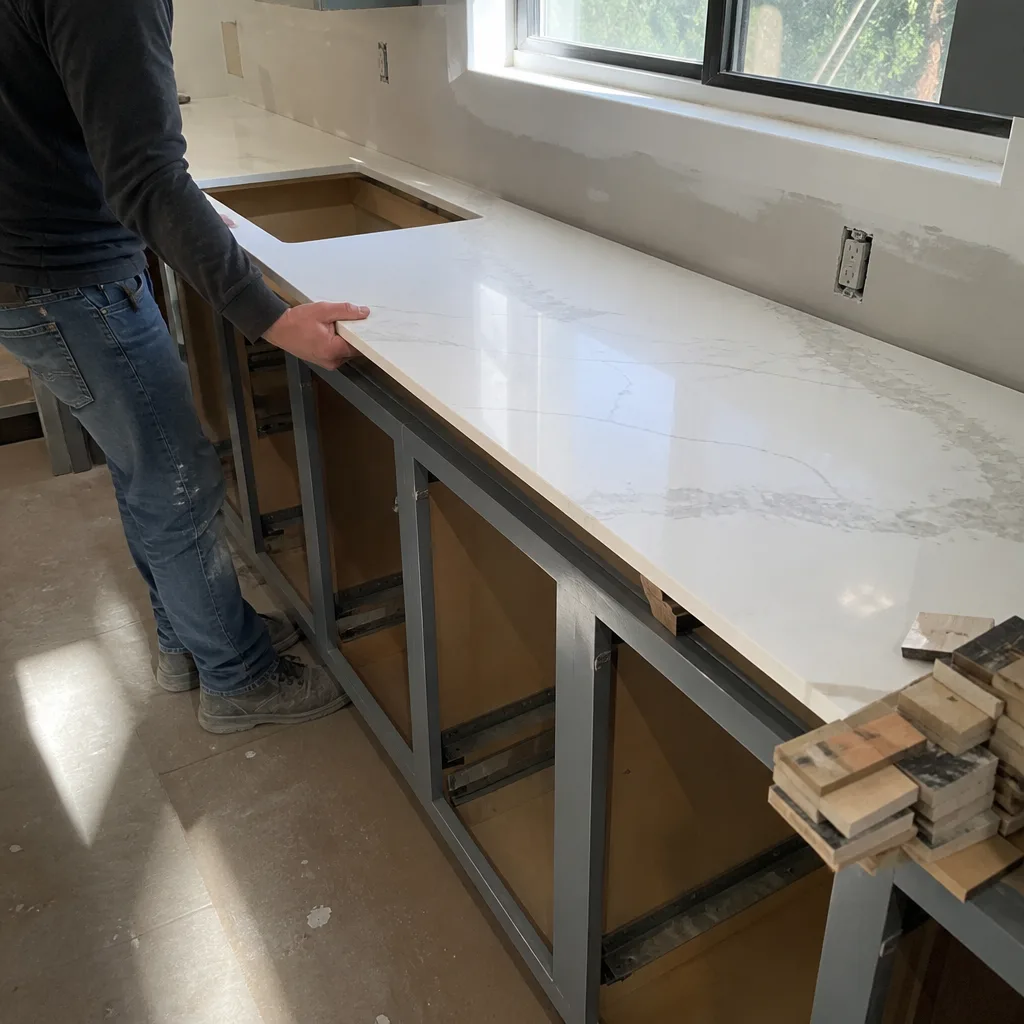
The wet season is ending. Before the dry heat returns and hides problems with contraction and evaporation, inspect for what moisture has already done. We recommend completing this checklist by mid-May in Sherman Oaks, before consistent 85°F+ days begin.
Inspect for Efflorescence on Masonry and Concrete
Efflorescence is the white, powdery deposit that appears on brick, stucco, and concrete surfaces. It’s salt left behind when water migrates through the material and evaporates. In Sherman Oaks, we see it most often on:
- Foundation walls below grade, especially on north-facing exposures
- Retaining walls in the hillside neighborhoods near Beverly Glen and Mulholland Drive
- Stucco bases where irrigation systems spray repeatedly
Efflorescence itself is cosmetic, but it signals active water movement through the material. The water is carrying dissolved minerals; it’s also carrying the potential for spalling (surface flaking) and, in freeze-thaw climates, structural damage. Sherman Oaks rarely freezes, but the repeated wet-dry cycling weakens the cement matrix over time.
What to document: Photograph the location and extent. Note whether the deposit is powdery (active, recent) or crystalline and hard (chronic, long-term). Measure the height above grade. If efflorescence extends more than 12 inches up a foundation wall, or appears on interior basement or crawl space walls, water is likely pooling against the exterior. The fix may be grading, drainage, or a waterproofing membrane, not just surface cleaning.
Check Paint and Caulk at Seams and Transitions
Walk the exterior with attention to horizontal surfaces and material transitions:
- Window sills and heads: Look for paint lifting, cracking, or alligatoring (a pattern of small rectangular cracks). These indicate moisture trapped behind the paint film, usually from failed caulk at the window-to-wall joint.
- Door thresholds: Check for soft spots in wood or composite thresholds, and for gaps between the threshold and the door frame. Water pools here during rain events.
- Fascia and soffit joints: The junction where the horizontal soffit meets the vertical fascia board is a common failure point. Look for gaps, separated paint, or stained wood indicating water has been running behind the gutter.
- Stucco control joints: These intentional gaps allow stucco panels to expand and contract. The sealant within them should be flexible and continuous. If it’s hard, cracked, or missing, water enters the wall cavity directly.
In Sherman Oaks, south- and west-facing exposures deteriorate fastest due to UV and thermal cycling. Prioritize these elevations.
Probe for Subfloor and Framing Soft Spots
This step requires access to crawl spaces, unfinished basements, or attic spaces above porches. Use a screwdriver with a flat blade to probe wood members:
- At the perimeter of the house, where foundation meets sill plate
- Below plumbing fixtures, especially tubs and showers on exterior walls
- At cantilevered floor areas (bays, bump-outs) where the floor extends past the foundation
- In attics, at the top plate where roof leaks first contact framing
Sound wood resists the probe. Decayed wood yields easily, often with visible fungal growth or a musty odor. In Sherman Oaks, we find subfloor damage most often in bathrooms with original tile installations from the 1960s-1980s, where the waterproofing membrane (a layer between tile and subfloor) has failed. The tile looks fine; the subfloor beneath is punky.
Document everything. A photo of the probe test, with the location noted, becomes evidence for your maintenance log and for any future insurance or disclosure need.
Service Irrigation and Drainage Systems
Before summer water demand peaks:
- Run each irrigation zone and observe for broken heads, misaligned spray patterns hitting the house, or pooling
- Clear French drains, area drains, and gutter downspout extensions of debris accumulated over winter
- Test sump pumps if your property has a basement or low-lying crawl space
In the Sherman Oaks Hills area, where many homes sit on slopes with perimeter drainage systems, we’ve found that winter debris flows from upslope properties clog outlet points precisely when spring rains still occur. A drain that worked in October may be blocked by April.
Pre-Wet-Season Checklist: September-October Sealing
This is the higher-stakes inspection. Everything you seal now has to survive five-plus months of concentrated rainfall. The goal is to close every gap the dry season opened, before the first significant storm, typically in late October or early November.
Roof Penetrations and Flashing
Roof penetrations, where pipes, vents, or equipment pass through the roof surface, are the most common leak sources we investigate in Sherman Oaks. The combination of summer UV degradation and thermal movement stresses these joints continuously.
Inspect in this order:
- Plumbing vent flashings: These are typically rubber boots that seal around PVC vent pipes. The rubber hardens and cracks in 7-12 years in this climate. Look for radial cracks, gaps between the boot and pipe, or boot collars that have slid down the pipe. A failed boot is a direct path for water into the attic.
- Furnace and water heater vents: Metal B-vent penetrations use a storm collar (a metal ring) above the flashing, sealed with high-temperature sealant. The sealant degrades faster than the metal. If the collar moves when touched, reseal it.
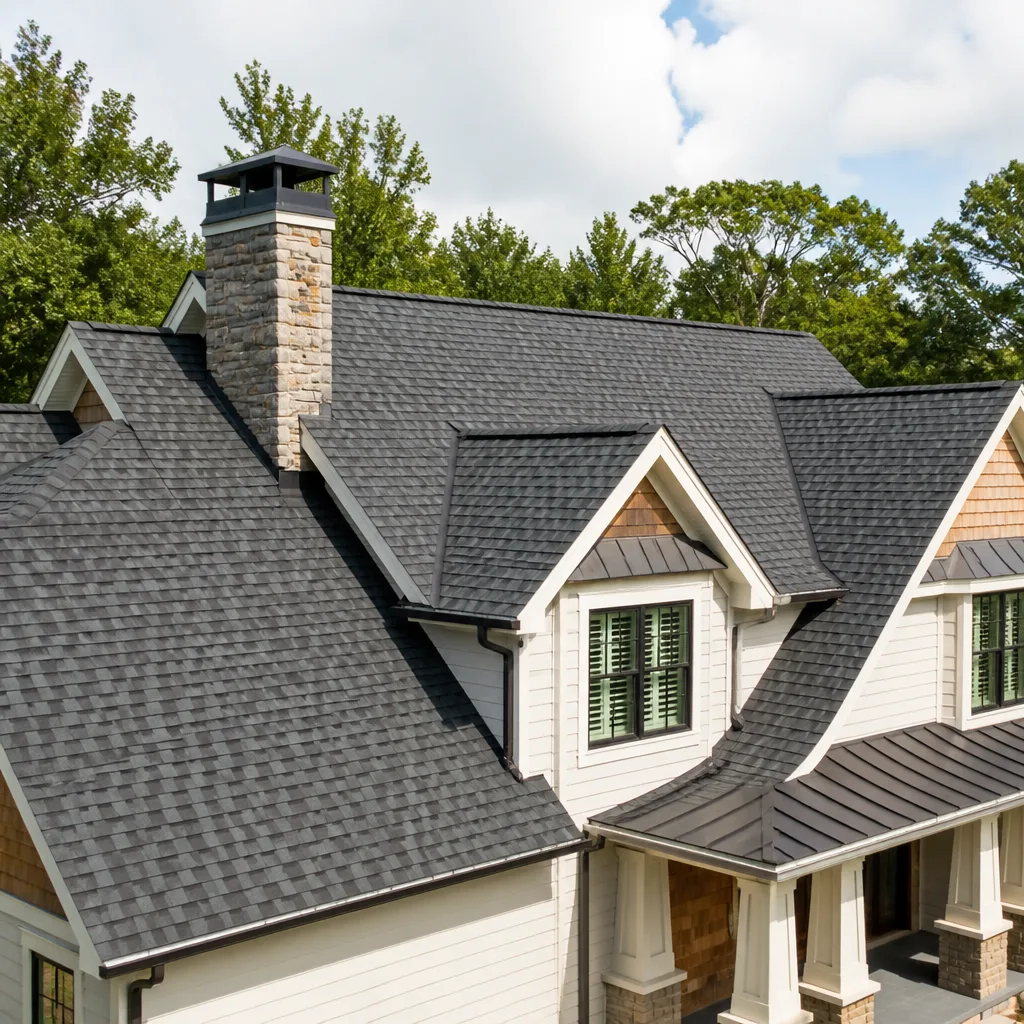
- Chimney cricket and step flashing: The cricket is the small peaked structure behind a chimney on the upslope side, designed to divert water around it. Step flashing is the L-shaped metal pieces woven into each shingle course where the chimney meets the roof plane. Both are critical and both are often installed incorrectly on original construction. Look for gaps, rust, or sealant that has separated from the masonry.
- Skylight perimeters: Caulk and flashing at skylights fail predictably. Check the interior for stains first, then the exterior for caulk condition.
Sealant selection matters. For metal-to-masonry joints (chimney flashing, step flashing), use a polyurethane sealant rated for exterior masonry, such as Sikaflex 1a or equivalent. For metal-to-metal or metal-to-rubber joints (vent collars, small gaps), a high-quality silicone or modified silicone like GE SCS2000 works. Never use acrylic latex caulk on roofs; it shrinks and fails within one season.
For shingle roofs, we typically specify Owens Corning or IKO systems when replacement is needed, but maintenance sealant work is brand-agnostic. The sealant quality and application matter more than the shingle brand for leak prevention.
Exterior Caulk at Windows and Doors
Remove and replace failed caulk, don’t just add more over it. The process:
- Cut out old caulk with a utility knife or specialized removal tool
- Clean the joint with mineral spirits (for silicone residue) or soap and water
- Apply painter’s tape for clean edges if appearance matters
- Fill the joint with backer rod (foam cylinder) if the gap exceeds 1/4 inch
- Apply sealant with a smooth, continuous bead, tooling it into the joint
Sealant type by substrate:
- Wood to wood or wood to masonry: High-quality acrylic latex with silicone, paintable, 35-year rating minimum (Sherwin-Williams 850A, DAP Dynaflex 230)
- Metal to masonry or metal to metal: Polyurethane, not paintable but far more durable (Sikaflex, Vulkem)
- Wet areas (sills, thresholds): Hybrid or modified silicone with mildew resistance
In Sherman Oaks, we see the most caulk failures at aluminum window frames meeting stucco. The aluminum expands and contracts significantly; the stucco does not. A flexible sealant is essential, and the joint should be detailed to accommodate movement, not just filled.
Gutter Condition and Downspout Extensions
Clean gutters thoroughly. Then inspect:
- Seams and end caps: Re-seal with gutter sealant (butyl rubber or specialized gutter caulk, not standard silicone)
- Hangers and spikes: Tighten or replace; gutters should slope 1/4 inch per 10 feet toward the downspout
- Downspout extensions: Must carry water at least 6 feet from the foundation, and must not discharge onto hard surfaces that drain back toward the house
Many Sherman Oaks homes built in the 1950s-1970s have original downspouts that terminate at the foundation. This is a code violation under current standards and a direct cause of foundation moisture problems. Extensions are inexpensive; foundation repair is not.
Site Drainage and Hardscape
Walk the property during or immediately after irrigation:
- Water should flow away from the foundation on all sides
- Hardscape (patios, walkways) should not create dams that pool water against the house
- Planter beds against the house should be minimum 6 inches below sill plate height
On sloped lots common in Sherman Oaks Hills and Stone Canyon, check that upslope drainage is intercepted before it reaches the structure. Surface drains or swales may be needed.
Santa Ana Wind Events: Roofing and Ventilation Stress
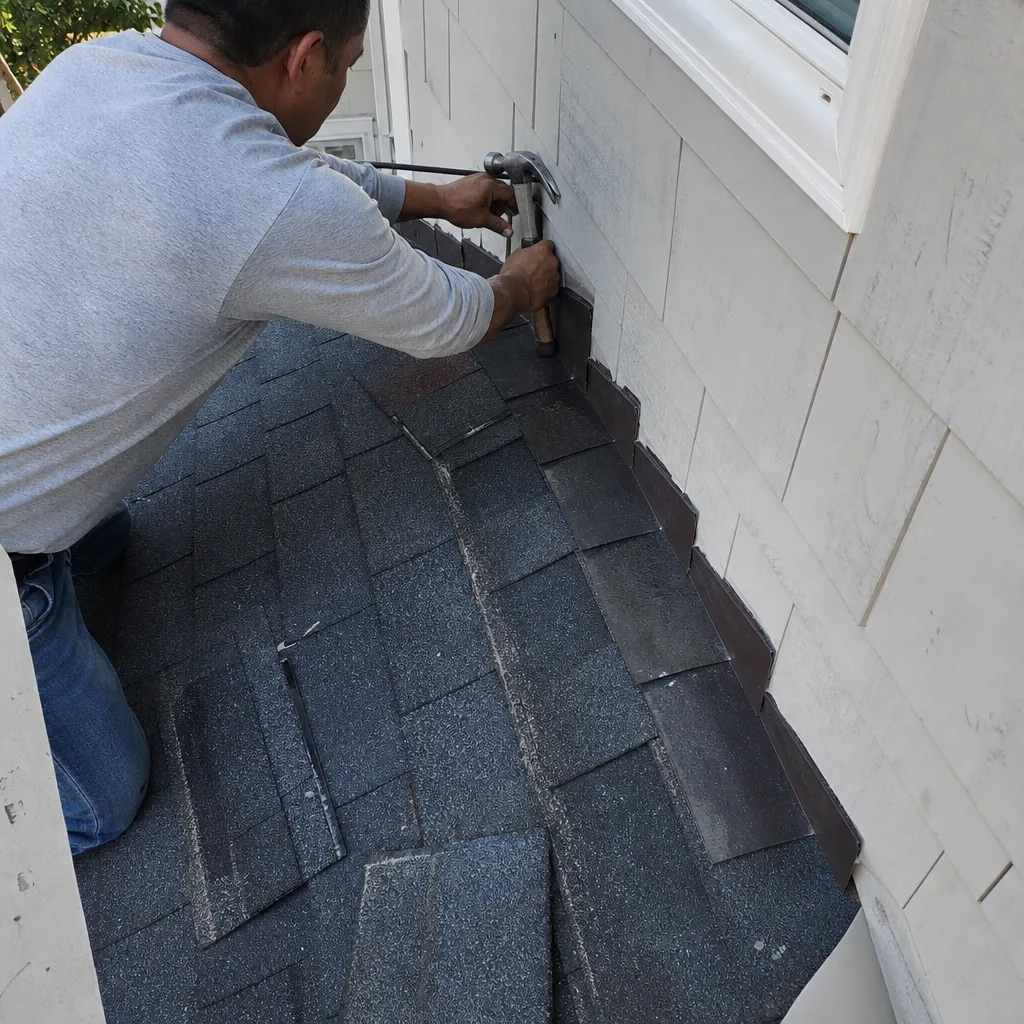
The Santa Ana winds typically peak in October through December, though they can occur any time. Sustained winds of 25-45 mph with gusts to 60+ create specific construction stresses that standard maintenance guides ignore.
Roofing Fastener Stress
Asphalt shingles are rated for wind uplift, but the rating assumes proper fastening. In Sherman Oaks, we inspect after every significant Santa Ana event and commonly find:
- Missed nails: Fasteners that missed the nail line or the decking entirely, often from rushed original installation
- Under-driven nails: Heads that sit above the shingle surface, allowing wind to lift the tab
- Seal strip failure: The self-sealing asphalt strip between shingle tabs degrades with age and heat; wind separates the tabs
Shingle manufacturers including Atlas and Tamko specify six nails per shingle in high-wind zones rather than four. Most of Sherman Oaks is not formally classified as high-wind, but the Santa Anas create localized conditions that exceed standard ratings. When we replace roofs in this area, we follow the six-nail specification regardless.
Post-wind inspection: After any Santa Ana event with gusts above 50 mph, walk the perimeter and look for shingle tabs lifted or creased, granule accumulation in gutters or at downspouts, and any debris that may have damaged the roof surface. Binoculars help; do not climb on the roof in wind conditions.
Attic Ventilation System Stress
Ridge vents, off-ridge vents, and turbine vents are designed to exhaust attic air. In Santa Ana conditions, they become intake points for pressurized wind. We’ve found:
- Ridge vent sections blown completely off, exposing the ridge beam to direct water entry
- Turbine vent bearings seized from grit infiltration, then bent or detached by wind pressure
- Soffit vents blocked by insulation or debris, creating unbalanced pressure that forces air (and water) through ceiling penetrations
Balanced attic ventilation requires approximately equal intake (soffit) and exhaust (ridge) area. After any wind event, verify that all vents are intact, clean, and unobstructed. Unbalanced ventilation in Santa Ana conditions accelerates moisture problems in winter and heat buildup in summer.
Exterior Structure and Appurtenances
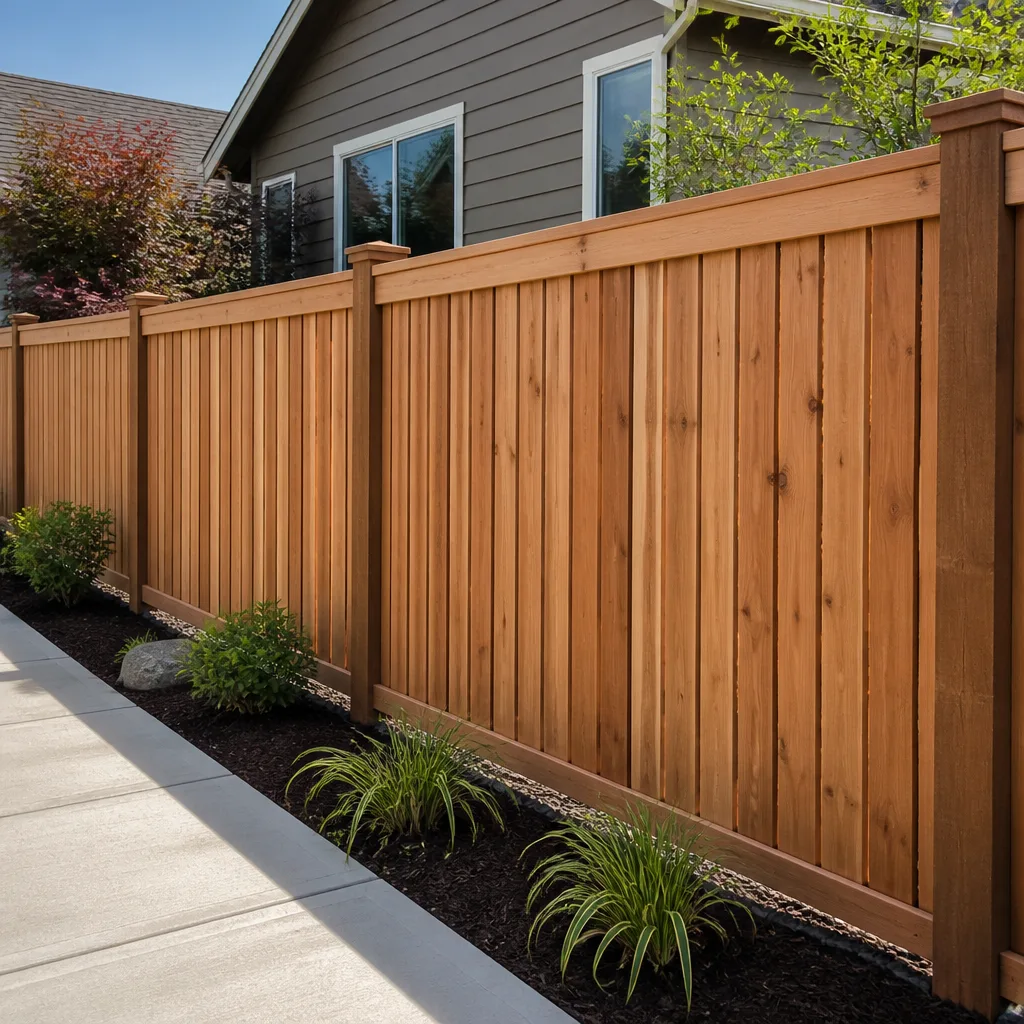
Fences, gates, patio covers, and detached structures take the brunt of Santa Ana winds. In Sherman Oaks, we see fence failures most often on east-west runs perpendicular to the typical Santa Ana direction (northeast to southwest). Posts rot at the base; the wind lever does the rest.
Check fence posts for movement, rot, or separation from the concrete footing. A post that moves at the base will fail in a significant wind event. Rowan Construction Group Sherman Oaks home includes fence installation among our trades, and we specify pressure-treated posts with proper drainage at the footing for this exact reason.
The True Cost of Deferring One Season
We maintain cost records across our 4,000-plus projects. The pattern is consistent: maintenance deferred one full cycle in Sherman Oaks’ climate typically escalates costs by a factor of 10 or more. Browse our more guides & resources for additional maintenance strategies. Here are specific examples from our files.
Roofing: Failed Flashing to Structural Repair
A plumbing vent boot with radial cracks costs approximately $180-$340 to replace, including sealant and labor. If water enters through that crack and travels the rafter bay for one wet season, typical damage includes:
- Insulation saturation and replacement: $800-$1,400
- Drywall ceiling repair and repainting: $1,200-$2,800
- Rafter sistering or repair if decayed: $1,500-$4,000
Total deferred cost: $3,500-$8,500. The original $250 repair was visible and accessible in October.
Exterior Trim: Paint Failure to Sill Replacement
Window sill paint failure with minor wood checking costs $350-$600 to sand, prime, and repaint with proper preparation. Deferred one dry season plus one wet season, the wood rots through:
- Sill replacement (including removal, matching, installation): $1,800-$3,200
- Adjacent siding repair from water damage: $900-$2,400
- Interior trim and drywall if water entered the wall: $1,200-$2,800
Total deferred cost: $3,900-$8,400. The paint failure was visible from the ground.
Drainage: Clogged Gutter to Foundation Repair
Gutter cleaning and minor repair: $200-$400. A clogged gutter overflows for one wet season, saturating the foundation perimeter:
- Foundation crack repair (epoxy injection): $2,500-$5,000
- Exterior waterproofing and drainage improvement: $8,000-$18,000
- Interior slab repair if heave occurs: $4,000-$12,000
Total deferred cost: $14,500-$35,000. The clogged gutter was visible from a ladder.
These are not hypothetical ranges. They are documented project costs from Sherman Oaks homes we’ve repaired after deferred maintenance. Under Clause 1 of the Haven Standard, we put the written price before any work starts, every time, but we cannot make deferred damage less expensive than prevention.
Building a Seasonal Maintenance Log for Resale Value
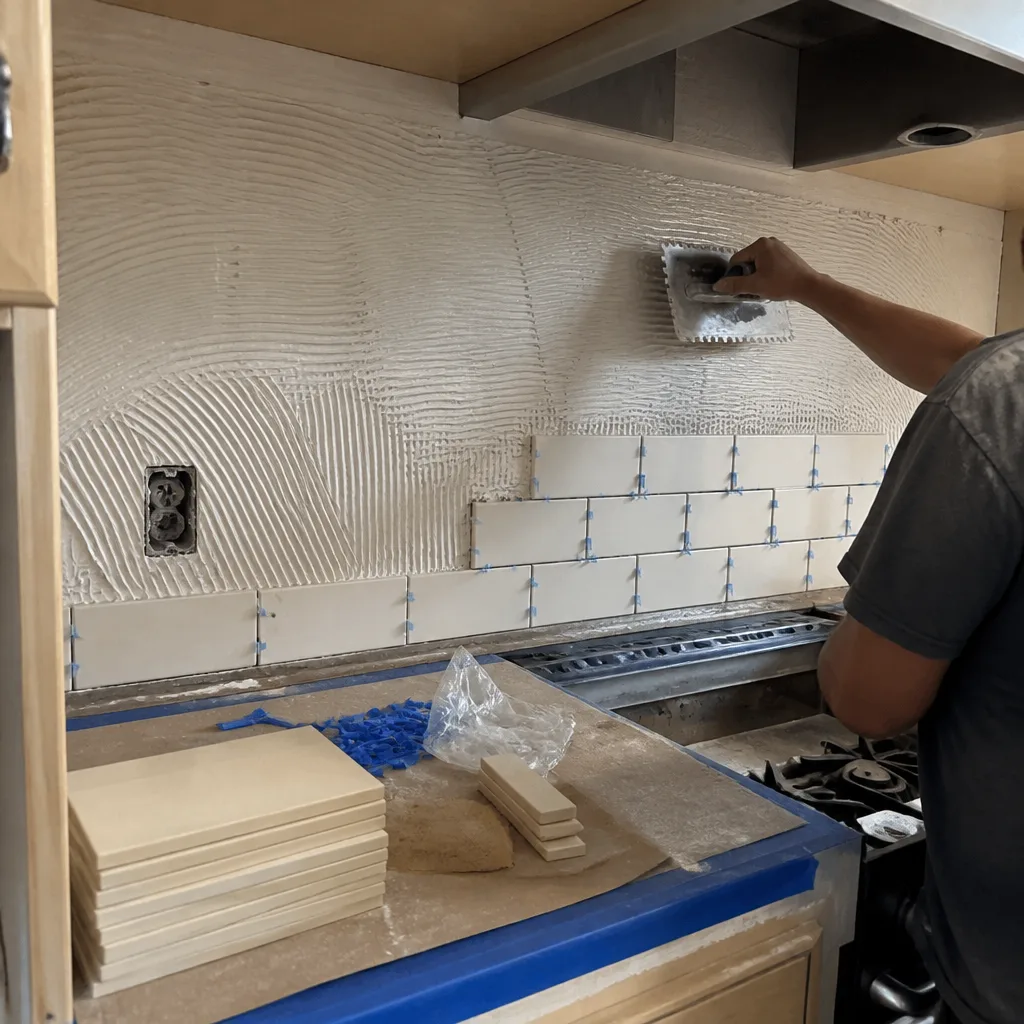
California’s Transfer Disclosure Statement (TDS) and Seller Property Questionnaire (SPQ) require disclosure of material defects and repairs. A documented maintenance log transforms from a personal tool to a direct financial asset at resale.
What to Record
For each inspection or repair, document:
- Date and weather conditions: “October 14, 2024, 78°F, no rain for 14 days prior”
- Location: Specific address, elevation (south-facing rear), and feature (second-floor bathroom window, east sill)
- Condition observed: Objective description with measurements. “Caulk at window frame-to-stucco joint: continuous but hardened, no longer flexible when pressed with fingernail. Gap width 1/8 inch at center.”
- Action taken: “Removed existing caulk with utility knife and scraper. Cleaned with mineral spirits. Applied DAP Dynaflex 230, tooled smooth. Photographed completed joint.”
- Product used: Brand, product name, color, batch or lot number if available
- Contractor or person performing work: Name, company, license number if applicable
- Photographs: Before, during, after, with date stamp
- Cost: Materials and labor, with receipt attached
Storage and Format
We recommend a physical binder with plastic sleeves for receipts and photos, plus digital backup in at least two locations (cloud storage and local drive). The physical binder demonstrates to buyers that the log was maintained in real time, not assembled for sale.
Resale Value Impact
In Sherman Oaks’ competitive market, buyers with inspection continggencies use disclosed maintenance records to distinguish between a home that’s been monitored and one that’s been neglected. A complete log:
- Reduces buyer uncertainty, supporting the asking price
- Provides evidence that disclosed conditions were addressed, reducing liability
- Demonstrates systems thinking that buyers value in high-maintenance climates
We’ve had sellers report that their maintenance log was specifically cited by buyers as a deciding factor. In a market where Sherman Oaks homes from the 1950s-1970s dominate inventory, documentation distinguishes the maintained minority.
Common Mistakes to Avoid
- Inspecting only after visible interior damage appears. By the time drywall stains show, framing has been wet for weeks or months. Inspect the exterior proactively; interior evidence is lagging, not leading.
- Using interior caulk on exterior applications. Acrylic latex labeled “paintable” or “interior/exterior” often lacks the flexibility and UV resistance for Sherman Oaks’ sun exposure. Exterior joints need products rated for 50-year performance or equivalent.
- Ignoring north-facing elevations. These receive less sun, stay wet longer after rain, and accumulate organic growth that retains moisture. They’re where we find the most advanced decay, precisely because homeowners don’t look there.
- Pressure-washing stucco or wood siding. The force drives water into joints and behind surfaces, creating the exact moisture problems maintenance is meant to prevent. Use low-pressure rinse with appropriate cleaners.
- Deferring gutter maintenance until “after the holidays.” In Sherman Oaks, the heaviest rain typically falls December through February. Gutters clogged in October will overflow through the entire peak season. Schedule cleaning before November 1.
- Failing to photograph and document. Memory is unreliable; buyer disclosure requirements are not. A photo with a date stamp is evidence. A verbal recollection is not.
- Assuming new construction doesn’t need maintenance. We’ve inspected homes less than five years old with failed flashing, missing kickout diverters, and grade sloped toward the foundation. Building code compliance and proper construction are not the same as ongoing maintenance.
When to Call a Professional
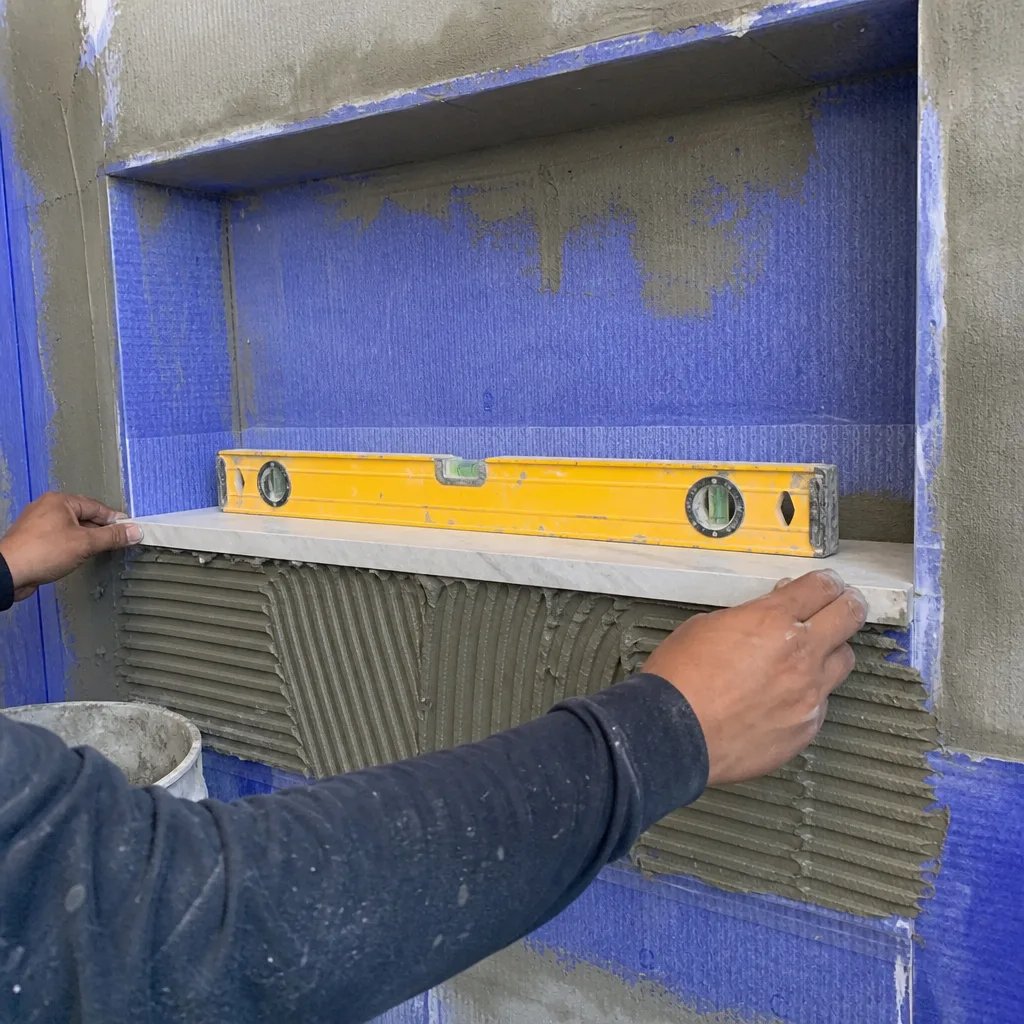
Some conditions exceed homeowner maintenance and require trained assessment. Call a licensed contractor when you find:
- Structural wood decay (probe penetrates more than 1/4 inch, or member is soft throughout)
- Roof leaks with visible interior damage, or multiple leak points
- Foundation cracks that are widening, offset, or accompanied by floor slope changes
- Electrical components (outlets, fixtures, panels) that have been wet
- Any condition where you’re uncertain of the cause or appropriate repair
Rowan Construction Group Sherman Oaks offers free estimates in Sherman Oaks. We’ll inspect, document with our standard photo record, and provide a written price before any work starts. Call (213) 221-0788 to schedule. Under the Haven Standard, that written price includes scope, warranty terms, and the 365-Day Done Right Promise. No change proceeds without a signed change order, which is the discipline that has kept our projects within a few percent of the agreed cost since 2007.
Frequently Asked Questions
Homeowners who follow a two-cycle maintenance calendar typically spend $400-$800 annually on materials and minor repairs they handle themselves, plus $800-$2,500 every 3-5 years for professional services like roof inspection, gutter replacement, or drainage improvement. Deferred maintenance that escalates to replacement typically costs $4,000-$12,000 or more. Call (213) 221-0788 for an exact quote on any specific concern - estimates are free.
Attic ventilation balance is the most commonly overlooked item we find. Homeowners inspect roofs and gutters but rarely verify that soffit vents are unobstructed and that ridge vents are intact. Unbalanced ventilation creates moisture problems in winter and heat damage in summer, both invisible until they’re expensive. A 15-minute attic inspection in April and October prevents this.
At Rowan Construction Group Sherman Oaks, no. Under Clause 1 of the Haven Standard, the price is written before any work starts, every time. If we discover a condition that requires additional scope, we stop, document with photos, and provide a written change order with a new fixed price. No work proceeds on a change until the change order is signed. This discipline is why our projects finish within a few percent of the original agreed price.
Pure maintenance - cleaning, caulking, painting, gutter repair - typically does not require permits. Replacement of roofing, windows, or structural repairs may require permits under Los Angeles City or County code, depending on your specific Sherman Oaks address. We pull all required permits as standard practice on any project we undertake, and we pass all inspections. If you’re uncertain whether a specific repair needs permitting, call us at (213) 221-0788 and we’ll clarify at no charge.
Santa Ana winds create uplift pressure on shingle tabs, exploit any fastening deficiency, and drive debris that impacts and tears roofing. The winds are often accompanied by low humidity that makes shingles brittle. We recommend a specific post-wind inspection checklist: check for lifted or creased tabs, granule loss in gutters, and vent damage. After significant events, a professional inspection is warranted, especially on roofs over 15 years old.
A thorough homeowner inspection of a typical 1,500-2,500 square foot Sherman Oaks home takes 2-3 hours for the exterior, plus 30-45 minutes for accessible interior spaces (crawl space, attic, basement). Professional inspections we perform include the documented photo record and typically require 1.5-2 hours on site, plus report preparation. The time investment is modest compared to the cost of deferred repairs.
We do not offer a subscription maintenance program. We provide scheduled inspections on request, with a written report and photo documentation, priced as a flat fee before the visit. Many Sherman Oaks homeowners schedule these annually in September, before the wet season. Call (213) 221-0788 to arrange a pre-wet-season inspection - estimates are free, and the inspection price is fixed in writing before we arrive.
The Bottom Line
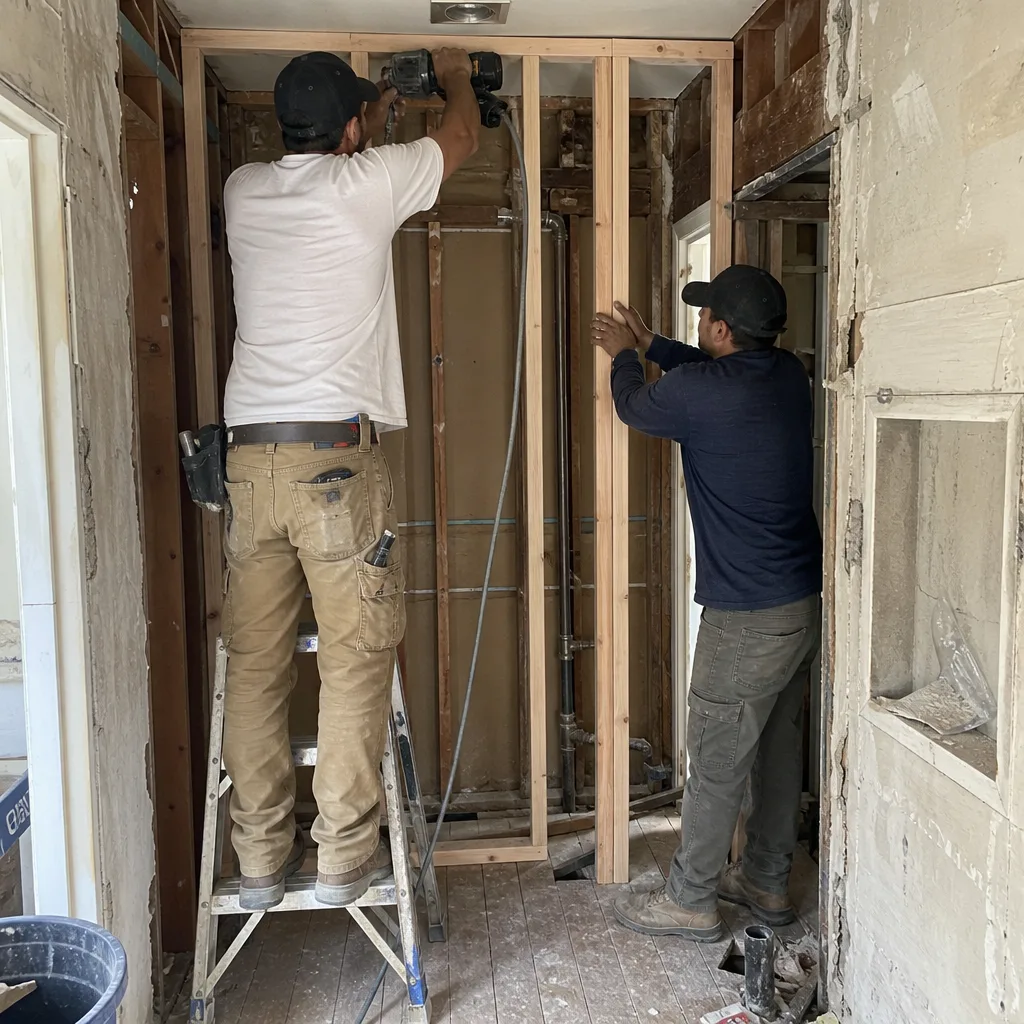
Sherman Oaks’ climate doesn’t reward generic maintenance advice. The dry season opens gaps; the wet season exploits them. A homeowner who inspects in April-May to repair what winter revealed, then seals thoroughly in September-October before the rains return, spends modestly and prevents catastrophically. The key disciplines are specific: use the right sealant for each substrate, document everything with photos and dates, and never defer a repair that will be harder to reach after five months of rain. For any condition beyond your comfort or skill, Rowan Construction Group Sherman Oaks provides written prices before work starts, documented photo records with every visit, and the 365-Day Done Right Promise backed by the Haven Standard. The maintenance you do this season determines what you spend next season.
Written by Grant Rowan, Owner at Rowan Construction Group Sherman Oaks, serving Sherman Oaks since 2007.