
Last updated September 24, 2026
Free written scope consultation - allowances, timeline, and change-order rules on paper before a single trade is scheduled
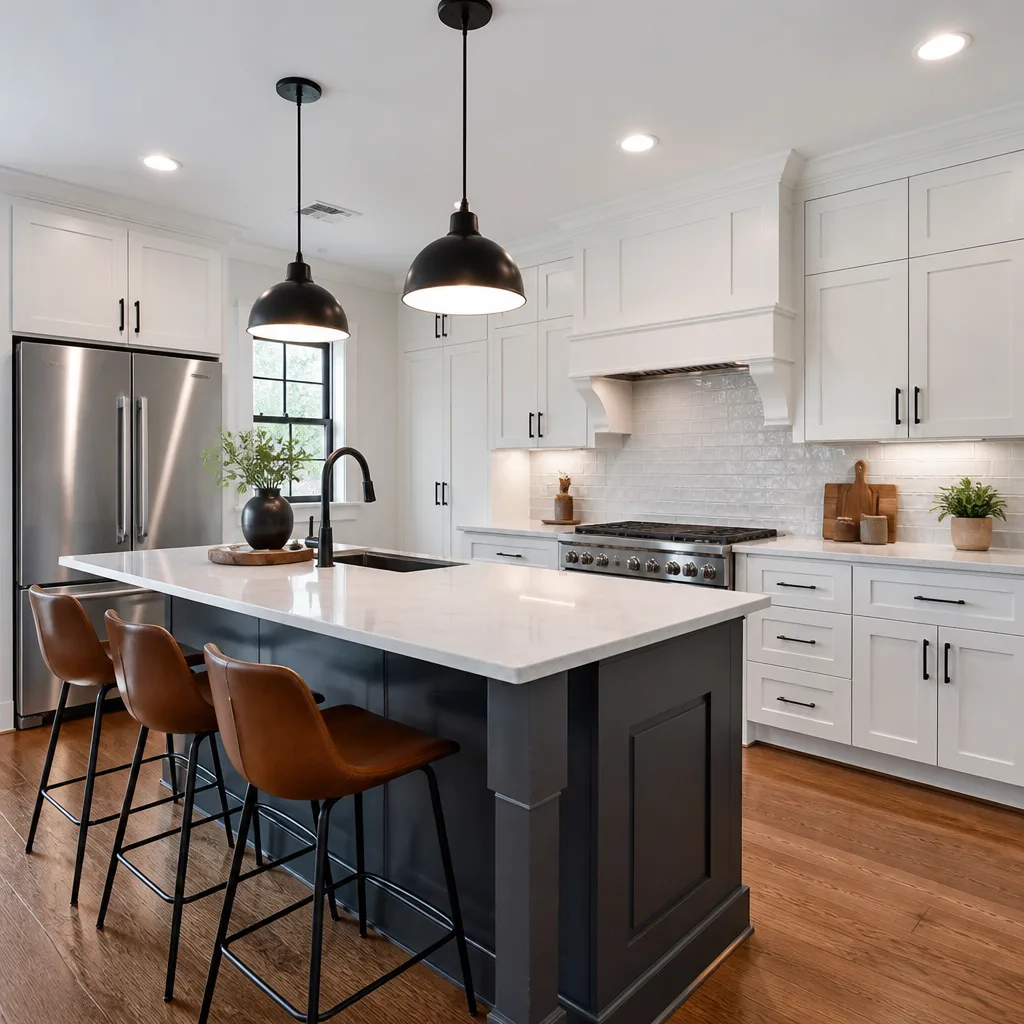
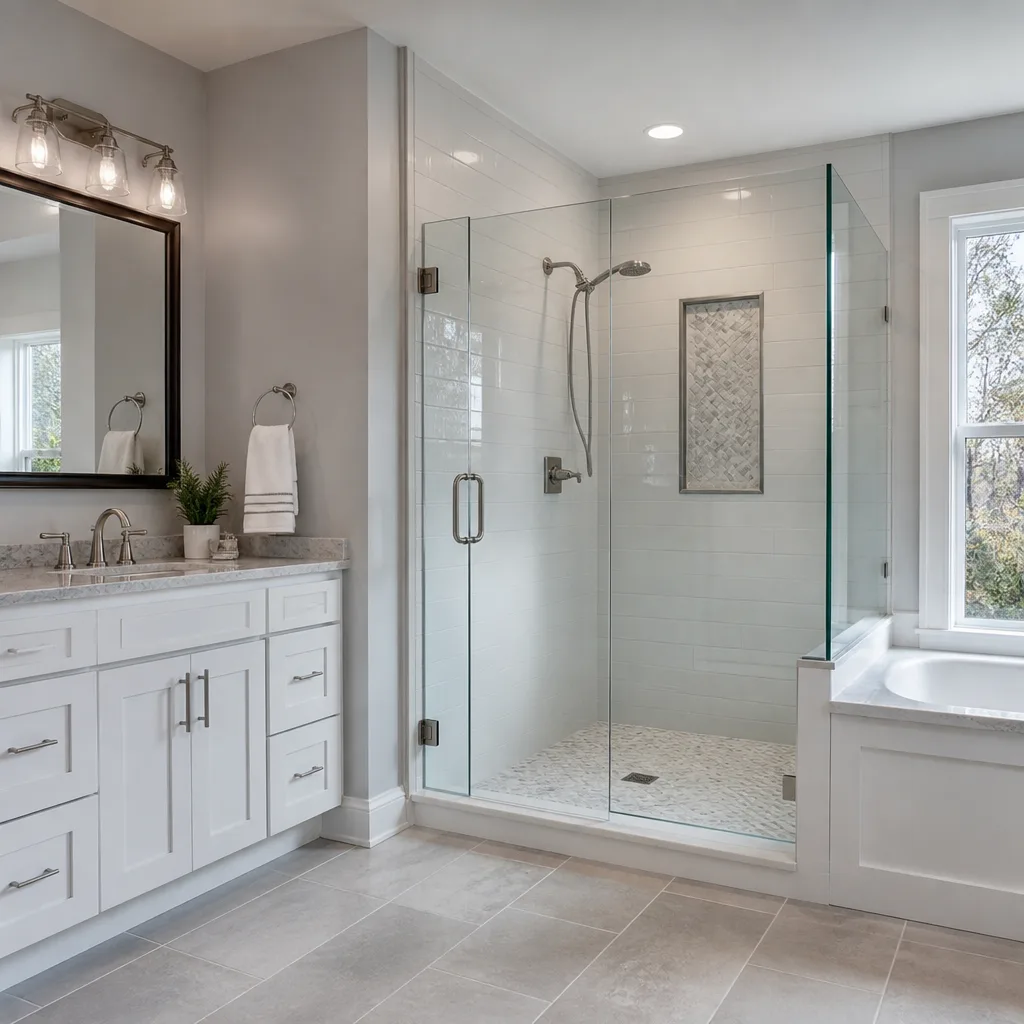
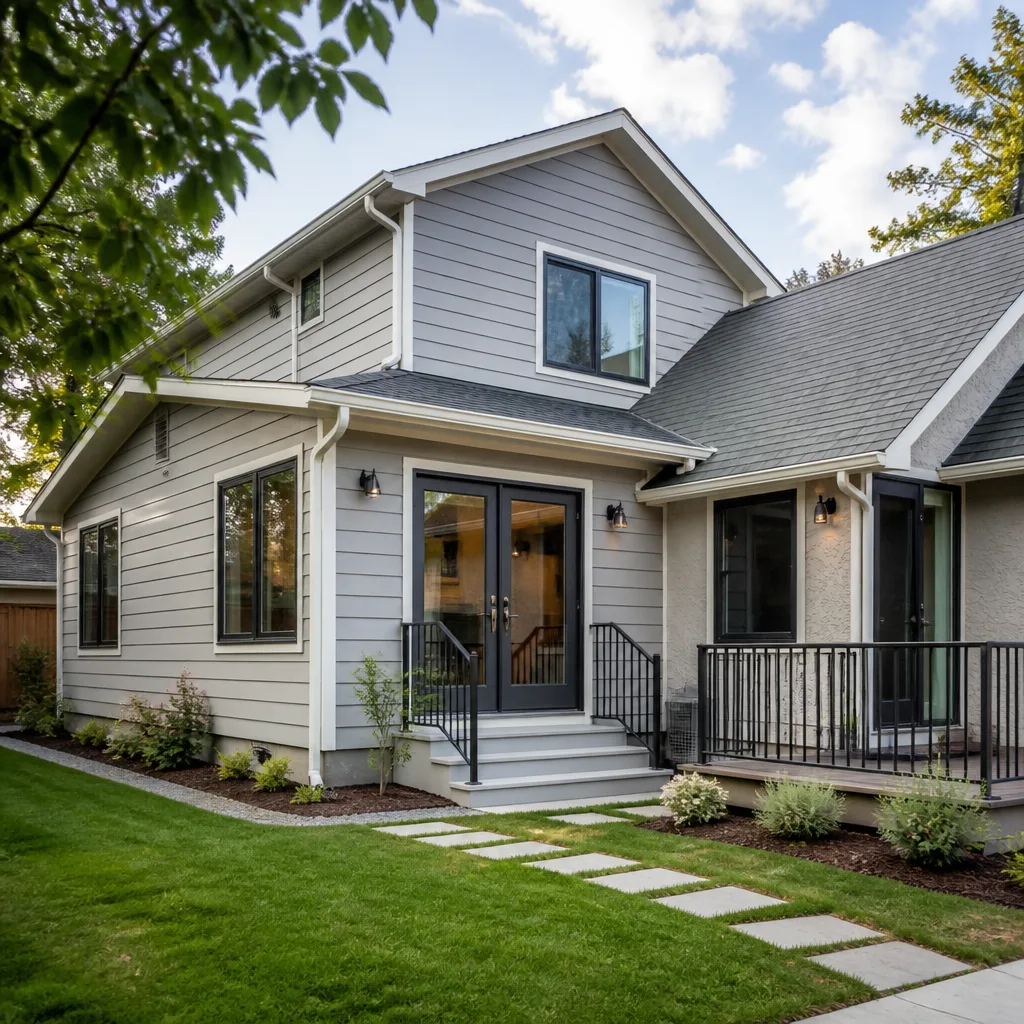
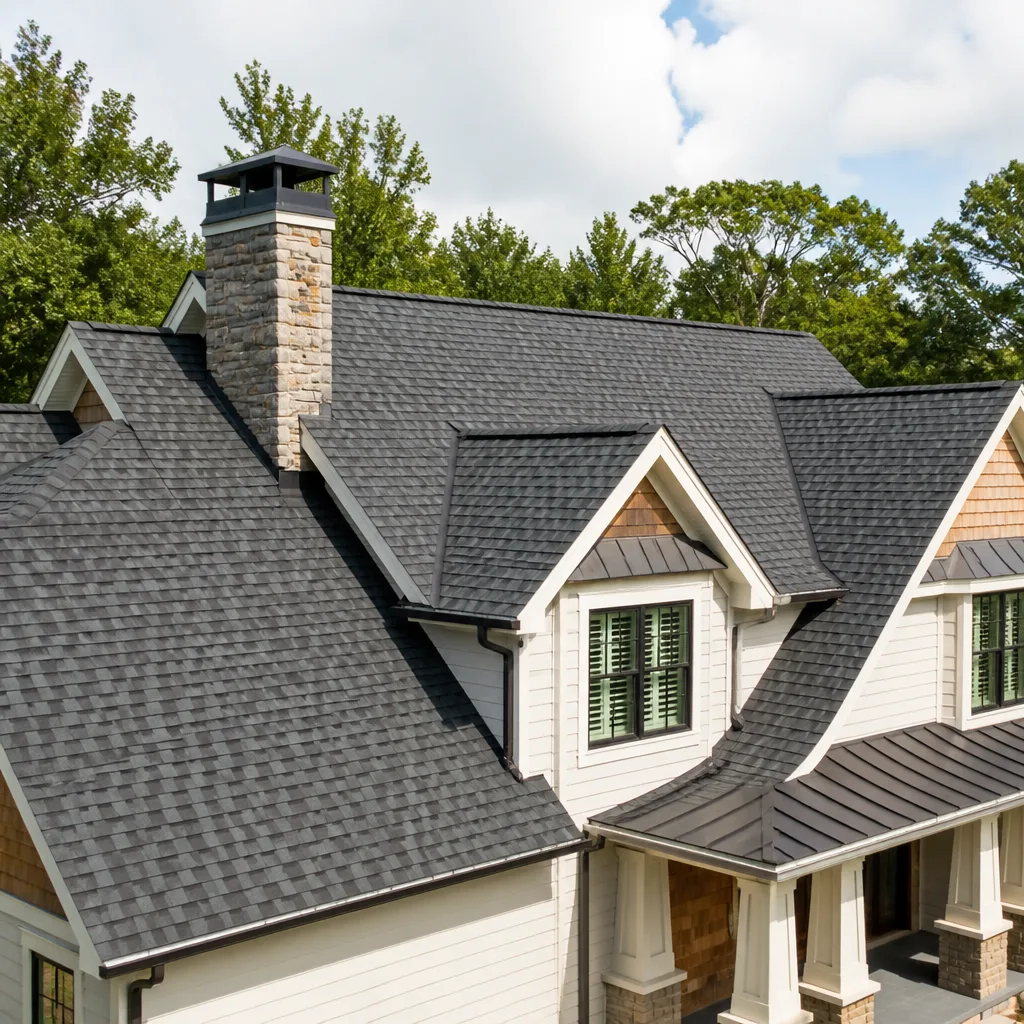
 Before
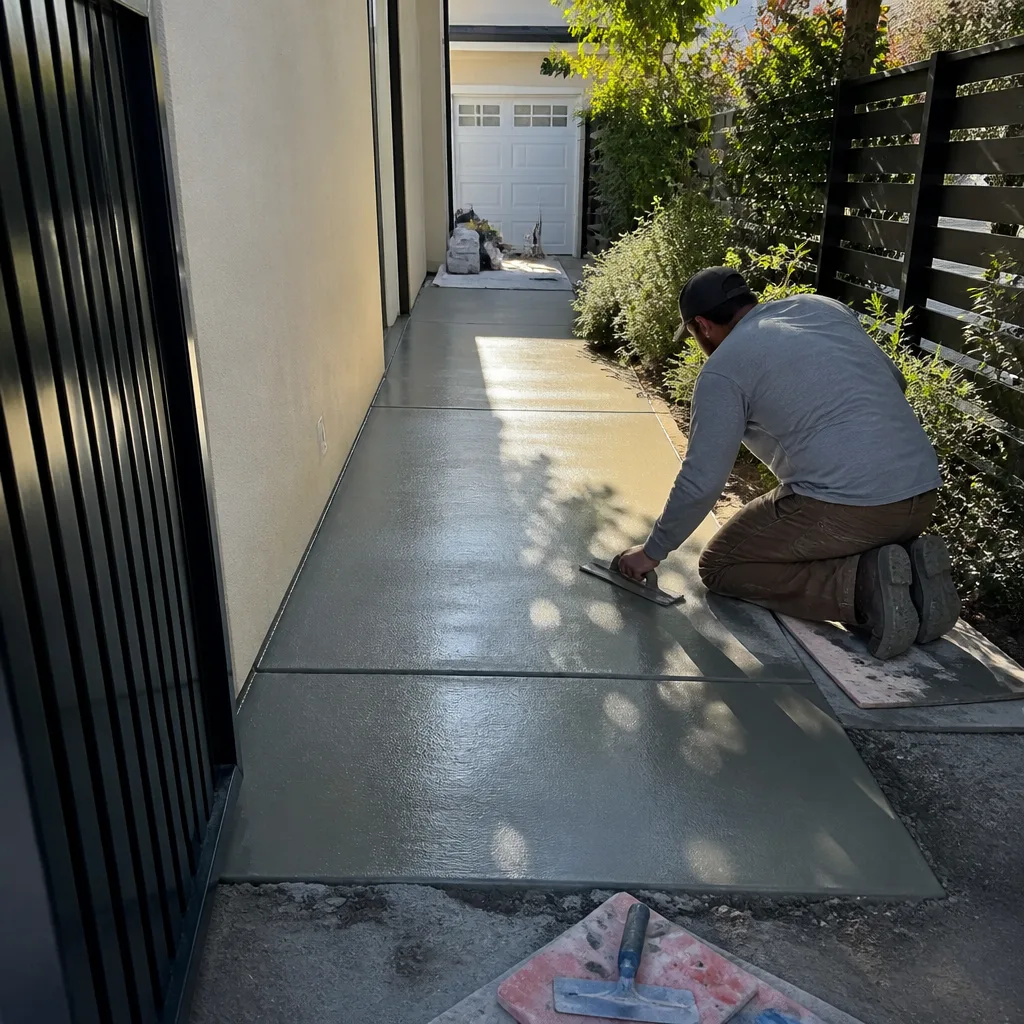 After
After Before
 After
After Before
 After
AfterDIY vs Professional Construction: The Sherman Oaks Homeowner’s Decision Guide
A Sherman Oaks homeowner who installs their own water heater without a permit and later sells the property is required under California Civil Code 1102 to disclose that unpermitted work. When the buyer’s inspector finds it, the $800 saved on installation labor frequently becomes a $5,000 to $15,000 concession at closing - or the deal dies entirely. In this guide and our How to Hire a Construction Contractor in Sherman Oaks: A Step-by-Step Guide, we’ll walk you through the legal boundaries that actually determine when DIY makes sense in Sherman Oaks, the hidden costs most cost comparisons ignore, and the specific California code sections that turn weekend projects into liability traps.
Quick Answer
DIY construction in Sherman Oaks is legally viable only for cosmetic work that doesn’t alter structural, electrical, plumbing, or mechanical systems - and even then, unpermitted work must be disclosed at sale, affecting resale value. Professional contractors carry the permit authority, liability insurance, and code knowledge that protects your homeowner’s policy and your future selling price. For most Sherman Oaks homes built between 1940 and 1980, the hidden conditions behind walls make professional assessment the lower-risk choice on anything beyond painting, basic flooring, or hardware swaps.
Table of Contents
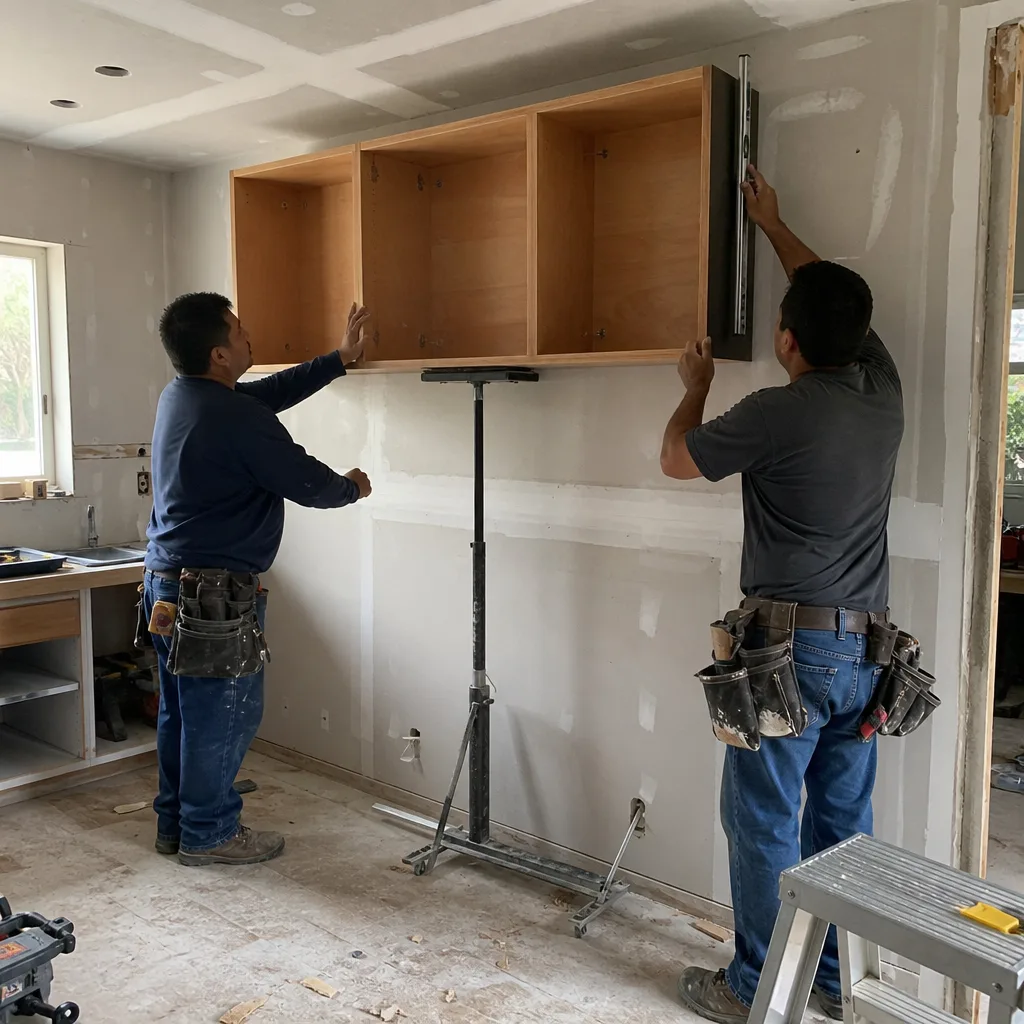
- California Owner-Builder Law: What You’re Actually Signing Up For
- The Projects That Routinely Fail LA County Final Inspection
- True Cost Comparison: Three Common Sherman Oaks Projects
- How Permits and Insurance Interact in California
- When DIY Voids Your Product Warranty
- Sherman Oaks-Specific Factors: Soil, Climate, and Code History
- Common Mistakes to Avoid
- When to Call a Professional
- Frequently Asked Questions
 Before
 After
AfterCalifornia Owner-Builder Law: What You’re Actually Signing Up For
California Business and Professions Code Section 7044 allows homeowners to act as their own contractor on residential projects, but the exemption comes with specific constraints that most online guides gloss over. The owner-builder permit - obtained through the Los Angeles Department of Building and Safety (LADBS) - requires you to personally supervise all work, use only licensed subcontractors for electrical, plumbing, and HVAC (these trades cannot be DIY’d even under owner-builder status), and assume full legal liability for code compliance and worker safety.
The liability assumption is where most Sherman Oaks homeowners stumble. When you pull an owner-builder permit, you become the “employer of record” for anyone working on your property. If a friend helping you install kitchen cabinets falls off a ladder, your homeowner’s insurance may deny the claim because you were acting as a contractor without workers’ compensation coverage - one reason we recommend reviewing our Kitchen Remodeling Maintenance Checklist for Sherman Oaks Homeowners before starting any kitchen project. We’ve reviewed competitor estimates where the “savings” of owner-builder status evaporated after a single injury claim.
The permit also limits you to one project per 12-month period on a property you own and occupy. You cannot pull an owner-builder permit for a rental property, a flip, or a home you don’t live in. The LADBS inspector will verify occupancy, and pulling the permit under false pretenses is a misdemeanor under California Business and Professions Code Section 7028.17.
Here’s what the owner-builder path actually requires in Sherman Oaks:
- Personal supervision: You must be present during all work hours - not “checking in.” The LADBS inspector can halt work if you’re absent.
- Licensed subs for regulated trades: Electrical, plumbing, mechanical, and structural work must be performed by C-10, C-36, C-20, or C-5 licensed contractors, respectively.
- Workers’ comp or waiver documentation: For anyone you pay, you must carry workers’ compensation or have them sign a valid waiver (which has its own legal risks).
- Pass all inspections: Rough, final, and any required specialty inspections - same as a licensed contractor.
- Disclose at sale: California Civil Code 1102.6 requires disclosure of all owner-builder work, including permit numbers, on the Transfer Disclosure Statement.
The disclosure requirement is the long-term cost that DIY cheerleaders rarely calculate. In Sherman Oaks, where median home prices have hovered above $1.2 million since 2021, a buyer’s agent who spots unpermitted or owner-builder work will flag it for renegotiation. The discount typically runs 3 to 5 percent of the affected area’s value - far more than any labor savings.
The Projects That Routinely Fail LA County Final Inspection
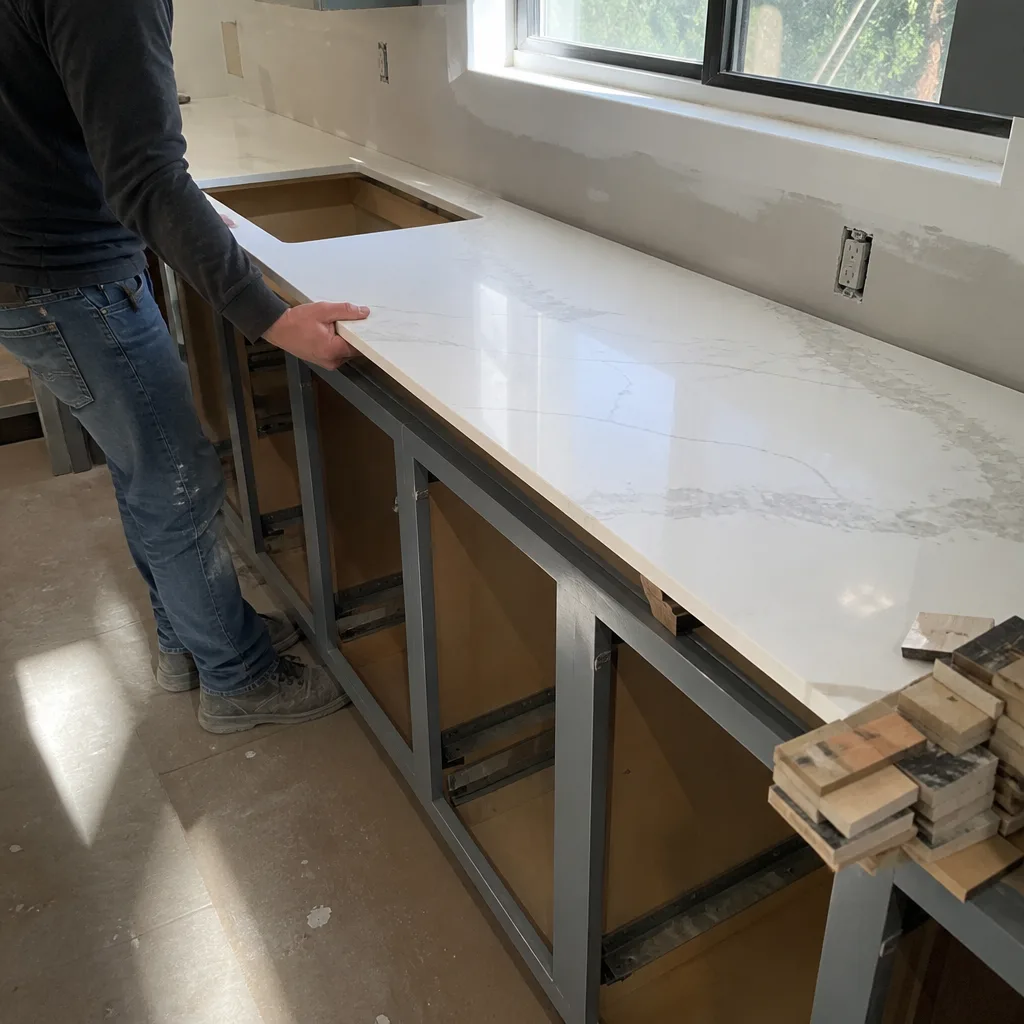
Our crews have been called to Sherman Oaks homes where the homeowner completed 90 percent of a project, failed final inspection, and then faced the choice of tearing it out or paying a professional to fix code violations retroactively. The retroactive fix almost always costs more than original professional installation, especially when walls must be reopened.
Three categories dominate the failure list in LA County:
Electrical panel work and circuit extensions. LADBS inspectors check NEC 2020 compliance, which California adopted with state amendments. Common failures in Sherman Oaks homes: insufficient working space in front of panels (NEC 110.26 requires 30 inches wide, 36 inches deep, 6.5 feet high), missing arc-fault circuit interrupters (AFCI) on bedroom and living room circuits, and overloaded neutrals in shared-neutral (multiwire branch) circuits that predate modern code. The 1940s to 1970s housing stock in Sherman Oaks neighborhoods like Magnolia Woods and Chandler Estates frequently has original Zinsco or Federal Pacific panels, which inspectors flag immediately for replacement.
Gas line modifications. California Plumbing Code Chapter 12 requires pressure testing at 1.5 times working pressure for 30 minutes, documented with a gauge log. DIY installers often skip the test or use incorrect pipe dope (standard pipe thread compound degrades with natural gas; you need UL-listed compound rated for fuel gas). More critically, any gas line relocation in Sherman Oaks requires a permit and inspection because the area sits on the Newport-Inglewood fault zone, and post-1994 code requires flexible connectors or seismic shutoff valves on many appliances.
Structural framing changes, including load-bearing wall removal. The most expensive DIY failure we’ve encountered: a Sherman Oaks homeowner removed a wall between kitchen and living room, installed a flush beam based on a YouTube tutorial, and failed inspection because the beam wasn’t sized for the tributary load. The LADBS engineer required engineered drawings, a new beam with proper bearing length on each end, and Simpson Strong-Tie connectors with specific nailing patterns. The “savings” of $3,500 in labor became $8,200 in remediation, plus two months of permit revision delays.
Other frequent inspection failures in our experience:
- Bathroom exhaust fans vented into attics instead of through the roof or gable end (California Energy Code Section 150.0)
- Shower pan liners without proper pre-slope or flood testing (CPC 408.5)
- Window replacements without proper flashing integration with existing weather-resistive barriers (LADBS Information Bulletin P/BC 2014-032)
- Retaining walls over 30 inches without engineered footings and drainage (CBC 1807.2)
True Cost Comparison: Three Common Sherman Oaks Projects
Most DIY cost comparisons use material list price versus contractor bid and call it a day. The honest comparison includes tool acquisition or rental, material waste from inexperience, permit fees, your time at a defensible hourly value, and the risk-adjusted cost of failure. Here’s how three common Sherman Oaks projects actually break down.
Project 1: Bathroom Floor Tile (50 square feet)
| Cost Component | DIY | Professional (Rowan Construction Group) |
|---|---|---|
| Tile (porcelain, mid-grade) | $350 | $350 |
| Thinset and grout | $85 | $85 |
| Cement backer board | $120 | $120 |
| Wet tile saw rental (2 days) | $85 | $0 (owned) |
| Notched trowel, spacers, mixing paddle | $75 | $0 (owned) |
| Material waste (15% for DIY vs. 8% pro) | $53 | $28 |
| Permit (not required under $500, but disclosure issue if subfloor modified) | $0 | $0 |
| Your time (8 hours at $45/hour - median Sherman Oaks household income equivalent) | $360 | $0 |
| Risk adjustment (10% chance of lippage requiring re-do, $800 cost) | $80 | $0 (warranty coverage) |
| Total True Cost | $1,208 | $583 (labor + markup on materials) |
The professional quote of $1,100 to $1,400 for this scope suddenly looks different. And this assumes the DIY installation goes well. We’ve re-done Sherman Oaks bathrooms where the homeowner’s lippage (height variation between adjacent tiles) exceeded 1/16 inch, the industry standard for flatness. The fix requires removing and replacing tiles, often damaging the backer board beneath.
Project 2: Exterior Painting (2,000 square feet of siding)
| Cost Component | DIY | Professional |
|---|---|---|
| Paint (Benjamin Moore Regal, 15 gallons) | $525 | $525 |
| Primer (if needed) | $180 | $180 |
| Sprayer rental or purchase | $250 (purchase) or $75/day | $0 |
| Ladders, scrapers, brushes, rollers, drop cloths | $200 | $0 |
| Material waste (20% DIY overspray vs. 10% pro) | $105 | $53 |
| Your time (40 hours at $45/hour) | $1,800 | $0 |
| Scaffolding rental (for two-story Sherman Oaks homes) | $350 | $0 (owned) |
| Risk adjustment (lead paint testing if pre-1978 home, $150; fall injury risk) | $150+ | $0 (licensed, insured, trained) |
| Total True Cost | $3,560+ | $2,800-$3,400 |
Sherman Oaks has significant pre-1978 housing stock, particularly south of Ventura Boulevard. EPA RRP (Renovation, Repair, and Painting) rules require lead-safe practices on these homes, including containment, HEPA vacuuming, and disposal documentation. DIY painters rarely comply, and the $37,500 per-day EPA fine is not theoretical - it’s been assessed in Los Angeles County.
Project 3: Bathroom Vanity Replacement
| Cost Component | DIY | Professional |
|---|---|---|
| Vanity and top | $650 | $650 |
| Faucet (Kohler or Delta, mid-grade) | $180 | $180 |
| Supply lines and P-trap | $45 | $45 |
| Plumber’s putty, tape, tools | $35 | $0 |
| Permit (required if plumbing modified) | $180 | $180 |
| Your time (6 hours at $45/hour) | $270 | $0 |
| Risk adjustment (cross-threaded supply, damaged cabinet, water damage) | $150 | $0 |
| Total True Cost | $1,510 | $1,100-$1,300 |
The vanity replacement looks closest to break-even, which is why it’s the most commonly attempted DIY project. But the failure mode is water damage from a slow leak at the supply connection, which can destroy a cabinet and subfloor before it’s detected. Our photo documentation on every visit includes moisture meter readings at supply connections - a standard deliverable, not an upgrade, under our documented visit protocol.
How Permits and Insurance Interact in California
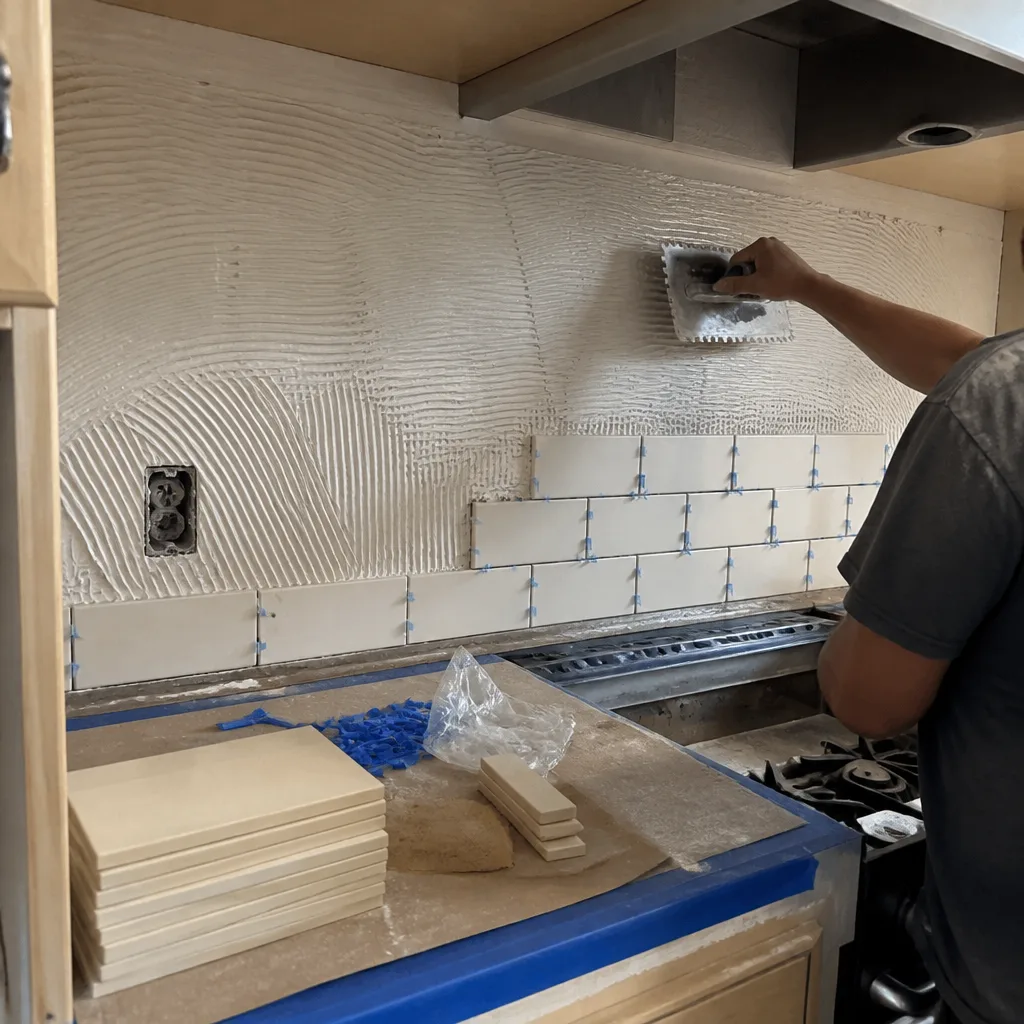
This is the section most competitors skip entirely, and it’s where the DIY decision often unravels for Sherman Oaks homeowners.
Standard California homeowner’s insurance policies contain a “workmanship exclusion” or “faulty construction” clause. The exact language varies by carrier, but the ISO HO-3 form used by most insurers states that coverage does not apply to “loss caused by… faulty, inadequate or defective… planning, zoning, development, surveying, siting… design, specifications, workmanship, repair, construction, renovation, remodeling, grading, compaction.” The critical question is whether unpermitted work triggers this exclusion more aggressively.
In our review of policy language from major carriers writing in Los Angeles County - State Farm, Farmers, Allstate, Mercury, and AAA - the permissibility of work matters for claim adjustment. If a fire originates at an unpermitted electrical junction box, the adjuster will request permit history. No permit means no inspection record, which shifts the burden of proof to the homeowner to demonstrate code compliance. Several carriers have added specific endorsements since 2019 requiring disclosure of unpermitted work at policy renewal; failure to disclose can void the policy retroactively.
For water damage, the interaction is even more direct. A bathroom leak from unpermitted plumbing that causes mold growth may be denied under both the workmanship exclusion and the mold sublimit. The homeowner then faces remediation costs of $15,000 to $40,000 in Sherman Oaks, where mold abatement runs $25 to $35 per square foot of affected area.
The permit creates a paper trail that protects you. LADBS inspection records are public and permanent. When a professional contractor pulls the permit, the inspector’s sign-off becomes evidence that the work met code at completion. This doesn’t guarantee claim payment - insurance adjusters still investigate - but it shifts the evidentiary burden back to the carrier.
California Civil Code 1102, the transfer disclosure law, adds another layer. The form specifically asks: “Are there any additions, structural modifications, or other alterations to the property… made without required permits?” Answering “no” when permits were not obtained is fraud. Answering “yes” triggers buyer scrutiny and typically a price reduction. In Sherman Oaks’s competitive market, even a disclosed $500 unpermitted electrical outlet has been used to renegotiate by $3,000 to $5,000 - the buyer’s agent knows the seller is motivated to close.
When DIY Voids Your Product Warranty
Manufacturer warranties on building products increasingly include installation requirements that DIY completion cannot satisfy. This isn’t fine print - it’s the primary warranty condition for products that represent significant investment.
Roofing materials. GAF’s Golden Pledge and System Plus warranties require installation by a GAF Master Elite or Certified contractor using GAF accessories in a complete system. Owens Corning’s Preferred Contractor and Platinum Preferred warranties similarly require certified installer status. DIY installation of either brand’s shingles carries only a basic material warranty - typically 10 years for manufacturing defects, with no coverage for installation errors, wind blow-off, or algae streaking. In Sherman Oaks, where Santa Ana winds regularly gust above 50 mph in fall and winter, the installation warranty is the valuable component - as covered in our Seasonal Construction Care for Sherman Oaks: Year-Round Homeowner’s Guide.
Waterproofing and moisture management. Schluter Systems, the dominant membrane manufacturer for tile showers, requires installation per their detailed handbook for warranty coverage. The warranty is transferable and covers waterproofing performance for 10 years - but only with documented installation by a contractor who follows their training protocol. We’ve replaced three Sherman Oaks shower assemblies where the homeowner used Kerdi membrane but skipped the required flood test or used modified thinset where unmodified was specified. The membrane didn’t fail; the installation did, and Schluter’s warranty denial was explicit.
HVAC equipment. Carrier, Trane, and Lennox all require licensed HVAC contractor installation for their 10-year parts warranties. The warranty registration must include the installing contractor’s license number and the permit number. DIY or handyman installation limits coverage to 5 years on parts and excludes labor entirely. Given that a compressor replacement runs $2,500 to $4,000 in Sherman Oaks, the warranty value exceeds any installation savings.
Windows and doors. Milgard’s Full Lifetime Warranty requires installation per AAMA/WDMA guidelines, including proper shimming, fastening, and sealant application. Andersen and Pella have similar requirements. The warranty covers glass seal failure, hardware defects, and frame warping - but installation by an uncertified party voids coverage for any issue the manufacturer can plausibly attribute to installation.
For roofing in Sherman Oaks, the warranty transferability matters at resale too. A transferable 50-year Golden Pledge warranty adds documented value; a voided warranty becomes another disclosure item.
Sherman Oaks-Specific Factors: Soil, Climate, and Code History
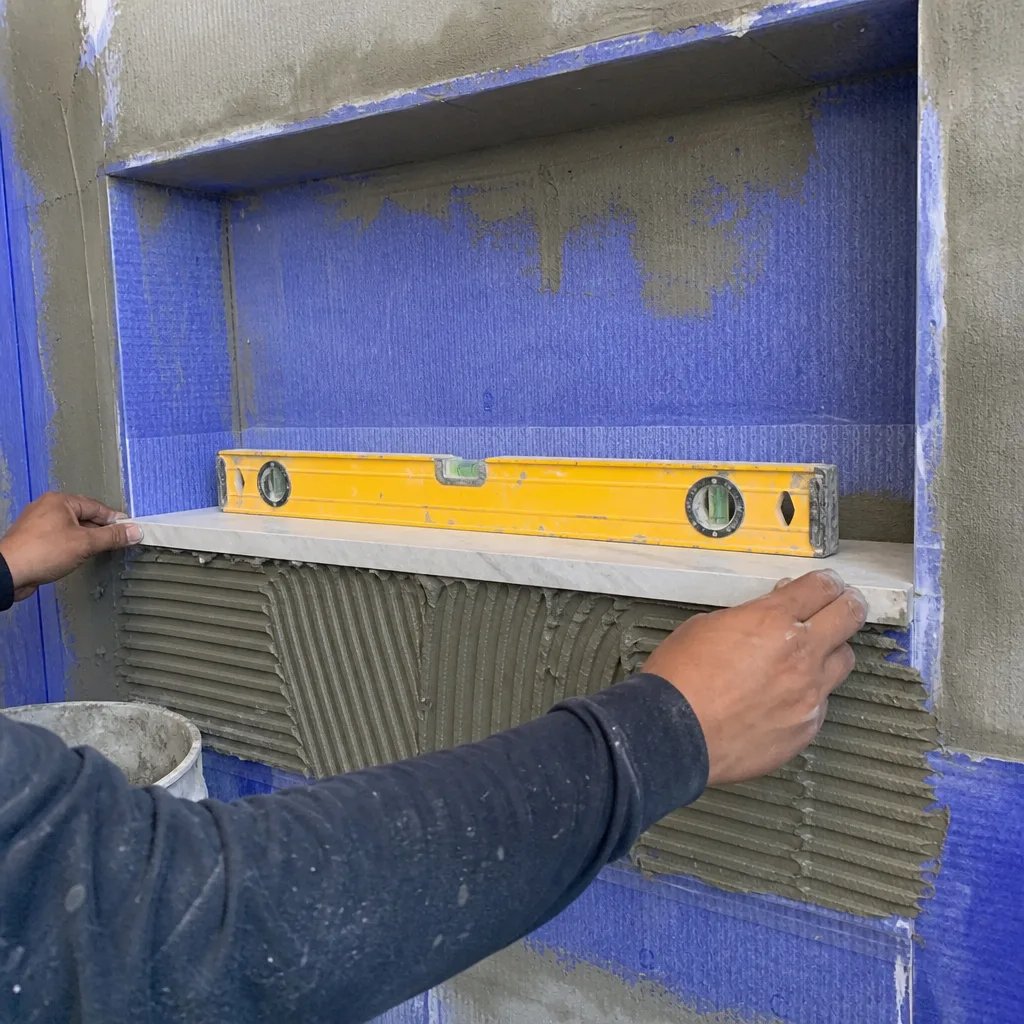
Sherman Oaks sits in the southeastern San Fernando Valley, with geology and climate that create specific construction considerations. The area’s soils are predominantly alluvial fill over sedimentary bedrock, with variable compaction that affects foundation work and retaining walls. Hillside areas north of Ventura Boulevard, particularly in the Sherman Oaks Glen and Longridge Estates neighborhoods, have steeper grades and more expansive clay soils that require engineered solutions for any structural modification.
The climate zone - CEC Climate Zone 9 - drives specific code requirements. Title 24 energy standards mandate cool roof ratings for re-roofing projects, defined as minimum solar reflectance and thermal emittance values. DIY roofers who install standard dark shingles without checking compliance may pass visual inspection but fail the energy compliance review that’s now part of LADBS permitting.
Seismic requirements are more stringent than much of the country. Any structural modification, including opening up walls for open-concept kitchens, requires evaluation of the existing lateral force-resisting system. The 1994 Northridge earthquake damaged thousands of Sherman Oaks homes, and post-event retrofit requirements apply to many properties. A kitchen remodeling in Sherman Oaks that removes a shear wall without engineering replacement can make the home non-compliant with current standards - and uninsurable for earthquake coverage through the California Earthquake Authority.
The age distribution of housing matters too. Sherman Oaks has significant 1940s to 1960s stock with:
- Knob-and-tube or early Romex wiring that can’t handle modern loads
- Galvanized steel water supply lines with internal corrosion reducing flow
- Cast iron drain lines with bellied sections or root intrusion
- Asbestos-containing materials in flooring, siding, or insulation
- Lead-based paint on any pre-1978 interior or exterior surface
Each of these conditions requires specific handling, permits, and disposal documentation. The homeowner who opens a wall and finds asbestos insulation faces a stop-work order and $500 to $1,500 in abatement costs before proceeding - if they recognize what they’ve found. Our crews carry asbestos awareness training and immediate abatement contractor contacts for exactly this scenario.
For bathroom remodeling in Sherman Oaks, the combination of older plumbing and seismic bracing requirements for water heaters makes professional assessment particularly valuable. The 2019 California Plumbing Code requires expansion tanks on all closed water systems and seismic strapping with specific bolt patterns - easy to miss, expensive to retrofit after inspection failure.
Common Mistakes to Avoid
- Assuming YouTube tutorials match California code. Most DIY content is filmed in states with less stringent energy, seismic, or environmental requirements. A “standard” technique from a Texas or Florida channel may fail LADBS inspection.
- Skipping permit research because the project “seems small.” In Sherman Oaks, replacing a water heater, moving a gas line, or adding a bathroom exhaust fan all require permits. The LADBS online permit wizard is definitive - use it before starting.
- Using handymen for regulated trades. California law requires C-10, C-36, C-20, or C-5 licenses for electrical, plumbing, HVAC, and framing work. An unlicensed handyman doing this work exposes you to liability and voids insurance coverage.
- Ignoring the resale disclosure clock. Every unpermitted project accumulates future liability. In Sherman Oaks’s high-turnover market, the average homeowner sells every 7 to 10 years - well within the statute of limitations for disclosure claims.
- Buying materials before finalizing scope. We’ve seen homeowners purchase $4,000 in custom cabinets only to find their 1948 kitchen walls are out of plumb by 2 inches, requiring custom scribes or reframing. Professional measurement and as-built documentation prevents this.
- Underestimating tool costs for one-time use. A quality wet tile saw, compressor and nail gun set, or scaffolding purchase can exceed professional labor for small projects. Renting shifts the math but adds time pressure that increases error rates.
When to Call a Professional
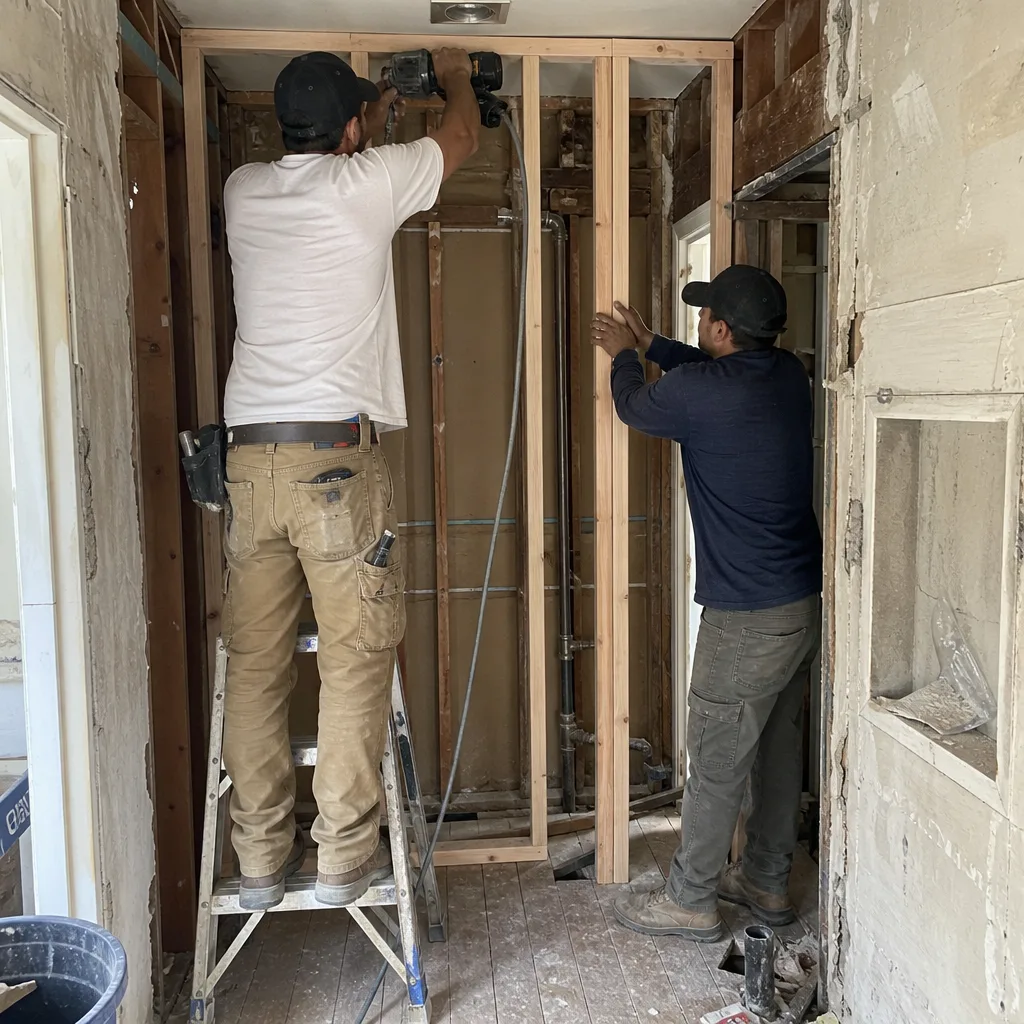
Call a licensed contractor when your project involves structural modification, electrical or plumbing changes, gas lines, roofing, or any work requiring a permit. Call when your home was built before 1980 and you’re opening walls or modifying systems. Call when the product warranty matters to your long-term cost calculation. And call when your time has value - the true cost comparison almost always favors professional installation for anything beyond cosmetic surface work.
Rowan Construction Group Sherman Oaks offers free estimates in Sherman Oaks. We’ll review your project scope, identify permit requirements, and provide a written price before any work starts - every time, on every trade. Call (213) 221-0788 to schedule yours.
Frequently Asked Questions
DIY demolition saves $1,500 to $3,000 on a typical Sherman Oaks kitchen, but the savings disappear if you damage plumbing, electrical, or structural elements behind the walls. We’ve repaired three kitchens in the last two years where homeowners cut into load-bearing studs or severed electrical feeds during “simple” demo. Call (213) 221-0788 for a written price on full-service demolition and remodeling - the kitchen remodeling in Sherman Oaks page has current project ranges.
No - this arrangement creates liability gaps that we won’t accept. Under the owner-builder permit, you are the contractor of record and assume all legal responsibility. We pull permits under our CSLB license, which transfers liability to our insurance and bonding, and ensures our 365-Day Done Right Promise applies. Under Clause 1 of the Haven Standard, the price is written before anyone starts, and the permit is in our name.
Possibly, but with significant caveats. The sudden and accidental coverage may apply to the resulting damage (wet drywall, flooring), but not to the repair of the faulty work itself. If the leak stemmed from unpermitted plumbing, your carrier may invoke the workmanship exclusion. For documented, permitted work by a licensed plumber, coverage disputes are far less likely. Call (213) 221-0788 for a free second opinion on any plumbing estimate - we’ll review it line by line.
Pre-1980 homes in Sherman Oaks should be presumed to contain asbestos in flooring, insulation, and joint compound, and lead paint on any interior or exterior surface. EPA rules require RRP certification for disturbance of lead paint, and asbestos abatement requires a licensed contractor for removal exceeding specific quantities. We include material assessment in our initial site visit documentation - photo record included, not optional. The cost of proper testing and abatement is always less than the EPA fine or health liability.
Yes, measurably. In 2023 and 2024 transactions we tracked in Sherman Oaks, homes with documented permits for recent work sold at 3 to 7 percent premiums over comparable unpermitted work. The disclosure requirement means buyers and their agents will find unpermitted work - it’s not a secret that survives inspection. The discount typically exceeds any original labor savings.
An owner-builder permit makes you the legal contractor, responsible for code compliance, worker safety, and all inspections. A contractor permit, pulled by a CSLB-licensed contractor like Rowan Construction Group, transfers those obligations to the licensed party and their insurance. The owner-builder exemption is designed for homeowners with construction experience who will personally supervise; it’s not a cost-saving mechanism for those who plan to hire unlicensed labor.
The Bottom Line
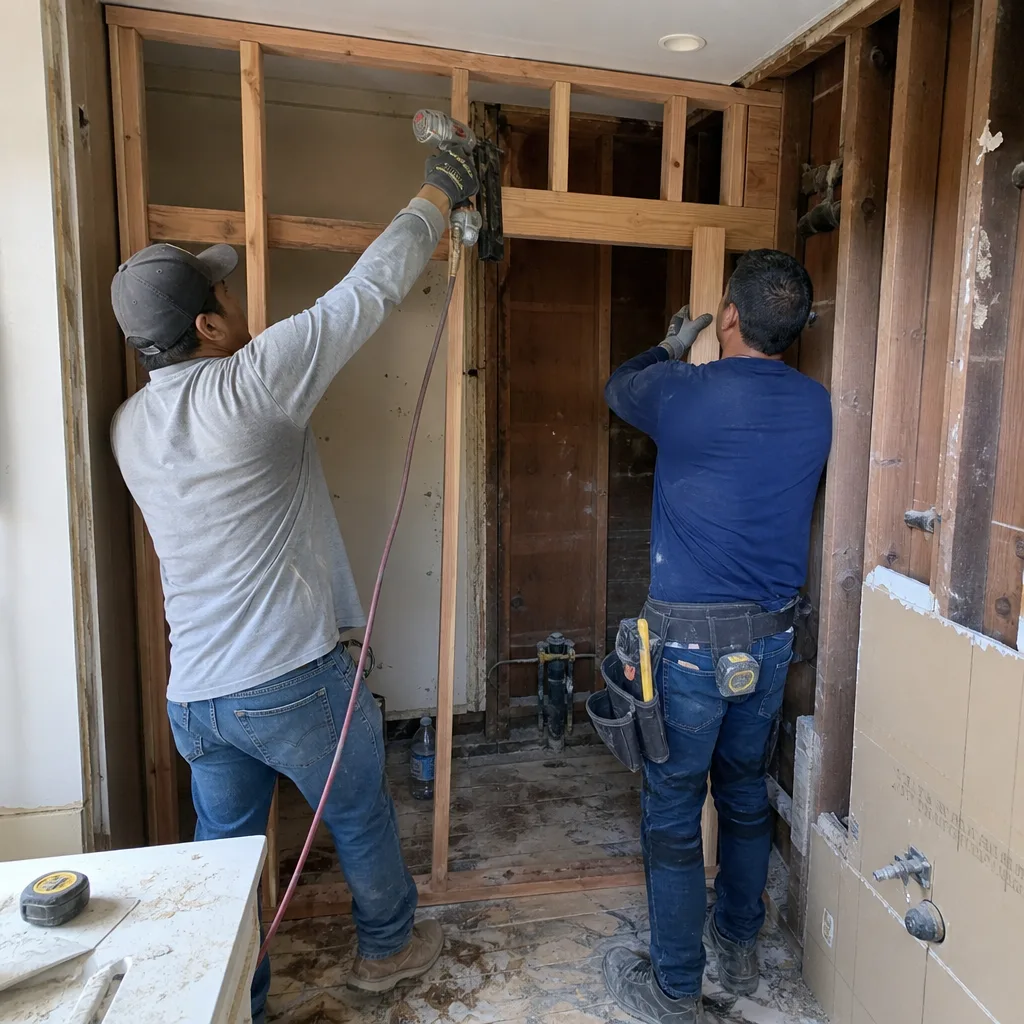
The DIY versus professional decision in Sherman Oaks starts with legal boundaries, not skill assessment. California’s owner-builder law, resale disclosure requirements, and insurance policy language create a framework where unpermitted or improperly permitted work carries hidden costs that compound over years. For cosmetic projects - painting, hardware, basic flooring - DIY can make financial sense with proper tool costing and time valuation. For anything affecting structure, systems, or warranty coverage, professional installation with documented permits protects your home’s value, your insurance coverage, and your future selling position. The $500 saved today frequently becomes the $5,000 concession at closing, or the denied claim after a leak or fire. Get the permit, get the documentation, and get the written price before anyone picks up a tool. For more guides & resources on protecting your Sherman Oaks home investment, visit our blog.
Rowan Construction Group Sherman Oaks has delivered 4,000-plus projects since 2007, every one with a written price before work started and a documented photo record when the crew left. Our 365-Day Done Right Promise, Free Second Opinion on any written estimate, and no-hassle upfront pricing are standing offers - no urgency theater, no asterisks. Call (213) 221-0788 to schedule your free estimate.
Written by Grant Rowan, Owner at Rowan Construction Group Sherman Oaks, serving Sherman Oaks since 2007.