
Last updated September 24, 2026
Free written scope consultation - allowances, timeline, and change-order rules on paper before a single trade is scheduled



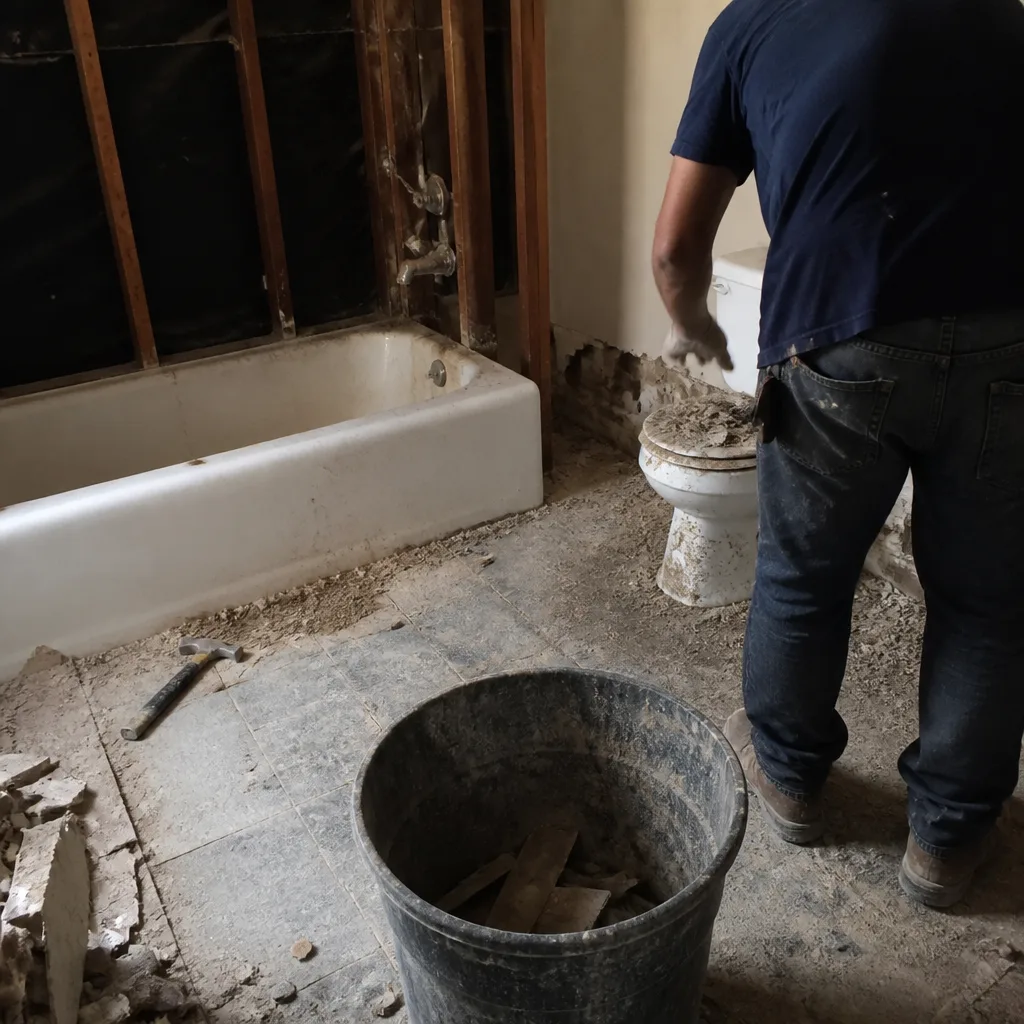 Before
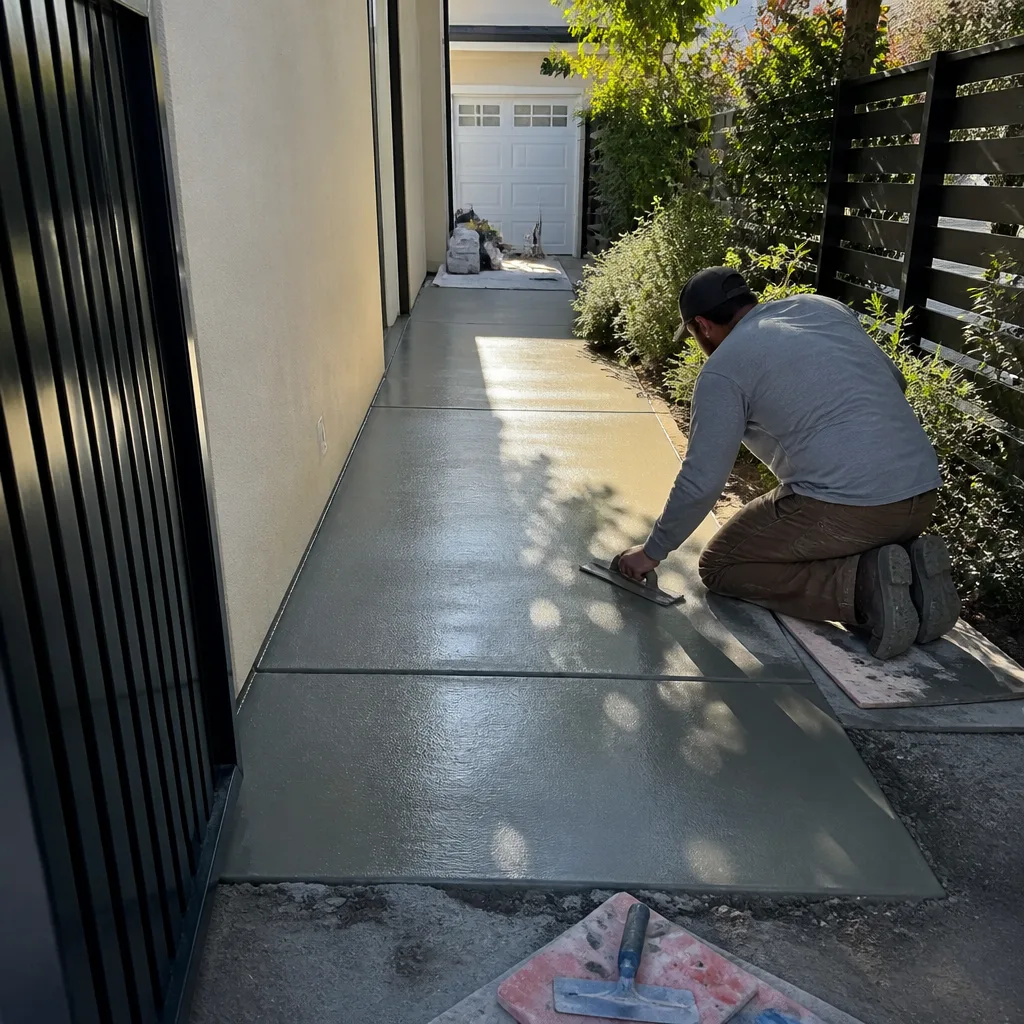 After
After Before
 After
After Before
 After
AfterHow to Hire a Construction Contractor in Sherman Oaks: A Step-by-Step Guide
California’s Contractors State License Board shows that in Los Angeles County, contractor license complaints increased 14% between 2021 and 2023. The most common complaint category wasn’t workmanship. It was contract and payment disputes that a properly written agreement would have prevented. In Sherman Oaks, where home values often rest on the quality of a kitchen remodel or the watertightness of a roof, that statistic matters. This guide walks through the specific licenses, insurance certificates, contract clauses, and change order language to request before anyone picks up a tool, and you can find more guides & resources on our blog.
Quick Answer
To hire a construction contractor in Sherman Oaks, verify their CSLB license class matches the trade (B-General for multi-trade projects, C-36 for plumbing, C-10 for electrical), request a Certificate of Insurance naming you as additional insured, and sign only a contract with written scope, milestone-based payments, and a signed change order requirement. The lowest bid usually omits permit fees, disposal, or allowances that reappear later as surprise costs.
Table of Contents
- How to Verify a California Contractor License in Under Three Minutes
- The Exact Insurance Documents to Request Before Work Starts
- Five Contract Clauses That Protect Sherman Oaks Homeowners
- How to Read a Bid Comparison Honestly
- What Signed Change Orders Reveal About a Contractor
- Sherman Oaks Building Conditions, Codes, and Climate Factors
- Red Flags That Should Stop the Conversation
 Before
 After
AfterHow to Verify a California Contractor License in Under Three Minutes
The Contractors State License Board website, cslb.ca.gov, has a license check tool that takes less than 180 seconds to use. Here’s the exact process:
- Navigate to the “Instant License Check” portal.
- Enter the contractor’s license number or business name.
- Review the status line: it must read “Active,” not “Suspended,” “Revoked,” or “Cancelled.”
- Click into the license detail to confirm the classification matches the work being performed.
License classification matters more than most homeowners realize. A B-General Building Contractor can oversee projects involving two or more unrelated trades, which covers most kitchen remodels, bathroom remodels, home additions, and ADUs in Sherman Oaks. But a contractor holding only a C-36 Plumbing license cannot legally contract for a full kitchen remodel that includes electrical and carpentry. A C-10 Electrical license does not authorize roofing work. We’ve reviewed competitor bids where the license class didn’t match the scope, and the homeowner only discovered it after problems arose.
Check the disciplinary history while you’re on the page. The CSLB lists citations, suspensions, and administrative actions. A single complaint doesn’t disqualify a contractor, but a pattern of contract or payment disputes should. Also verify the bond is current. California requires a $25,000 bond for active licenses, and the CSLB page shows the bond expiration date.
In Sherman Oaks, where many homes were built between 1940 and 1970, contractors frequently encounter unpermitted additions, outdated electrical panels, or plumbing that predates modern code. A properly licensed contractor has the classification breadth to address these issues without subcontracting every trade, which adds markup and coordination failure points.
The Exact Insurance Documents to Request Before Work Starts
License verification confirms legal authority to contract. Insurance verification confirms financial protection when something goes wrong. Request three specific documents, and know what each one proves.
Certificate of Insurance Naming You as Additional Insured
This is not the same as a Certificate of Insurance that merely shows the contractor has coverage. Ask for a COI with your name and property address listed in the “Additional Insured” box. This means their general liability policy will respond directly to claims arising from work on your property, not just claims against the contractor. The certificate should come from the insurance agent or broker, not from the contractor’s printer. Call the agent to verify it’s active.
Workers’ Compensation Coverage
California requires Workers’ Compensation for any contractor with employees. On the CSLB license check page, click the Workers’ Comp tab. If it shows “Exempt,” the contractor claims to have no employees. That may be true for a sole operator, but it’s a red flag if a crew of four shows up on day one. Uninsured workers injured on your property can file claims against your homeowner’s policy. We’ve seen this in Sherman Oaks hillside homes where site access involves stairs or narrow pathways that increase injury risk.
Liability Limits Appropriate to Project Size
For projects under $50,000, request minimum $1 million per occurrence general liability. For projects between $50,000 and $150,000, $2 million is appropriate. For home additions, ADUs, or whole-home renovations exceeding $150,000, ask for $2 million aggregate with a per-project endorsement. The premium for this coverage is significant, which is why low-bid contractors sometimes carry minimal limits. If they damage your foundation or a neighbor’s property, their policy pays to its limit and then you’re in court.
Under Clause 1 of the Haven Standard, Rowan Construction Group delivers a written price before any work starts. Part of that price includes the cost of proper insurance, not a gamble that nothing will go wrong.
Five Contract Clauses That Protect Sherman Oaks Homeowners
The contract is where most disputes begin. These five clauses separate professional operations from handshakes that fail under pressure.
1. Written Scope of Work with Material Specifications
Every line item should specify brand, model, and quantity where applicable. “Install new cabinets” is not a scope. “Install KraftMaid Maple Shaker cabinets, 30 linear feet, with soft-close hinges, as shown in attached elevation drawing” is a scope. For kitchen remodeling in Sherman Oaks, this specificity prevents the “allowance game” where a contractor budgets $3,000 for cabinets and then presents options starting at $8,000 after demolition.
2. Payment Schedule Tied to Milestones, Not Calendar Dates
Never agree to “25% on the first of each month.” Tie payments to verifiable progress: 10% at contract signing, 25% upon permit approval and material delivery, 40% at rough inspection passage, 20% at final inspection, 5% retention for 30 days post-completion. This keeps the contractor’s incentive aligned with completion, not with the passage of time.
3. Signed Change Order Requirement
This is the discipline that defines whether a project finishes within a few percent of its original price or balloons beyond recognition. The clause should read: “No additional work, material substitution, or scope modification shall proceed until a written change order is signed by both parties, specifying the additional cost and time impact.” At Rowan Construction Group, founded in 2007, no change proceeds without a signed change order. This administrative discipline, acquired under The Haven Standard, has kept our projects within a few percent of the agreed cost across 4,000-plus jobs. Ask your prospective contractor: “Show me your last three signed change orders.” Their response tells you everything.
4. Lien Waiver Language
California mechanics lien law allows subcontractors and suppliers to file liens against your property if the general contractor doesn’t pay them. Your contract should require the contractor to provide unconditional lien waivers from every subcontractor and supplier with each payment you make. This is standard on our projects. The waiver is a legal document stating they’ve been paid and release lien rights. Without it, you could pay the general contractor in full and still face a lien from the electrician they stiffed.
5. Defined Substantial Completion Standard
The contract must define when the project is “substantially complete.” California law uses the standard of being usable for its intended purpose, but write it in: “Substantial completion occurs when the work is sufficiently complete so the owner can use it for its intended purpose, with only punch-list items remaining that do not prevent use.” This triggers the final payment timeline and starts warranty periods. Without it, a contractor can claim completion while you’re still without a functional kitchen.
How to Read a Bid Comparison Honestly
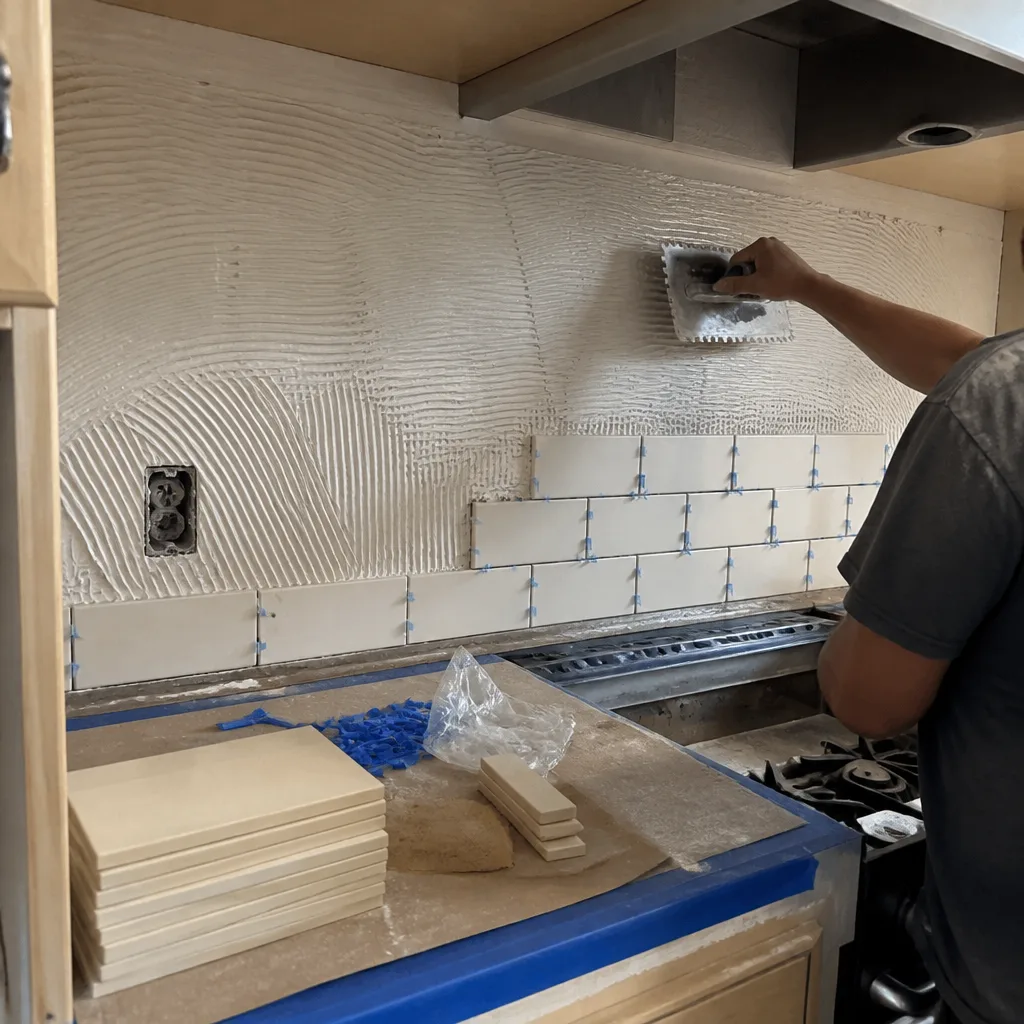
Most Sherman Oaks homeowners get three bids and pick the middle one. That’s not wrong, but it’s incomplete. The real work is understanding why the numbers differ.
Start by normalizing the scope. If Bid A includes permit fees and Bid B doesn’t, add $2,000-$4,000 to Bid B for a Sherman Oaks kitchen remodel permit. If Bid C includes disposal of asbestos-containing drywall and Bid A assumes standard demolition, that’s a $1,500-$3,000 difference that will appear later. We’ve reviewed competitor estimates where the “low” bid was missing: permit fees, temporary power, dumpster rental, finish material allowances, and final cleaning.
Check the material brands named. A bid specifying “granite countertops” without a brand or grade is an allowance trap. A bid specifying “Cambria quartz, Brittanicca Gold, 45 square feet, with eased edge” is a fixed price. The same applies to roofing in Sherman Oaks: “GAF Timberline HDZ shingles, System Plus warranty” is specific; “30-year shingles” is not.
Look at labor line items. A bid with one lump sum for “labor” provides no transparency. A bid breaking out demolition, rough carpentry, electrical rough, plumbing rough, insulation, drywall, finish carpentry, and painting lets you verify each trade is accounted for. Missing trades mean subcontractor markup you haven’t seen yet, or illegal unlicensed work.
The payment schedule reveals financial health. A contractor demanding 50% upfront may lack supplier credit or be using your deposit to finish another job. Milestone-based payments, as described above, indicate an operation with working capital and discipline.
Rowan Construction Group offers a Free Second Opinion on any written estimate. Bring a competitor’s quote and we’ll review it line by line, identifying what’s included, what’s omitted, and what questions to ask before signing. No obligation. The quote is the product, and you deserve to understand it.
What Signed Change Orders Reveal About a Contractor
The change order is where contractors make or lose money, and where homeowners get surprised or stay informed. Asking to see a contractor’s last three signed change orders is the most revealing due diligence step most homeowners skip.
A professional change order contains: a description of the changed work, the reason for the change (hidden condition, owner request, code requirement), the additional cost with material and labor broken out, the schedule impact in days, and signatures of both parties dated before work proceeded. If a contractor can’t produce these, or produces documents signed after the work was done, their project control is weak. Post-hoc change orders are coercion, not agreement.
We’ve seen Sherman Oaks projects where the “small” bathroom remodel became a $40,000 overrun because the contractor discovered galvanized plumbing behind the walls and proceeded without stopping for authorization. Under The Haven Standard, that work stops. The crew photographs the condition, the project manager prepares a change order with cost and time impact, and nothing proceeds until the homeowner signs. This feels slower in the moment. It prevents disaster at the end.
The contractor who says “we handle changes informally, we’re flexible” is describing a process that benefits them at your expense. Flexibility in construction is another word for undocumented scope creep. The 365-Day Done Right Promise, backed by The Haven Standard, applies only to work performed under signed authorization. Documentation protects both parties.
Ask specifically: “What percentage of your projects finish within 5% of the original contract price?” A contractor with signed change order discipline will know this number. At Rowan Construction Group, it’s the metric we track most closely, and the reason Haven acquired our operation.
Sherman Oaks Building Conditions, Codes, and Climate Factors

Sherman Oaks sits in the southeastern San Fernando Valley with specific conditions that affect construction planning and contractor selection, as detailed in The Complete Guide to Construction in Sherman Oaks.
Hillside Ordinance and Foundation Requirements
Many Sherman Oaks homes, particularly north of Ventura Boulevard and in the hills east of Coldwater Canyon, are built on slopes subject to the City of Los Angeles Hillside Ordinance. Any addition, ADU, or significant remodel on a slope over 25% requires geotechnical review and often specialized foundation systems. A contractor without hillside experience will underestimate this cost by tens of thousands. Ask specifically: “How many hillside projects have you completed in Sherman Oaks or Studio City?” and request addresses for drive-by verification.
Seismic Retrofit and Soft-Story Conditions
Pre-1980 homes in Sherman Oaks frequently have unbolted foundations, cripple walls without shear paneling, or soft-story conditions (open parking or commercial space below residential units). The City of Los Angeles has mandatory soft-story retrofit programs for certain structures. A contractor performing a bathroom remodel in Sherman Oaks who discovers unbolted framing should flag it, not ignore it. The written scope should address whether seismic improvements are included, excluded, or to be evaluated during demolition.
Climate and Material Selection
Sherman Oaks experiences approximately 35 days above 90°F annually, with summer temperatures regularly reaching the mid-90s. South- and west-facing exterior surfaces take sustained thermal load. For window and door replacement, this matters. We specify ES Windows or ECO Window Systems for projects where solar heat gain coefficient is critical, and Therma-Tru entry doors with proper overhang protection. A bid that doesn’t account for orientation-specific thermal performance will produce uncomfortable rooms and high cooling bills.
The winter rainy season, typically November through March, brings 15-20 inches of annual precipitation. Roofing work, exterior painting, and masonry sealing must be scheduled around this window. A contractor promising exterior work in January without a weather contingency plan hasn’t built in Sherman Oaks before.
Permit Timing and LADBS Processes
Los Angeles Department of Building and Safety permitting for Sherman Oaks goes through the Van Nuys or West LA plan check offices, depending on project type. Plan check for a kitchen remodel typically takes 4-6 weeks; a home addition or ADU can take 8-14 weeks. Expedited plan check is available for a fee but doesn’t guarantee approval speed. Any contractor promising permits “in two weeks” for a complex project is misinformed or misleading. The written contract should specify who pays permit fees, who submits plans, and what happens if plan check requires corrections.
Red Flags That Should Stop the Conversation
Some signals indicate a contractor you should not hire, regardless of price or availability.
- Requests more than 10% deposit or $1,000, whichever is less, before contract signing. California law limits pre-contract deposits. A contractor asking for $5,000 to “hold the schedule” is breaking the law or ignorant of it.
- Provides a quote without visiting the site. Square-footage pricing over the phone cannot account for access constraints, existing conditions, or the specific substrate we’re building on. We’ve measured Sherman Oaks homes where a standard 10×12 addition became a $15,000 premium due to hillside access requiring a crane.
- Pressures for immediate signing with “price goes up tomorrow.” This is urgency theatre, and it’s incompatible with the careful evaluation this decision requires. A fixed written price should remain fixed for a reasonable review period.
- Cannot name the specific brands and models in the quote. “Grade A cabinets” or “premium fixtures” are not specifications. They’re invitations to substitution.
- Has no change orders to show, or describes them as “rarely needed.” Every project encounters conditions that differ from plan. A contractor with no change order history is either lying, performing unauthorized work, or building so much contingency into the original price that you’re overpaying from day one.
- Subcontractor insurance not verified. The general contractor’s policy doesn’t cover subcontractor negligence. Request proof that all subs carry their own Workers’ Comp and general liability, or that the GC’s policy includes subcontractor coverage by endorsement.
- No physical business address or uses a P.O. box. You need to know where to serve legal notice if necessary. A legitimate contractor has an office, a yard, or at minimum a verifiable commercial address.
Common Mistakes to Avoid
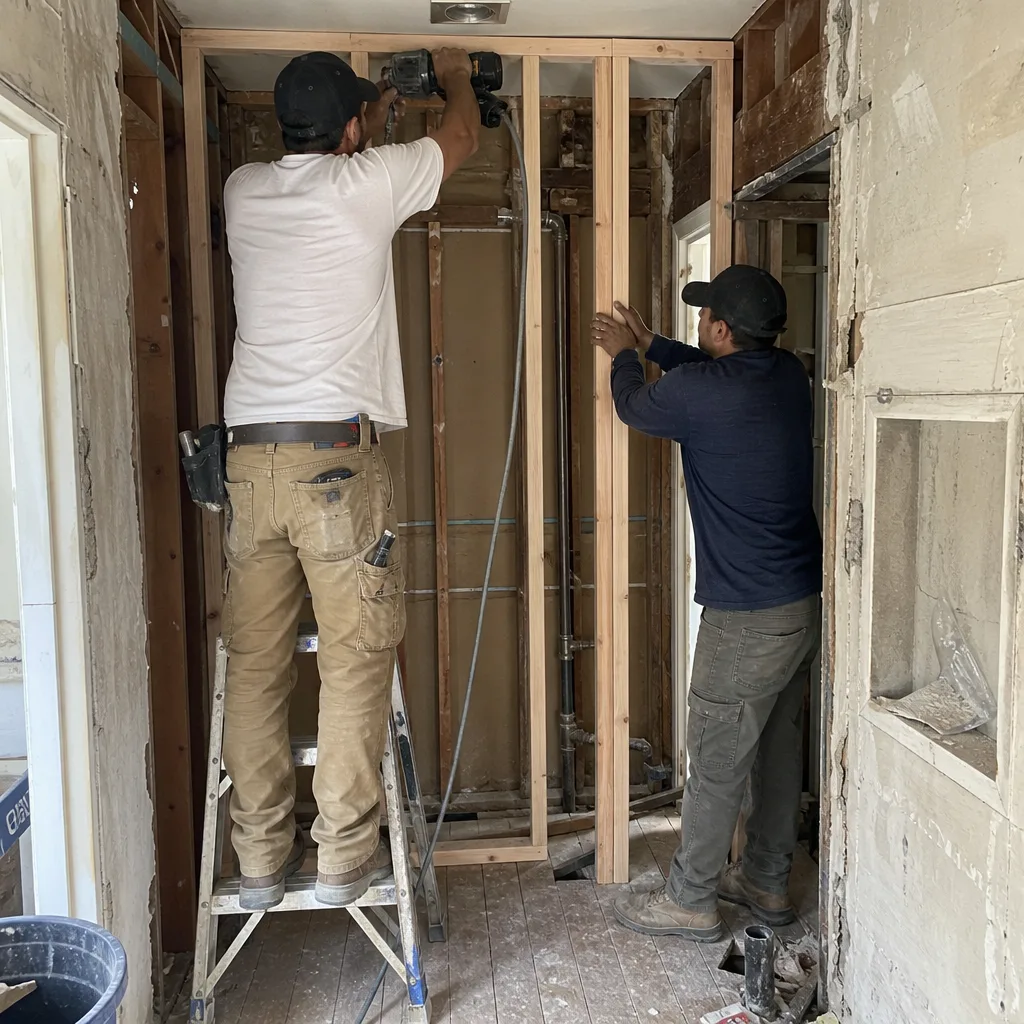
- Hiring based on the lowest bid without scope normalization. The $28,000 kitchen remodel that omits permits, disposal, and a proper range hood will cost $38,000 before it’s done. Compare line items, not bottom lines.
- Skipping the CSLB check because “they came recommended.” Referrals are valuable but not sufficient. A neighbor’s positive experience three years ago doesn’t reflect current license status, bond standing, or recent disciplinary action.
- Accepting a start date without permit approval in hand. Starting work before permits are issued exposes you to stop-work orders, fines, and required demolition of completed work. In Sherman Oaks, where LADBS inspectors are active, this risk is real.
- Paying the final retention before punch list completion. The 5-10% retention is your only leverage to ensure completion of minor items. Release it only when every punch list item is verified complete.
- Not requesting lien waivers with each payment. This is the most common and most expensive oversight. Without waivers, you bear the risk of the contractor’s payment failures.
- Verbal agreements for “small” changes. There are no small changes in construction. A moved outlet is a changed outlet, with permit and inspection implications. Document everything.
When to Call a Professional
Call a licensed, insured contractor when the project involves structural modification, electrical or plumbing work, roofing, or any work requiring a city permit. These are not DIY opportunities in California. The CSLB exists because the combination of complex systems, code requirements, and financial stakes exceeds what even skilled homeowners can safely manage.
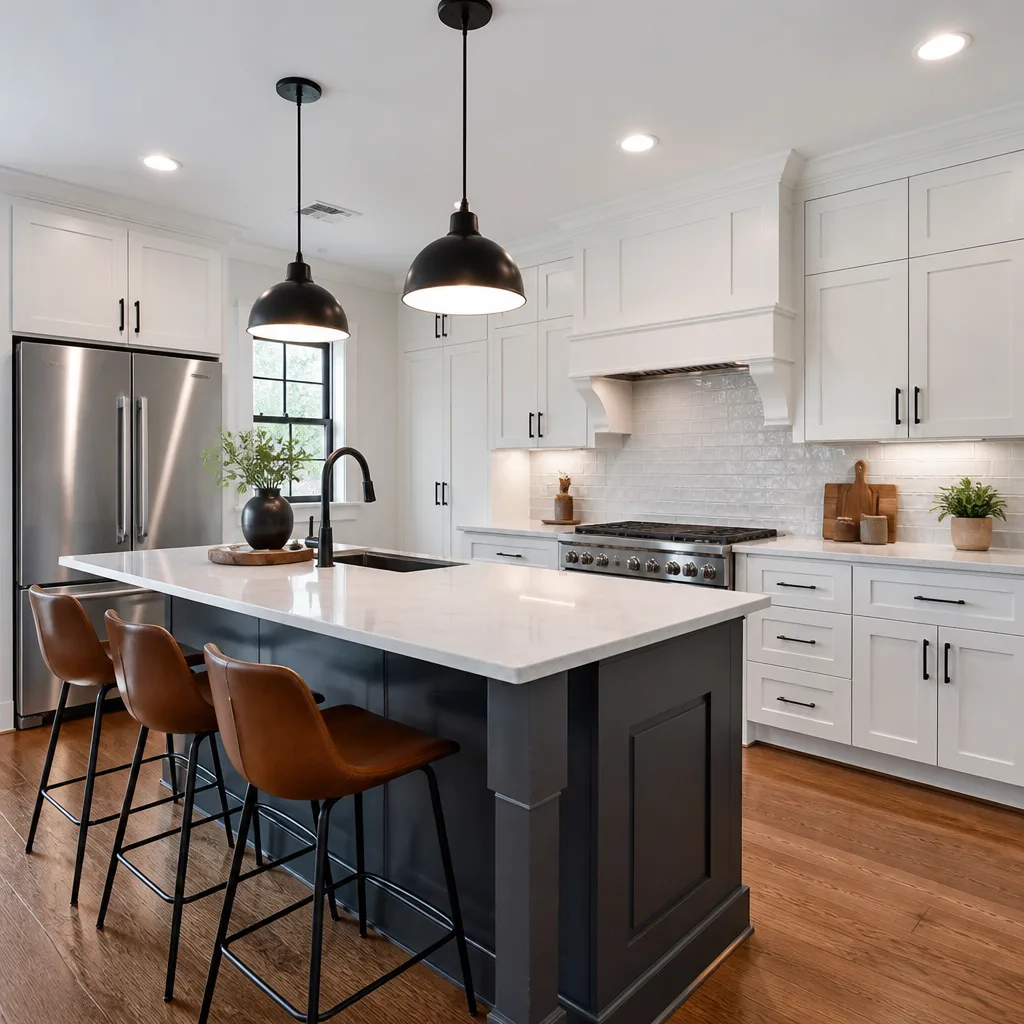
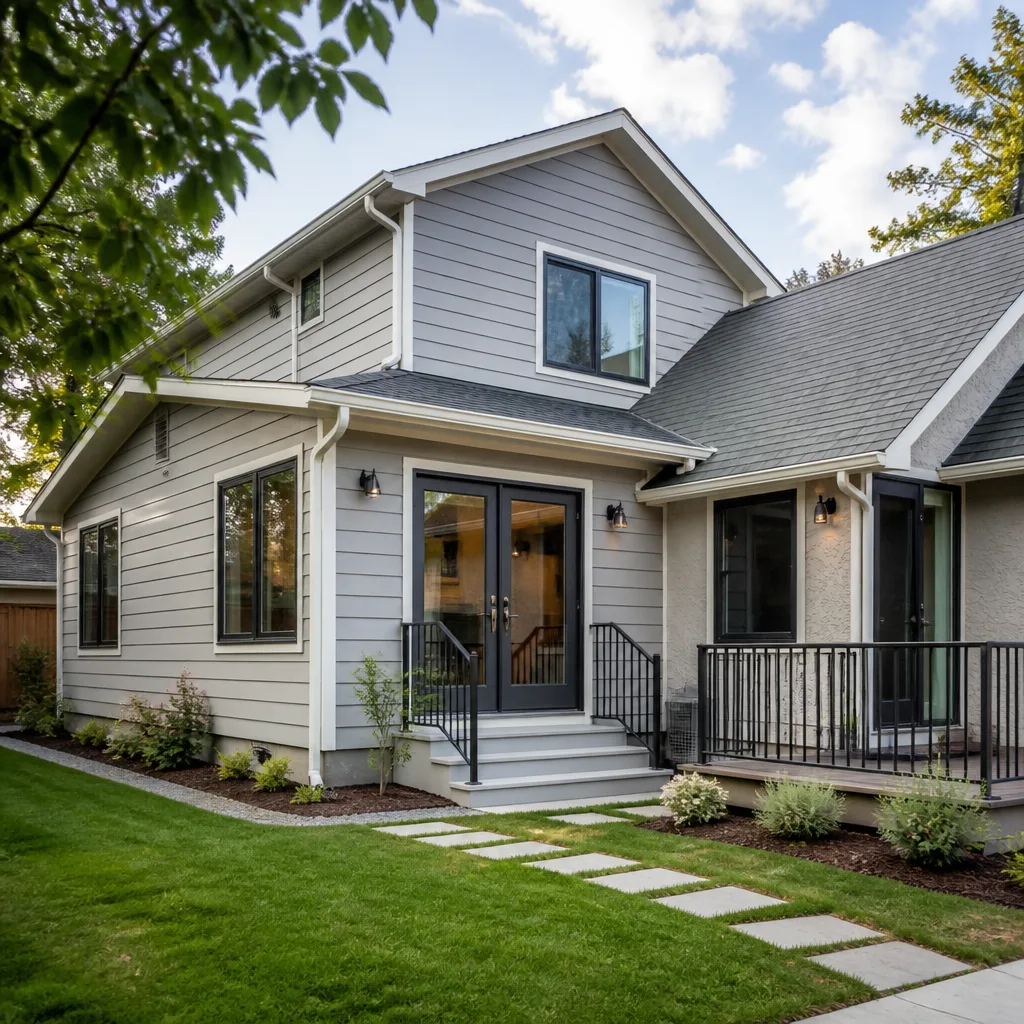
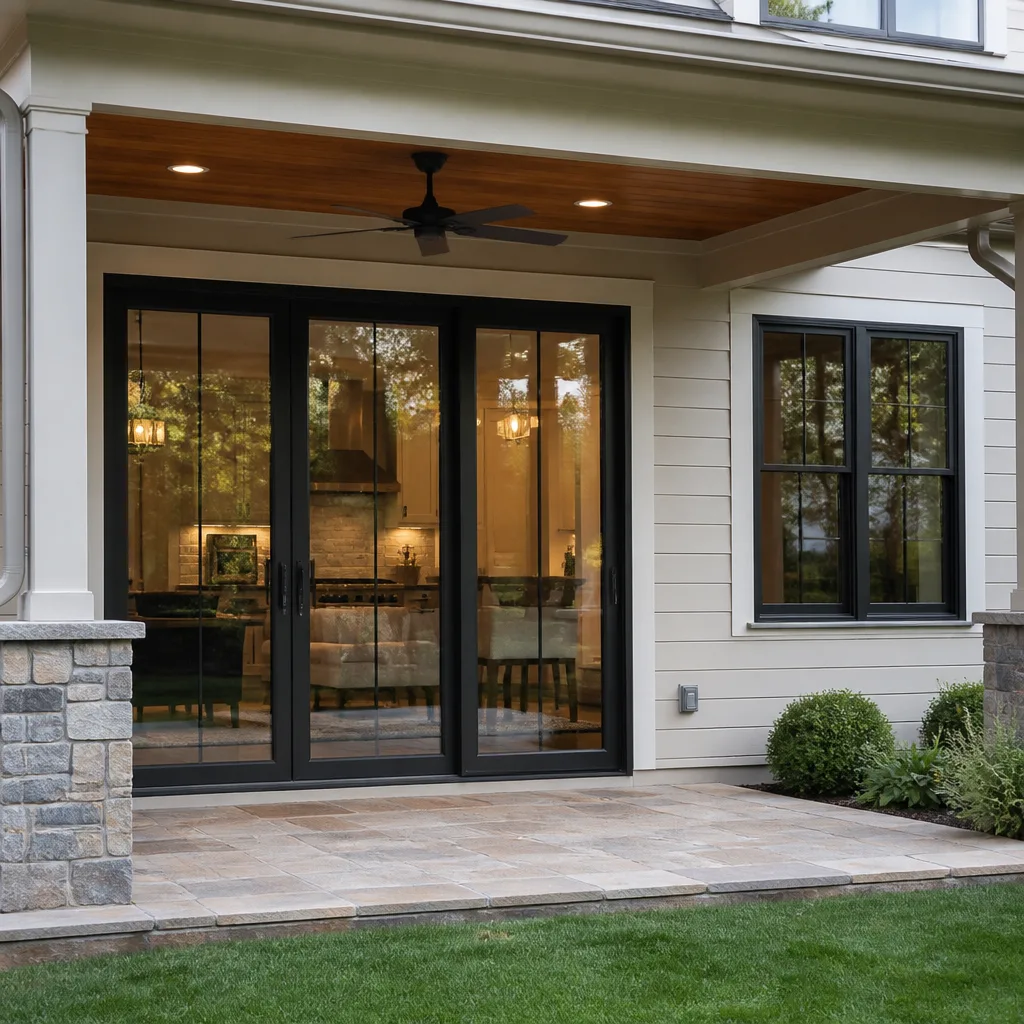
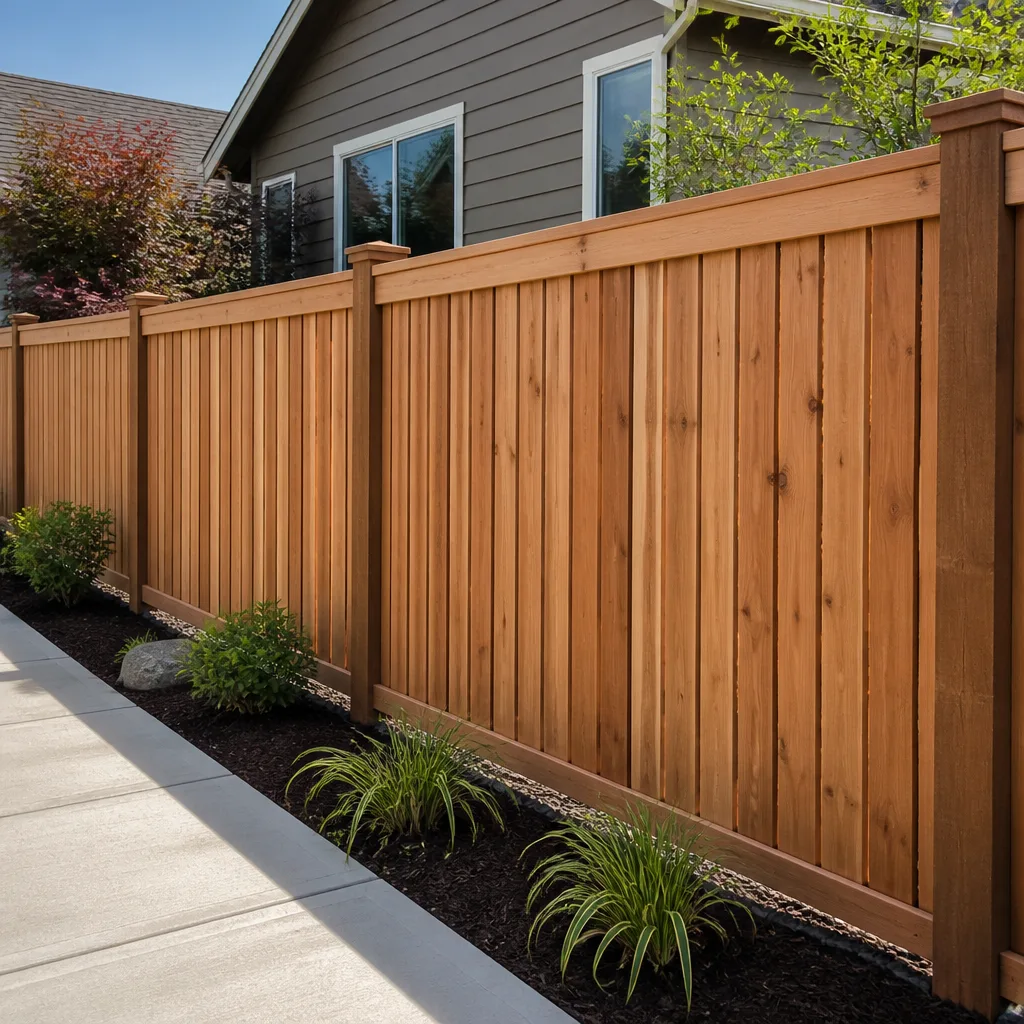
For Sherman Oaks homeowners considering a kitchen remodel, bathroom renovation, roofing replacement, window and door upgrade, fence installation, driveway and paver work, or a home addition including an ADU, the evaluation process described in this guide and our Kitchen Remodeling Maintenance Checklist for Sherman Oaks Homeowners applies. The contractor who welcomes your documentation requests, shows you signed change orders without hesitation, and puts a written price with material specifications in your hand before work starts is the contractor who will finish within a few percent of that number.
Rowan Construction Group Sherman Oaks offers free estimates in Sherman Oaks. Our process includes a documented site visit, a written flat-price quote with brand specifications, and a line-by-line review before any commitment. Call (213) 221-0788 to schedule your free estimate.
Frequently Asked Questions
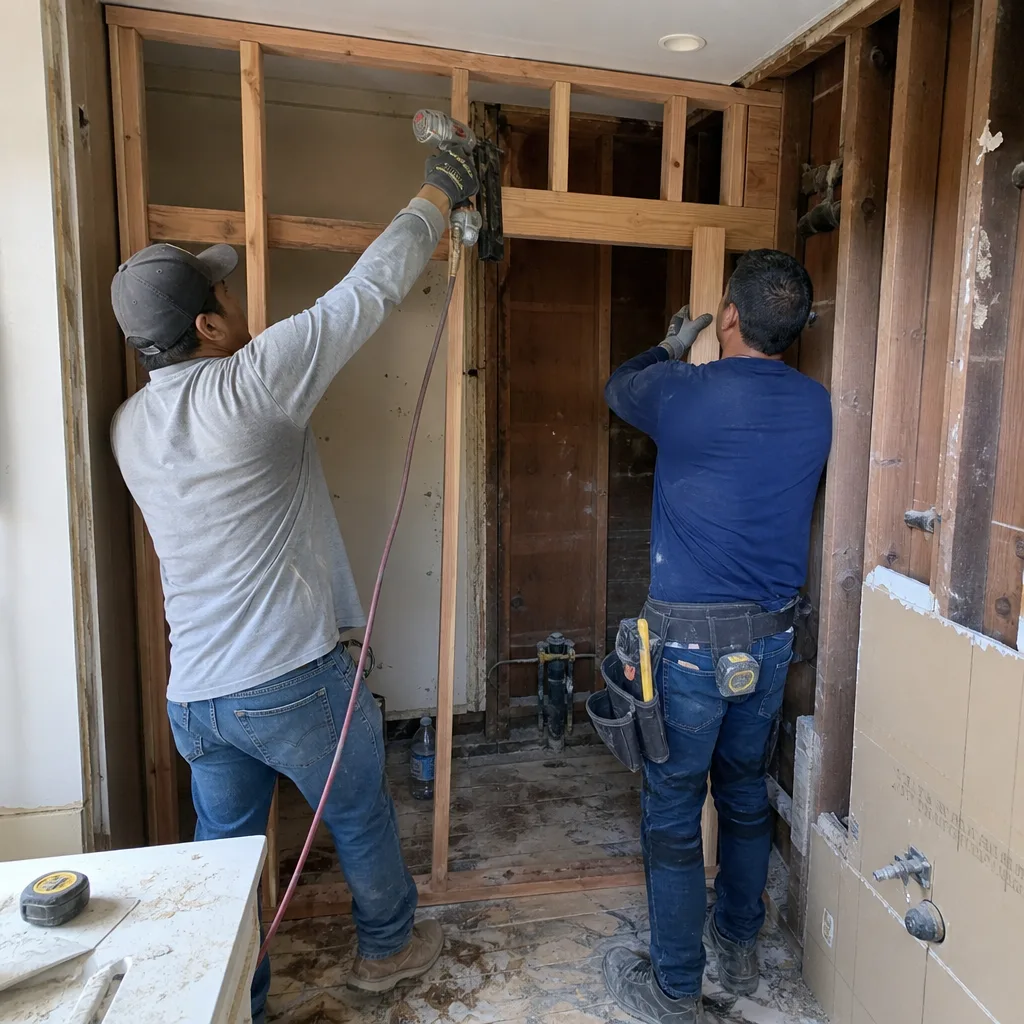
Kitchen remodels typically range from $45,000 to $120,000 depending on scope and material selections; bathroom remodels from $25,000 to $65,000; roofing replacements from $12,000 to $28,000 for standard composition shingle on typical Sherman Oaks homes; and home additions or ADUs from $250 to $400 per square foot all-in, with hillside conditions adding 15-30%. The lowest bid in any category usually omits permit fees, disposal, or adequate material allowances that reappear as change orders. Call (213) 221-0788 for an exact quote on your specific project - estimates are free.
A B-General Building Contractor is required for any project involving two or more unrelated trades, which includes virtually all kitchen remodels. If the contractor holds only a C-36 Plumbing or C-10 Electrical license, they cannot legally perform or subcontract the full scope. Verify the B classification on cslb.ca.gov before signing.
At Rowan Construction Group, the price changes only when a written change order is signed by both parties, specifying the additional cost and time impact before any work proceeds. This is Clause 1 of the Haven Standard. Ask any contractor: “Show me your last three signed change orders.” If they can’t, or if they describe changes as “handled informally,” expect post-hoc charges you didn’t authorize.
Yes. Rowan Construction Group submits plans, pays permit fees, coordinates LADBS plan check and inspection scheduling, and ensures all required inspections are passed before final payment. The written quote specifies whether permit fees are included or listed separately. Never start work without permit approval in hand.
From permit approval to final inspection, a standard kitchen remodel takes 8-12 weeks of construction time. Plan check adds 4-6 weeks before work can begin. Custom cabinetry, structural modifications, or hillside foundation work extend this timeline. The written contract specifies milestone dates, not just a completion target.
Ask three specific questions: “Did the project finish within 10% of the original contract price, and if not, why?” “Did you receive signed change orders before any additional work?” and “Would you hire them again for a project of similar complexity?” Listen for hesitation on the second question. That’s where problems hide.
The Bottom Line
Hiring a construction contractor in Sherman Oaks is a document-level decision, not a personality match. Verify the license class on the CSLB website. Request a Certificate of Insurance naming you as additional insured, with Workers’ Comp verified. Sign only a contract with written scope, milestone payments, signed change order requirements, lien waivers, and defined substantial completion. Compare bids line by line, not bottom line to bottom line. And ask to see signed change orders from past projects - the response tells you whether you’re hiring a disciplined operation or a hopeful one.
These steps take additional time upfront. They save months of dispute, thousands in unplanned costs, and the structural risk of a project gone wrong. In a market where contractor complaints rose 14% in two years, documentation is the difference between a finished project and a filed claim.
Written by Grant Rowan, Owner at Rowan Construction Group Sherman Oaks, serving Sherman Oaks since 2007.