
Last updated September 24, 2026
Free written scope consultation - allowances, timeline, and change-order rules on paper before a single trade is scheduled




 Before
 After
After Before
 After
After Before
 After
AfterConstruction Warning Signs: A Sherman Oaks Homeowner’s Reference Guide
A contractor who asks for more than 10% or $1,000 down (whichever is less) on a project requiring a California license is violating Business and Professions Code Section 7159 - yet “large upfront deposit” remains the most common financial warning sign homeowners report after a dispute, because they didn’t know the legal limit before they paid. In Sherman Oaks, where the median home value sits well above $1.2 million and even modest kitchen remodels start at $35,000, the stakes of choosing wrong are steep. This guide - along with our more guides & resources - translates abstract “red flags” into specific, observable evidence you can verify standing in front of a bid or a jobsite: exact contract language, license lookup results, and payment structures that predict whether a project finishes within a few percent of the agreed price or spirals into litigation.
Quick Answer
The most reliable construction warning signs in Sherman Oaks are: (1) a contractor requesting more than 10% or $1,000 as a deposit, (2) a contract missing the required California license number, start date, and payment schedule, (3) workers on site who cannot name the licensed contractor they work for, and (4) “allowances” without unit pricing that shift cost risk to the homeowner. Verify every license at cslb.ca.gov before signing, and structure payments to inspection milestones, not calendar dates.
Table of Contents
- California Contract Law: The Rules Most Homeowners Don’t Know
- How to Read a California Contractor License Lookup Result
- Payment Structures That Predict Disputes
- Jobsite Warning Signs: Subcontractor Problems and Material Shortcuts
- Contract Language That Shifts Risk Onto You
- The Documentation Pattern That Precedes Most Payment Disputes
- Sherman Oaks-Specific Risks: Hillside Codes, Expansive Soil, and Permit Delays
- Common Mistakes to Avoid
- When to Call a Professional
- Frequently Asked Questions
 Before
 After
AfterCalifornia Contract Law: The Rules Most Homeowners Don’t Know
California’s home improvement contract requirements are not suggestions. They are statutory mandates with teeth, and contractors who violate them expose homeowners to financial risk while operating illegally themselves.
Business and Professions Code Section 7159 governs home improvement contracts in California. Every contract must contain:
- The contractor’s name, business address, and CSLB license number
- A description of the work to be performed and materials to be used, with sufficient detail to identify them
- The agreed start date and substantial completion date
- A notice of the three-day right to cancel
- A payment schedule that shows the amount of each payment and the work or services covered
The deposit limit is explicit: no more than $1,000 or 10% of the contract price, whichever is less. A contractor who requests $5,000 on a $50,000 kitchen remodel is breaking the law. Not “pushing boundaries.” Breaking the law. This is not a negotiating point; it is a bright-line rule that protects homeowners from contractors who use deposits to fund prior projects or cover cash-flow problems.
Section 7159.5 adds further requirements for contracts exceeding $500. The contract must be in writing, signed by both parties, and include a specific statement about workers’ compensation insurance coverage. If the contractor has no employees, the contract must state that fact explicitly.
Here’s where Sherman Oaks homeowners specifically get caught: many projects in the hills trigger Section 7159.6, which applies to contracts involving roofing, swimming pools, or other work requiring specialized permits. The contract must note whether the contractor will pull permits or whether the homeowner assumes that responsibility. A contractor who says “you handle the permits to save money” is not doing you a favor. They are shifting liability for code compliance onto you, and if the work fails inspection, you own the problem.
We have reviewed competitor estimates brought in for our Rowan Construction Group Sherman Oaks home Free Second Opinion service - a standing offer under The Haven Standard - and found contracts missing start dates, omitting license numbers, or requesting 25% deposits. These are not minor oversights. They are violations that void the contract’s enforceability and expose the homeowner to unrecoverable losses.
Under Clause 1 of The Haven Standard, our price is written before any work starts, every time. The contract contains every element Section 7159 requires, plus a written scope with line-item material specifications and a payment schedule tied to inspection milestones, not arbitrary calendar dates.
How to Read a California Contractor License Lookup Result
The Contractors State License Board maintains a public database at cslb.ca.gov. Every homeowner should run this check before signing - our How to Hire a Construction Contractor in Sherman Oaks: A Step-by-Step Guide covers exactly how - yet most don’t know what the results mean beyond “active” or “not active.”
Step-by-step lookup process:
- Navigate to cslb.ca.gov and select “Check a License”
- Enter the seven-digit license number (format: 1234567, not “C-123456”)
- Review the license detail page for these specific fields
Status field meanings:
- Clear: The license is active, bonding and insurance are current, and no disciplinary actions are pending. This is the only status that permits the holder to bid and contract for work.
- Suspended: The license cannot be used to contract for new work. A contractor working under a suspended license is operating illegally, and any contract signed during suspension is voidable. Common causes: lapsed bond, expired workers’ compensation certificate, or failure to resolve a citation.
- Disqualified: The individual associated with the license is barred from serving as an officer, director, or responsible managing employee of a licensed contractor. This often follows a criminal conviction or serious disciplinary action. If a “clear” license lists a disqualified qualifier, the license itself may be subject to revocation.
- Revoked: The license has been terminated by the CSLB. Any work performed under a revoked license is unlicensed contracting, a misdemeanor in California.
License class verification is equally critical. A B-General Building Contractor can perform work in any trade on a project where they are framing or performing at least two unrelated trades. However, a B contractor cannot perform single-trade work (roofing only, electrical only) unless they also hold that specific classification. A C-39 Roofing Contractor can perform roofing work exclusively. A C-36 Plumbing Contractor cannot legally perform electrical work.
We have encountered homeowners in Sherman Oaks who hired a “contractor” for a Kitchen Remodeling in Sherman Oaks only to discover the license holder was a C-10 Electrical Contractor with no B classification. The electrical work was competent; the structural modifications to load-bearing walls were not. The CSLB intervened, the project halted, and the homeowner paid twice to complete work that should have required a B license or proper structural engineering oversight.
Check the “Personnel List” on the license detail page. This shows the responsible managing officer (RMO) or responsible managing employee (RME). If the person who sold you the project is not listed here, they cannot legally bind the license holder to a contract. The “project manager” who asks you to sign may have no legal authority to do so.
Finally, review the “Disciplinary Actions” section. A single citation for advertising without a license may be administrative noise. Multiple citations for abandonment, fraud, or failure to pay subcontractors signal a pattern. In Sherman Oaks’ competitive contractor market, a clean disciplinary record across 15-plus years is a meaningful signal of operational discipline.
Payment Structures That Predict Disputes
The payment schedule is where most construction disputes originate. Not in the quality of the tile work, but in the mismatch between money out and value received.
California law requires that the contract specify “the amount of each payment and the work or services to be performed or materials to be supplied in return for each payment.” This means progress payments tied to observable milestones, not calendar dates like “30 days after start.”
Problematic structures we have reviewed:
- 50% deposit, 50% at completion: The homeowner has paid half the contract price before any inspection-verified work is complete. If the contractor abandons the project at 40% completion, the homeowner has overpaid and lacks leverage to compel return.
- Equal monthly draws: A $60,000 project with $10,000 monthly payments assumes linear progress. Construction is not linear. Framing happens fast; finish carpentry and tile work take disproportionate time. The homeowner pays $10,000 in month one for demolition and rough framing - fair - but then pays $10,000 in month six when the project is 90% complete and the contractor has little incentive to finish the final 10%.
- Final payment before final inspection: This is the structure that generates the most calls to our office. The contractor says “just pay me and I’ll come back if the inspector finds anything.” The inspection fails. The contractor is paid in full. The phone stops being answered.
A defensible payment structure for a Sherman Oaks kitchen remodel:
| Milestone | Payment | Verification |
|---|---|---|
| Contract execution | 10% ($1,000 max) | Signed contract, permit application submitted |
| Rough inspection passed | 25% | City inspector sign-off on framing, plumbing, electrical rough |
| Insulation/drywall inspection passed | 25% | City inspector sign-off, fire blocking verified |
| Final inspection passed | 35% | Certificate of completion issued, all punch items addressed |
| Project closeout (30 days post-final) | 5% | Holdback for warranty period, released after 30-day observation |
This structure aligns payment to verified value. The contractor receives the majority of the contract price only after inspections confirm code-compliant work. The 5% holdback provides leverage for warranty items without being punitive.
Under The Haven Standard, our payment schedules follow this inspection-milestone model. We have completed over 4,000 projects since 2007, and our disciplined adherence to signed change orders - no work proceeds without one - has kept projects within a few percent of the agreed price. The administrative discipline is not bureaucratic. It is the mechanism that prevents the conditions for dispute from forming.
Jobsite Warning Signs: Subcontractor Problems and Material Shortcuts
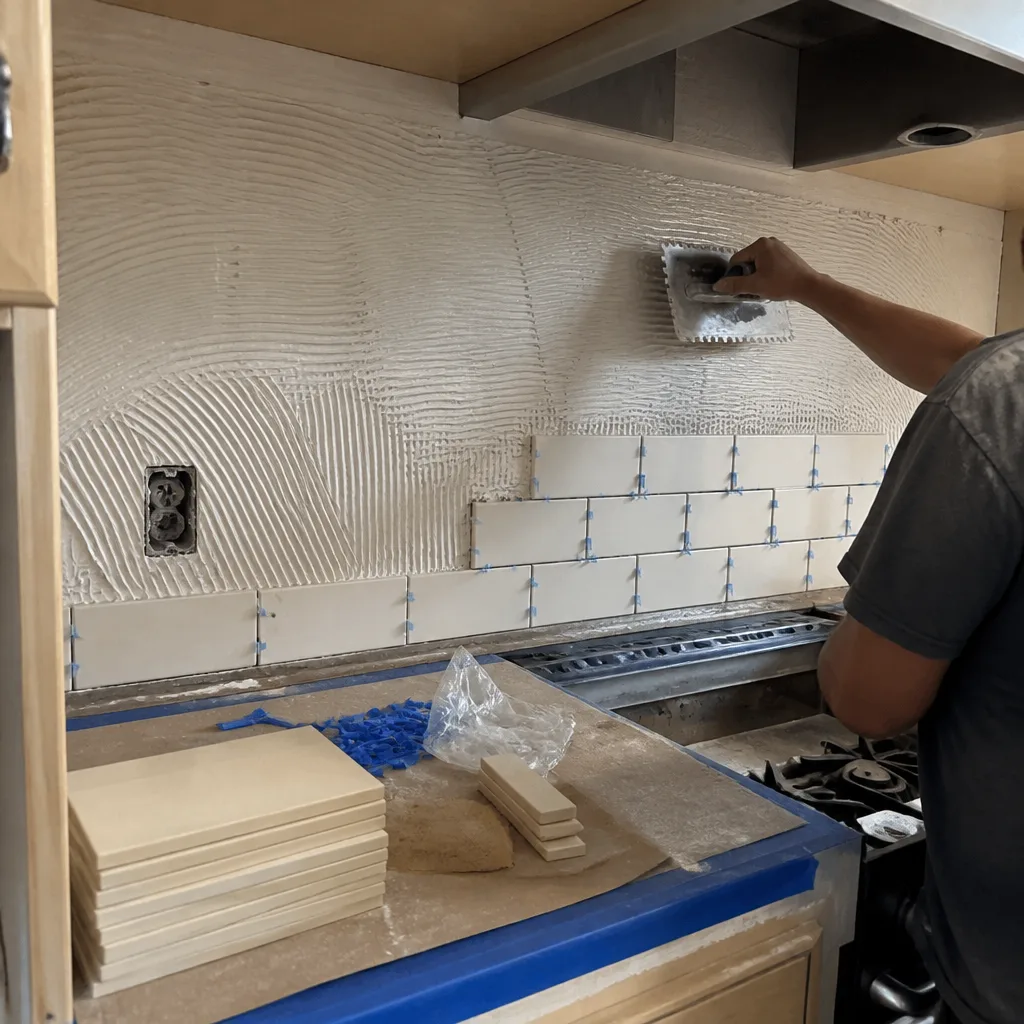
A jobsite tells you things the contract cannot. What you observe during a pre-bid walk or mid-project visit often reveals more about project health than any document.
Workers who cannot name the general contractor are a critical signal. California requires that subcontractors working under a general contractor be properly licensed and insured, with the general carrying workers’ compensation or a valid exemption. When we have investigated problem projects in Sherman Oaks - often cases where a homeowner first weighed DIY vs Professional Construction: The Sherman Oaks Homeowner’s Decision Guide and still chose wrong - we have found crews who believed they were working for a different company, or who were day-laborers paid in cash with no workers’ comp coverage. Ask any worker on site: “Who is your employer?” The answer should be immediate and match the license holder on your contract. Hesitation, a different company name, or “I’m just here for the day” are all problems.
Materials delivered without spec sheets or manufacturer labels indicate substitution risk. Your contract specifies Cambria quartz countertops in Brittanicca or GAF Timberline HDZ shingles in Charcoal. The delivered material should bear the manufacturer’s label with product name, lot number, and origin. Unlabeled bundles, generic packaging, or materials that “look right” but lack documentation may be seconds, gray-market imports, or entirely different products. We document every material delivery with photographs as part of our standard photo record - included, not optional - and cross-reference to the written specification before installation.
Inspections that get rescheduled repeatedly suggest either permit problems or scheduling chaos. In Los Angeles Department of Building and Safety jurisdictions, including Sherman Oaks, inspections can be booked online with 24-hour notice in most cases. A contractor who says “the inspector keeps canceling” for three consecutive weeks is likely either working without proper permits, has outstanding corrections from prior inspections, or lacks the organizational capacity to coordinate trades for inspection readiness. Request the inspection record: the city maintains a public log of scheduled, completed, and failed inspections by permit number.
Specific material brands to verify on site:
- Windows and doors: If your contract specifies PGT or CGI impact-rated windows for a hillside home in the Santa Monica Mountains foothills, verify the NFRC label and AAMA certification mark on the frame. These are required for Title 24 compliance and fire-resistant construction zones.
- Pavers and hardscape: Belgard and Techo-Bloc products carry manufacturer stamps on the pallet and individual unit markings. Unstamped concrete units may not meet the 8,000 PSI compressive strength specified for driveway loads.
- Roofing: GAF and Owens Corning shingles include date codes and plant identifiers. Shingles without these markings may be expired stock or non-warrantied gray-market products.
Jobsite organization itself is a signal. A site with material staged by trade, waste contained in designated containers, and tools stored securely indicates a contractor who manages logistics. A site with materials scattered across the driveway, open trenches unmarked after hours, and no posted emergency contacts indicates operational slippage that typically extends to quality control.
Contract Language That Shifts Risk Onto You
Vague scope descriptions are the most common contract defect we review in competitor estimates. “Remodel kitchen” is not a scope. “Install cabinets” without brand, line, finish, and hardware specification is not a scope. The contract must describe what will be done with sufficient specificity that a third party could evaluate whether it was completed.
Specific language to reject:
- “Allowances” without unit pricing: An “allowance” of $8,000 for countertops sounds precise. It is not. Without unit pricing ($/square foot installed), the contractor controls material selection to fit the allowance rather than your preference. If you select a material at $95/sf and the allowance assumed $45/sf, you pay the difference - but the contract gave you no basis to evaluate that assumption. We specify allowances with unit pricing and brand alternatives: “Cambria quartz, Brittanicca or equivalent, $78/sf installed, 35 sf = $2,730.”
- “Contractor’s discretion” or “as directed by contractor”: These clauses transfer design and quality decisions to the party with the least incentive to maximize them. A proper contract specifies decisions the homeowner makes (fixture selection, paint color) and decisions the contractor makes within defined parameters (fastener type per engineering spec, installation method per manufacturer).
- Waiver of lien rights before work is complete: California law permits mechanics liens for unpaid work. A clause requiring the homeowner to waive lien rights or sign a lien release before final payment and inspection is coercive and potentially unenforceable. The proper sequence: work complete, inspection passed, final payment, then lien release.
- “Time is of the essence” without defined cure periods: This clause, properly used, sets a project timeline with consequences for delay. Improperly used, it allows the contractor to terminate the contract and keep the deposit for minor delays caused by permit backlogs or homeowner decisions - both common in Sherman Oaks where LADBS permit review can extend 8-12 weeks for hillside projects.
Change order language is equally critical. California requires written change orders for any contract modification exceeding $500. The change order must describe the changed work, the price change, and the effect on the completion date. A contract that says “changes will be billed at cost plus 15%” without requiring a signed change order before work proceeds creates the conditions for dispute. The homeowner returns from vacation to find a $4,000 “unforeseen condition” charge with no prior discussion.
Under The Haven Standard, no work proceeds on a change until the change order is signed. This is the administrative discipline Haven acquired Rowan for, and the reason our projects finish within a few percent of the number the customer agreed to. The signed change order is not bureaucracy. It is the documented agreement that prevents “he said, she said” litigation.
The Documentation Pattern That Precedes Most Payment Disputes
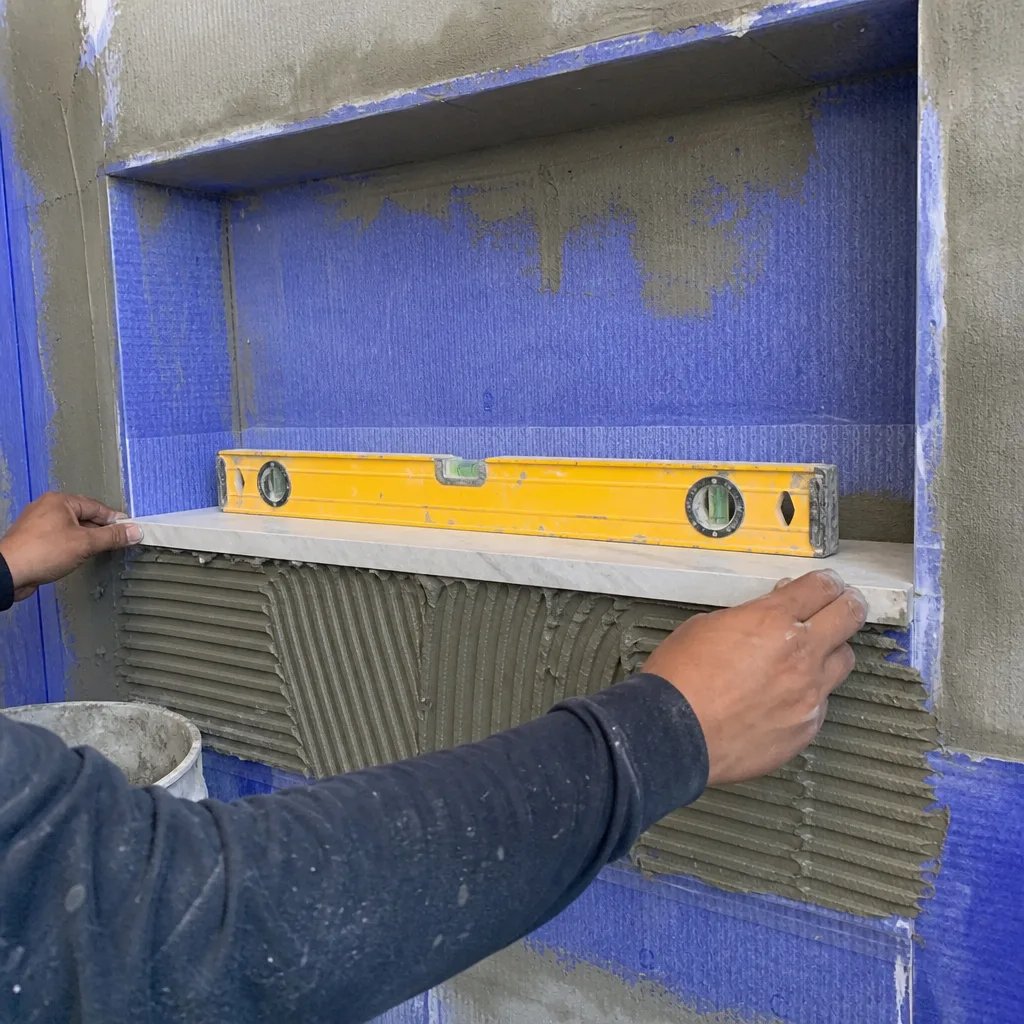
Most payment disputes do not begin with fraud. They begin with documentation gaps that allow divergent memories to become irreconcilable positions.
The typical pattern:
- Homeowner and contractor discuss a change verbally at the jobsite
- Contractor performs the changed work without a written change order
- Invoice arrives with the change priced differently than the homeowner understood
- Homeowner disputes the amount; contractor asserts the work was authorized
- Neither party can produce contemporaneous documentation of the agreement
- Relationship deteriorates; final payment is withheld; mechanics lien is filed
This pattern is preventable. The documentation that eliminates it is not elaborate. It is consistent.
Required documentation on every project:
- Written contract with line-item scope: Every element of work described with sufficient specificity for third-party evaluation
- Signed change orders before changed work: Not after, not concurrent - before. The discipline of stopping work to document the agreement prevents 90% of payment disputes.
- Photo record of conditions and completed work: Date-stamped photographs of pre-existing conditions, concealed conditions discovered during work, and completed installations. This is standard on every Rowan visit, included not optional.
- Inspection sign-offs: City inspector approvals for each trade inspection, retained by the homeowner with the final permit card
- Final lien release: Conditional release with final payment, unconditional release after clearing period
In Sherman Oaks, where many homes date to the 1940s-1960s and conceal conditions are common - galvanized plumbing behind original tile, ungrounded wiring in walls, non-compliant hillside footings - the photo record is particularly valuable. A homeowner who receives 150+ dated photographs documenting the condition of walls before closure has evidence that prevents “you must have done that” disputes after drywall covers the work.
Our documented photo record on every visit is not a marketing differentiator. It is the operational standard that makes our 365-Day Done Right Promise enforceable. If it is not done right, we make it right - backed by The Haven Standard, not a handshake - and the photo record establishes the baseline for “right.”
Sherman Oaks-Specific Risks: Hillside Codes, Expansive Soil, and Permit Delays
Sherman Oaks presents construction conditions that amplify the consequences of contractor warning signs. Understanding these local factors helps homeowners evaluate whether a contractor’s proposals account for them.
Hillside Ordinance and Grading Requirements
Properties north of Ventura Boulevard and in the foothills of the Santa Monica Mountains fall under LADBS Hillside Ordinance requirements. Any construction involving grading, retaining walls, or structural modification requires geotechnical investigation and engineered plans. A contractor who proposes to “just pour a little extra concrete” for a foundation without soils reports is proposing code violation. The Hillside Ordinance exists because these slopes have documented instability; the 1994 Northridge earthquake produced significant hillside failures in this area. Proper engineering adds cost upfront and prevents catastrophic loss later.
Expansive Soil Conditions
Much of the San Fernando Valley, including Sherman Oaks, overlays expansive clay soils that swell when wet and shrink when dry. Foundation design must account for this movement through proper drainage, pier-and-grade-beam construction, or post-tensioned slabs. A contractor who does not discuss soil conditions for a room addition or Bathroom Remodeling in Sherman Oaks involving foundation work is either unaware of local conditions or assuming you won’t ask. Ask. The answer should reference geotechnical reports, not “we’ve never had a problem.”
Permit Timeline Reality
LADBS permit review for standard residential projects in Sherman Oaks currently runs 6-10 weeks for plan check, with hillside or structural projects extending to 14-18 weeks. A contractor who promises permit approval in “two weeks” is either misinformed or planning to start without permits. Neither is acceptable. The proper contractor sets realistic expectations, submits complete plans, and communicates permit status without prompting.
Fire-Resistant Construction Zones
Properties in the Very High Fire Hazard Severity Zone (VHFHSZ), including portions of Sherman Oaks adjacent to the Santa Monica Mountains, require Chapter 7A fire-resistant materials for exterior construction. This affects roofing, siding, windows, and decking materials. PGT and CGI windows with appropriate fire ratings, GAF Class A fire-rated shingles, and non-combustible decking are not upgrades. They are code requirements. A contractor proposing standard materials for a VHFHSZ property is proposing non-compliant work.
Neighborhood-Specific Considerations
In Longridge Estates and Mulholland Park, homeowners’ associations impose additional design review requirements beyond city code. A contractor who has not reviewed CC&Rs before bidding does not understand the project scope. In the Sherman Oaks Flat area south of Ventura, older homes with original clay sewer lines present replacement challenges that should be discussed before bathroom or kitchen work begins. These are not obscure details. They are the conditions that separate a contractor who works in Sherman Oaks from one who works near Sherman Oaks.
Common Mistakes to Avoid
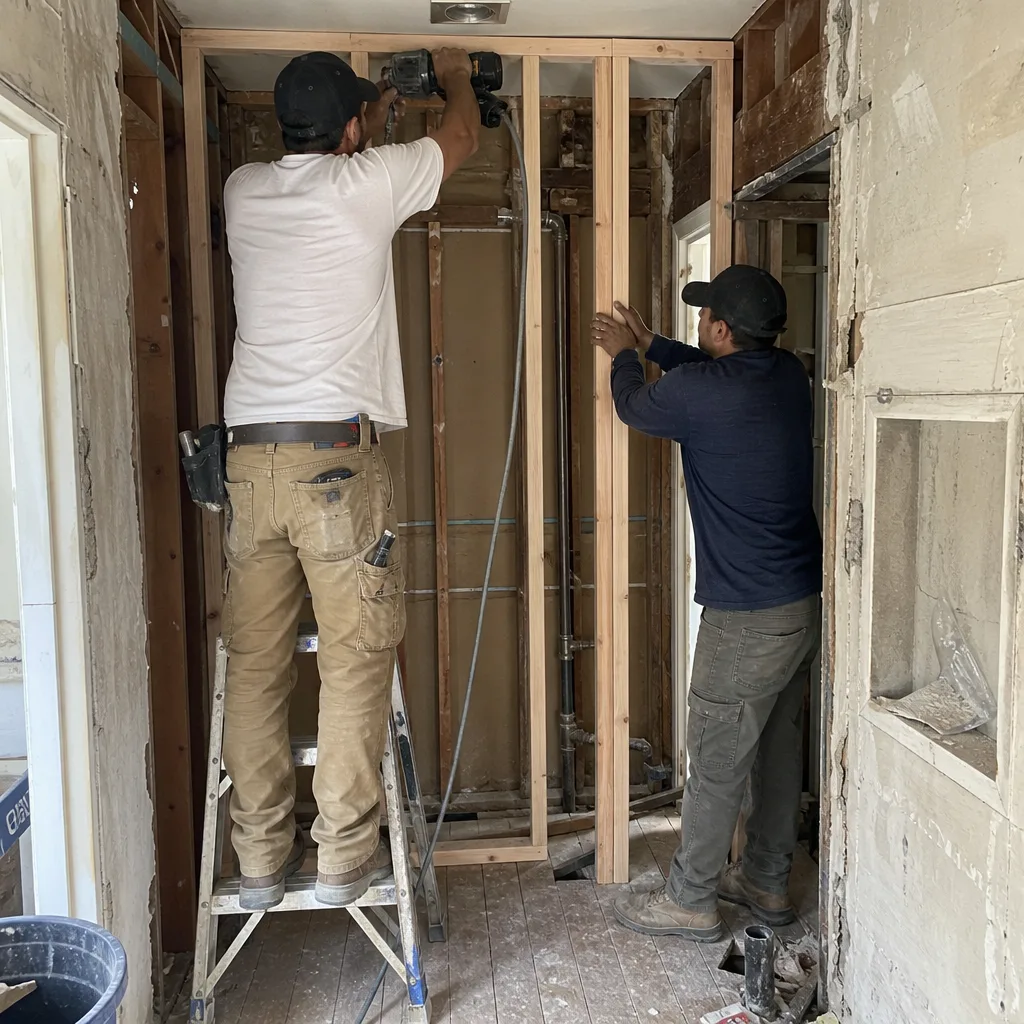
- Accepting a “verbal estimate” as sufficient for decision-making. California requires written contracts for home improvement work exceeding $500. A verbal estimate cannot be enforced, cannot be compared, and cannot be verified against the final invoice. Demand the written price before any work starts.
- Checking the license once and never again. License status changes. A contractor who was clear when you signed may be suspended when work starts. Verify status at contract signing and again before the first progress payment.
- Paying the final installment before the final inspection passes. This reverses the leverage that ensures completion. The proper sequence is inspection, payment, lien release - never payment, inspection, hope.
- Ignoring the “who pulls permits” question. In Sherman Oaks, permit responsibility affects timeline, liability, and insurance coverage. A contractor who shifts permit pulling to the homeowner without explicit contract language is creating gaps in responsibility that emerge only when problems occur.
- Comparing bids without line-item scope alignment. A $45,000 kitchen bid and a $62,000 kitchen bid are not comparable without understanding what each includes. Material brands, appliance allowances, permit costs, and demolition scope must match before price comparison is meaningful. Our Free Second Opinion service reviews competitor estimates line by line to identify these mismatches.
- Assuming a “licensed and insured” claim is current. Ask for the certificate of insurance with you named as additional insured, and verify the license directly with CSLB. Claims are easy; verification takes two minutes.
- Neglecting to document pre-existing conditions. In Sherman Oaks’ older housing stock, pre-existing cracks, settling, or water damage are common. Without dated photographs, contractors can attribute new damage to old conditions, and vice versa. Photo documentation protects both parties.
When to Call a Professional
Call a licensed contractor when you observe structural cracks wider than 1/4 inch, water intrusion that has persisted through multiple rain events, or any contractor behavior described in this guide: excessive deposit requests, missing contract elements, workers who cannot identify their employer, or materials that lack manufacturer documentation. These conditions do not improve with observation.
Rowan Construction Group Sherman Oaks offers free estimates in Sherman Oaks and the surrounding San Fernando Valley. Every estimate is a written price with line-item scope, delivered before any work starts, backed by our 365-Day Done Right Promise and the documented discipline of The Haven Standard. Call (213) 221-0788 to schedule your free estimate, or bring any competitor’s written quote for our Free Second Opinion review.
Frequently Asked Questions
California law limits deposits to $1,000 or 10% of the contract price, whichever is less, for projects requiring a contractor license. A contractor requesting more is violating Business and Professions Code Section 7159. Call (213) 221-0788 for a written estimate with a compliant payment schedule - estimates are free.
Visit cslb.ca.gov, select “Check a License,” and enter the seven-digit license number. Verify the status reads “Clear,” the license class matches the work proposed, and no disciplinary actions are pending. Do this at contract signing and again before the first progress payment.
An allowance is a budget line item for materials or fixtures not yet selected. It becomes risky when the contract omits unit pricing ($/square foot, $/fixture), allowing the contractor to control selection to fit the budget rather than your preference. Demand unit pricing and brand alternatives for every allowance.
No. LADBS requires permits for structural, electrical, plumbing, and mechanical work. Work without permits is subject to stop-work orders, double permit fees, and potential demolition orders. A contractor proposing to “save time” by skipping permits is proposing illegal work that jeopardizes your insurance coverage and resale value.
Refuse. The proper payment structure ties progress payments to inspection milestones, not calendar dates or contractor requests. Under The Haven Standard, our payment schedule specifies the inspection that triggers each payment, and no final payment is due until the final inspection passes.
We document the condition with dated photographs, prepare a written change order describing the finding, the required remedy, and the price impact, and obtain your signature before any additional work proceeds. No work proceeds on a change until the change order is signed - this is the discipline that has kept our projects within a few percent of the agreed price across 4,000-plus jobs since 2007.
The Bottom Line
Construction warning signs are not intuition. They are observable, verifiable conditions: deposit requests that exceed California’s legal limit, contracts missing required elements, license statuses that are not “Clear,” workers who cannot name their employer, materials without documentation, and payment structures that decouple money from verified value. In Sherman Oaks, where hillside codes, expansive soils, and fire-resistant construction requirements add complexity, these warning signs carry higher stakes. The homeowner who knows the specific rules - Section 7159’s deposit limit, the CSLB lookup procedure, the inspection-milestone payment structure - can evaluate contractors with evidence rather than anxiety. Documentation is not bureaucratic overhead. It is the mechanism that prevents the conditions for dispute from forming, and the foundation of any enforceable promise.
Written by Grant Rowan, Owner at Rowan Construction Group Sherman Oaks, serving Sherman Oaks since 2007.